

Natural Silk Filling: Why it's Ideal for a Thermoregulating Silk Duvet
When choosing a natural filling for a duvet or other padded bedding items, for products such as silk duvet and custom duvet, attention often focuses on technical factors such as weight, size, loft, or seasonality.
In reality, the main factor that determines the overnight comfort of a double duvet is the filling's ability to naturally, intelligently, and dynamically manage heat and humidity, regardless of room temperature.
For this reason, a high-performing filling should do more than simply keep you warm. It should also absorb body moisture, stabilize temperature, and help maintain a dry, comfortable sleep microclimate.
To understand why some materials feel more comfortable than others, in addition to considering the concept of comfort and thermophysiological comfort, it helps to introduce a fundamental scientific principle: the heat of sorption, which is the heat a fiber generate when it absorbs moisture.
In this article, we explain, why natural silk filling is one of the most advanced material for creating a breathable, thermoregulating silk duvet for bedding, ensuring more stable comfort throughout the night.
What is heat of sorption and why does it matter for a duvet?
Heat of sorption is the amount of thermal energy that a fiber releases when it comes into contact with water, humidity, or water vapor. Water vapor can come from the surrounding environment or be produced by the body.
Heat of sorption is tipically expressed in Joules per gram (J/g) or Joules per mole (J/mol). In technical terms, it is usefull distinguish between:
- heat of adsorption which refers to moisture binding on the suface of the fibre
- heat of absorption (sorption) which refers to moisture entering the internal structure of the fibre.
What happens when a fiber absorbs moisture?
When a fiber is in a humid environment, individual water molecules bind to the polar groups of the fiber's chemical structure.
The heat of sorption describes the energy involved in overcoming the bonding forces between water vapor and the surface of any fiber:
- Exothermic process: the material absorbs moisture, and release heat
- Endothermic process: the material releases moisture and requires energy during drying
In silk fiber, the absorption of water vapor is an exothermic process. Silk is a fiber that conveys a feeling of warmth when it absorbs water, water vapor, or humidity.
How different heat of sorption levels affect comfort?
A material with high heat of sorption:
- absorbs body moisture well
- releases heat when it becomes damp (initial warm sensation)
- maintains a stable microclimate
A material with low heat of sorption tends to manage moisture less effectively, increasing the likelihood of sweat build-up, clamminess, and unstable sleep temperature.
What makes a duvet filling truly high-performing
During sleep or moderately intense daily activity, the human body:
- generates internal heat
- releases heat to the surrounding environment
- releases moisture in the form of water vapor to help regulate body temperature
A high-performing duvet filling should work naturally and continuously, without the aid of chemical substances, across three essential functions:
- Absorb excess water vapor to maintain a balanced temperature
- Stabilize the temperature of the bed's microclimate
- Prevent moisture accumulation by releasing it externally, without creating thermal shocks.
The natural thermal regulation of the bed's microclimate is a fundamental element for the quality and depth of sleep.
Why natural silk filling performs better
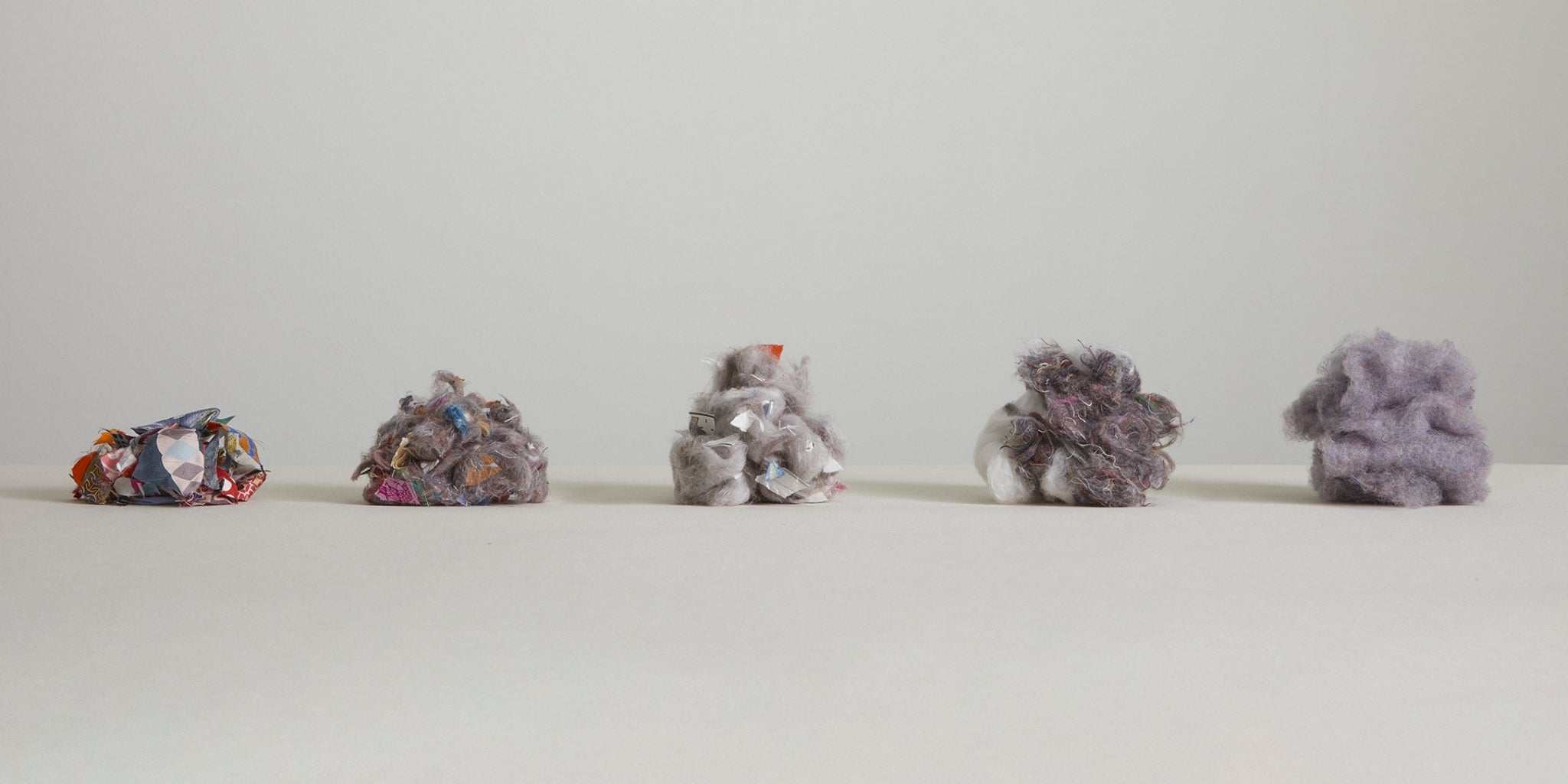
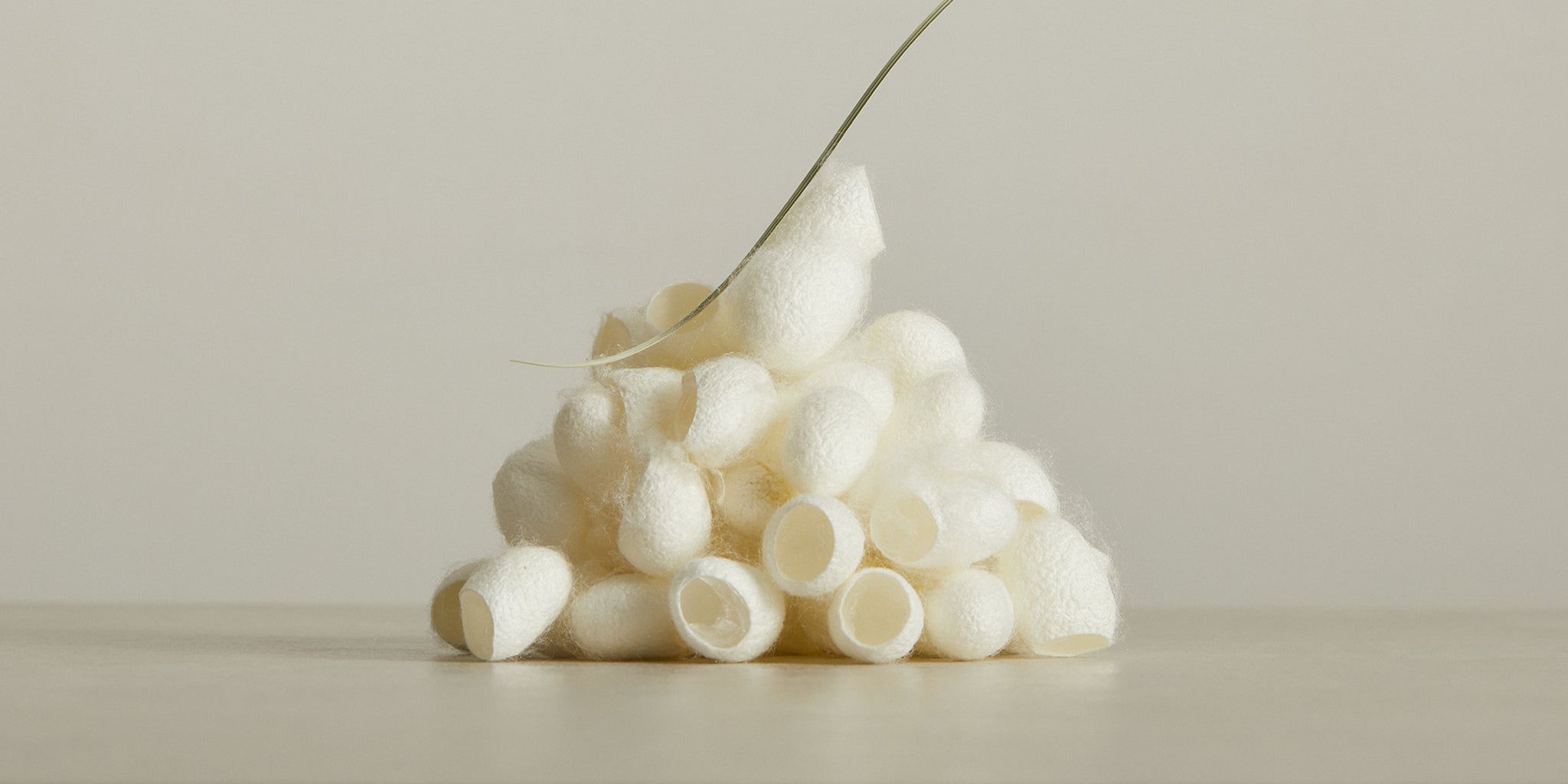
Silk is a natural textile fiber of animal origin, protein-based with a semi-crystalline structure. It is a combination of two natural proteins, sericin and fibroin. Sericin is the outer protein capable of helping regulate skin hydration levels. Fibroin is a fibrous protein, like other proteins in our body and human epidermis.
Fibroin is characterized by:
- Crystalline B-sheet region: an ordered molecular structure with a high degree of water resistance
- Amorphous areas: areas with a greater capacity to absorb moisture and the presence of polar groups

How silk absorbs moisture and water vapour
Water molecules binds to silk through hydrogen bonds (CONH– (amide), -H₂, -NOOH, –OH (side residues)) in a typical multilayer absorption:
- The first external molecular layers, where sericin is also present, have very strong bonds capable of developing high heat
- The internal layers have less strong bonds and absorb larger amounts of water
Why silk is naturally thermoregulating and comfortable
From the point of view of thermoregulation and the ability to generate heat, the water-silk process consists of three different stages:
- Stage 1 - Outer zone – high heat of sorption – heat generation
- Stage 2 - Multilayer inner zone – lower water resistance with decreasing heat generation
- Stage 3 - Deep inner zone – capillary passage into amorphous areas and release to the outside – temperature mitigation and regulation
Silk and a silk filling are capable of:
- Releasing a gentle, initial warmth as moisture is absorbed - Stage 1
- Adjusting moisture absorption to help stabilase temperature - Stage 2
- Promoting the release of excess vapor to prevent heat and moisture build-up, eliminating thermal peaks - Stage 3
Silk is a dynamic fiber that breathes and adapts, an advanced natural comfort system. Silk not only warms but also regulates. Silk filling is a natural thermoregulator.

What is the best duvet filling? Silk vs wool, down and synthetic fibres
The analysis of the heat of sorption helps to understand why silk is particularly suitable for use as filling fiber for a natural thermoregulating duvet.
Why Silk Filling Performs Better Than Standard Wadding
Standard synthetic duvet wadding, often used in the production of industrial synthetic duvets, does not offer the same dynamic moisture and teperature management as natural silk filling:
- absorbs body moisture without feeling wet
- releases heat in a balanced way
- prevents sudden thermal peaks
- maintains a stable microclimate
The comparison between silk fiber and synthetic and artificial fibers highlights numerous differences due to the raw materials used, chemical processes, pollution levels, and the release of harmful substances.
Synthetic filling vs. silk filling
Polyester is the most widely used fiber in textiles and, along with siliconized hollow fibers, also in filling. It is characterized by its low cost and ease of processing, but in addition to significant pollution problems and the release of chemical substances, polyester:
- Has a very low capacity to absorb water and water vapor
- Has no active thermal contribution, with a non-significant heat of sorption
- Retains heat mainly due to its reduced breathability, which creates a barrier effect that hinders moisture dispersion
- Creates heat and moisture accumulation, leading to bad odors and the proliferation of bacteria and mold
Inside a double duvet, the result in terms of comfort is often a persistent hot-and-clammy feeling during sleep. Synthetic filling is unsuitable if used in a duvet for those who sweat or suffer from nighttime thermal fluctuations.
Artificial fibre filling vs. natural silk filling
Artificial fibers like viscose, lyocell, modal, micromodal, and derived cellulosic fibers can absorb good volumes of moisture but exhibit:
- limited dynamic thermoregulation efficiency
- stronger initial heat peaks during moisture absorption
- cooler feel in poorly ventilated rooms
- lower structural resilience and a tendency to increase specific weight by retaining moisture
A double duvet filled with viscose, or a pillow filling made of artificial fiber, can cause a sudden increase in temperature during the absorption of water and vapor, and rapid cooling with an increase in weight and the creation of unhealthy damp areas.
Silk filling vs. wool and down duvet filling
The comparison between wool and silk for duvets is particularly interesting as it involves two protein fibers that exhibit two different behaviors. Down filling, being composed mainly of keratin, exhibits a thermo-hygrometric behavior similar to wool:
- Wool and down generally have a more intense heat of absorption compared to silk
- Generate a very intense thermal response in case of increased sweating
- Are well suited to colder environments but generally offer less balanced thermoregulation capacity
Wool and down fillings respond promptly to thermal stresses, generating heat upon contact with damp elements. The response is intense, with an excessive increase in the internal temperature of the natural duvet, potentially causing sweating. Compared to silk, they are less balanced and thermoregulating.
Duvet filling comparisation
In the comparison between different natural bed filling solutions, the analysis between silk, wool, and synthetic fibers highlights substantial differences in terms of heat of sorption and thermal comfort.
| Fiber | Absorption Capacity | Heat of Sorption | Initial Thermal Effect | Total Thermal Effect | Comfort as Filling |
| Silk | Very High | High | Constant and Active Heat | Thermoregulating | Maximum balance in every season |
| Wool | Very High | High | Intense Immediate Heat | Active Heating | Good for very low temperatures |
| Down | High | High | Intense Heat | Active Heating | Excellent for low temperatures |
| Cotton | Medium-High | Medium-Low | Medium Heat | Neutral | Good but not dynamic |
| Viscose | High | High | Intense Heat | Moderate | Moderate with increased weight |
| Polyester | Low | Very Low | Cold | No effect | Limited |
| PLA | Medium-Low | Medium-Low | Low Heat | Limited | Moderate |
What high-performance silk filling means for bedding comfort
A quality filling can make a difference in an upholstered product, especially in a double duvet, an upholstered topper, a pillow with a carefully designed pillow filling, or an upholstered quilt. In the case of natural silk, this advantage translates into:
- Winter warmth and breathability without overheating
- Spring and autumn mildness without excessive heat and high breathability
- Summer freshness without a damp sensation
Why choose a natural silk duvet
A silk duvet with natural pure silk filling from the T.SILK COLLECTION line can achieves the same comfort with lighter fill weight, improving:
- sleeping ergonomics and posture
- breathability and moisture balance
- muscle relaxation
- adaptability to the needs of every sleep phase
The quality and continuity of sleep also depend on the bedding's ability to maintain a stable thermal balance, avoiding both overheating and a damp sensation during the night.
The possibility of customizing the bed duvet with different filling grammages for various heat levels makes silk ideal for 4-season silk duvets or custom double duvets.
FAQ about silk filling, silk duvets and silk filling and heat sorption
How Does Heat of Sorption Improve Sleep Comfort?
During the night, the body goes through a series of different sleep cycles and thermal cycles. Synthetic and artificial filling react passively. Silk, on the other hand, thanks to its thermo-hygrometric behavior with intelligent and dynamic comfort:
- absorbs moisture during sweating peaks
- releases heat moderately
- maintains a natural balance
Why choose silk filling for your bed?
Choosing silk bedding with T.Silk silk filling means:
- investing in a non-polluting, sustainable, and circular natural material
- valuing comfort and performance level
- achieving superior thermal regulation
- reducing the sensation of nighttime humidity
- improving overall rest quality
Is silk filling the warmest duvet filling?
No, the strength of a silk filling is not just that it is a warm filling. Its main quality, which differentiates it from other fillings, is that it offers more balanced thermal comfort by combining warmth, breathability, and moisture management in a more dynamic way.
What is the best duvet for night sweats?
For those who sweat at night, for example due to hormonal changes, heated environments or poorly ventilated microclimates, the best duvet is one with a highly breathable and thermoregulating natural filling, capable of managing heat and humidity simultaneously without causing accumulation.
A silk duvet with natural silk filling is particularly suitable because the silk protein fiber has a high hygroscopic capacity and dynamic thermo-hygrometric behavior. Thanks to the heat of sorption mechanism, silk absorbs humidity, releasing a moderate amount of heat, without creating the "hot and wet" effect typical of other fillings such as synthetic fillings.
Can you have a custom duvet made with silk filling?
Yes. Natural silk filling allows for modulation of weight and thermal capacity, making it ideal for creating a custom-made duvet. It is possible to adapt to specific climatic or physiological needs by adjusting the heat sorption based on heat requirements. The SetinoDuo custom duvet creates two distinct zones in a single bed duvet with two different filling and warmth solutions.
Is a silk duvet better than a down duvet?
It depends on the type of comfort you desire and the environment in which you sleep.
Down is very insulating and suitable for those who want an intense feeling of warmth, especially in winter.
Silk, on the other hand, offers more balanced thermoregulation: it better manages humidity, perspiration, and temperature fluctuations.
For those looking for a more breathable, light, and stable duvet throughout the night, silk is the most suitable choice.
In our in-depth analyses, discover how the heat of sorption of silk affects different aspects of nocturnal comfort and well-being.
The natural thermoregulating duvet and heat of sorption
The concept of heat of sorption scientifically demonstrates what is immediately perceptible when using and sleeping under a natural thermoregulating silk duvet, or on a silk-filled mattress topper or resting your head on a pillow filled with natural silk.
T.Silk filling is an advanced natural silk filling, capable of breathing with the body, adapting to changes, and maintaining a balanced microclimate, ideal for a customized duvet that meets different comfort needs.
Thanks to its ability to absorb humidity, modulate heat, and promote a more stable microclimate, silk represents one of the most advanced solutions for natural bed filling today.
For those looking for bedding that combines material research, naturalness, comfort, and thermoregulation, silk filling represents a choice with high technical and functional value. Within this context, T.SILK COLLECTION positions its silk bedding as a a high-value solution for technical comfort, natural breathability, and thermoregulated sleep.