

Silk bedding: history, luxury and comfort in natural silk | T.SILK COLLECTION
Truly knowing silk bedding means understanding the origin of silk as a fiber, delving into its technical excellence, performance and history, and discovering how natural silk bedding represents the evolution of comfort, luxury and well-being in the world of premium bedding.
Delving into the origins of natural silk means understanding the authentic value of Italian style and Italian silk , a symbol of elegance, sustainability and well-being that is still valued today and characterises T.SILK COLLECTION silk bedding, where natural silk bedding expresses Italian excellence, sustainability and well-being.
The history of silk and the evolution of silk bedding
The word silk has changed its original meaning over time:
- The origin of silk came from the Old English "sioloc," which traces back throught latin sericum and from the Latin sēta or saeta
- First of all, it indicated a fairly rigid bristle made up of very compact and hard animal hairs
- It has become a word associated with a natural silk filament of animal origin with an extreme shine, softness, fluffiness and flexibility.
Over the centuries, we have witnessed a semantic evolution that has highlighted a radical transition from the roughness of animal hair to the refinement of the silk fibre.
In modern language, silk identifies a fiber and a series of products that are distinguished by their elegance, glamour, softness and tactile luxury, qualities today reinterpreted and developed in the T.SILK COLLECTION silk bedding, where natural silk bedding becomes a symbol of comfort, innovation and contemporary luxury.
The T.SILK COLLECTION natural silk represents today the living legacy of ancient sustainable silk, a pure silk fiber that combines tradition, ethics and Made in Italy
The origin of silk and fibers used in silk bedding
The silk origin is linked to a more technical etymology, most likely linked to the silk fabric , from the Latin sericum and the Greek σηρικός (sērikós), which can be translated as "of the SERIOUS." Seri refers to the Seri people, who were known, at the time, as a population of Chinese origin famous for their expertise and guardians of silk production.
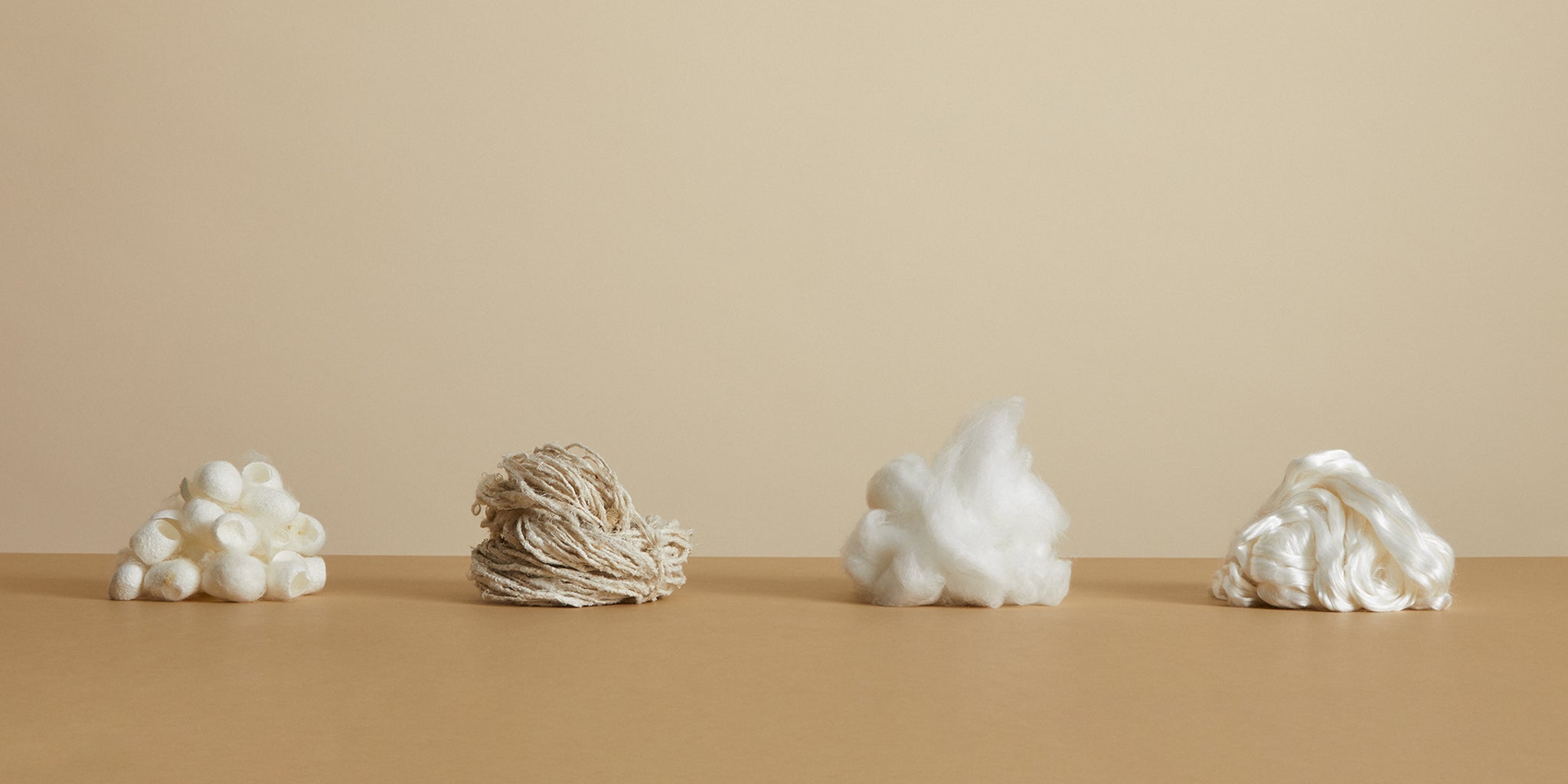
Still within the silk origin the term serico derives from sērikós and is still used today to describe the silk supply chain , the silk supply chain and silk materials and products such as the silk fibre used in T.SILK COLLECTION natural silk bedding from and the silk fibre of the pillow fillings or used to produce the T.SILK COLLECTION silk sheets .
Silk sheets, duvets, and silk bedding: legend and history
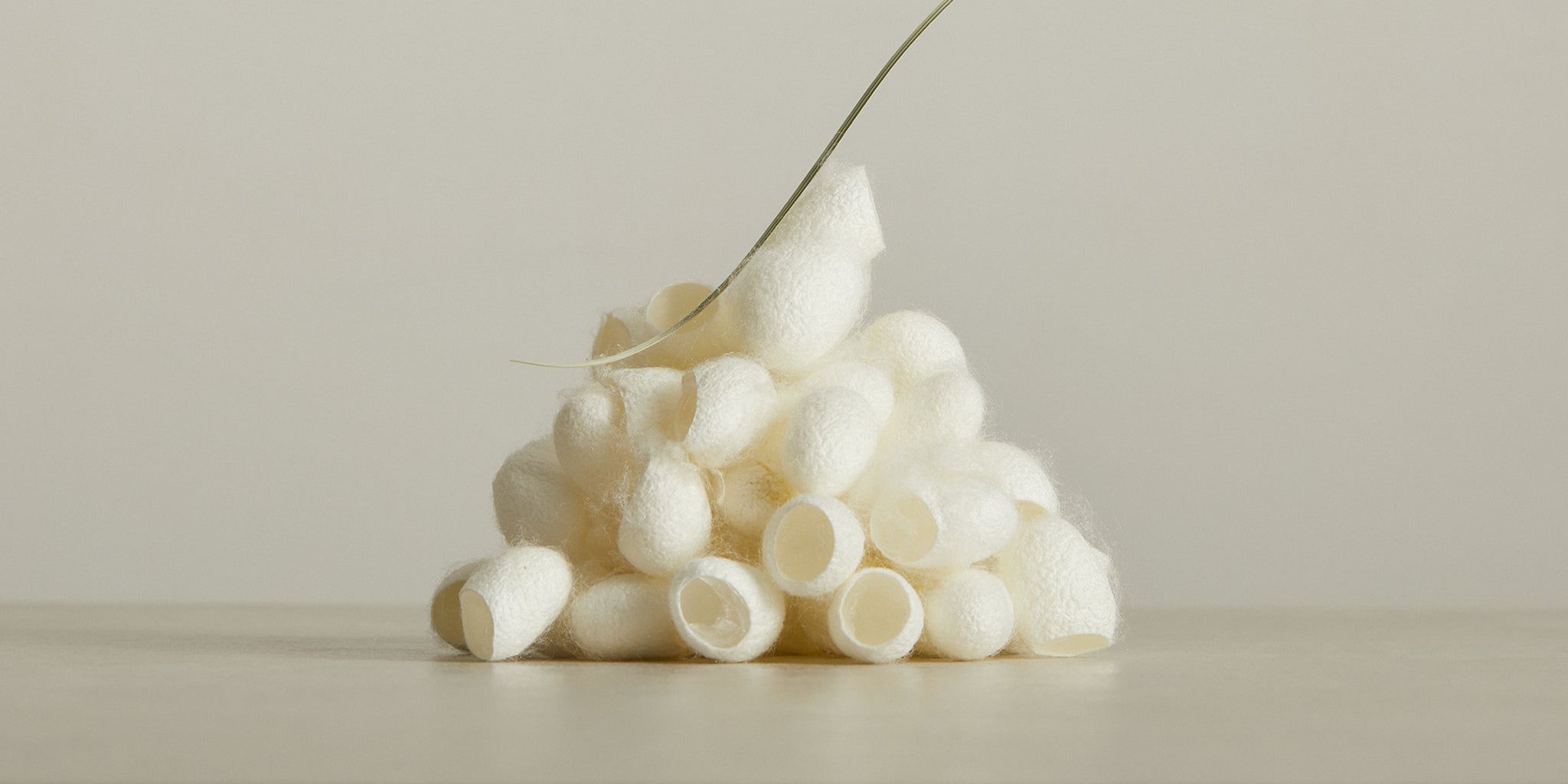
Legend has it that about 5,000 years ago, the Chinese Empress Hsi Ling Shi, wife of the Yellow Emperor (Huang Ti 2697/2597 BC), found a silk cocoon in her teacup after passing under a mulberry tree. The boiling water caused the cocoon to split open, revealing its lustrous filaments.
Silk textiles have been discovered at the Wanggou archaeological site (Henan Province). According to scholars, they date back more than 5,000 years. Archaeological finds have revealed traces of fibroin at the Jahu archaeological site in Henan, dating them back to the Neolithic period, more than 8,000 years ago.
The T.SILK COLLECTION sustainable silk embodies today the living legacy of ancient sustainable silk, a pure silk fibre that combines tradition, ethics and Made in Italy

China's Silk monopoly and the birth of the silk road
Whatever the actual origin of silk , the art of sericulture (from silk and mulberry cultivation) was an imperial secret of Chinese society from the very beginning. During the Zhou and Han dynasties, silk was explicitly declared a treasure of the emperor and the state. Those who broke this secret were sentenced to death. Sericulture remained an integral part of Chinese society for over 3,000 years.
The mythical and famous Silk Road , the network of caravans and trade that developed between China, Persia, Rome, Venice, Rome and the Mediterranean basin only developed in the 2nd century BC when the ambassador Zhang Qian opened silk to trade with the West.
It was during this phase that silk products and fabrics became a synonym of luxury, the prerogative of the most powerful social classes and an object of ostentation of power in the Roman and Byzantine courts.
From this moment on, natural silk became not only a symbol of elegance, but also the origin of a craft tradition that would culminate in the Italian silk heritage of today, such as that used in T.SILK COLLECTION silk bedding, where natural silk bedding reflects purity, traceability and Italian craftsmanship.
The diffusion of silk in the ancient and medieval world: from ancient silk origin to Italian silk tradition
Natural silk fiber became a valuable commodity for trade and even for conflict between various populations. For centuries, it remained a fiber that held many secrets: while the Chinese had begun to market finished products (fabrics), they still jealously guarded the techniques for breeding silkworms. According to some historians (Pliny the Elder), silk was actually a product obtained from cultivating the land.
The 4th-century Roman historian Ammianus Marcellinus, in attempting to define the characteristics and origins of silk , speaks of a special cultivation of the land to produce silk threads. The same historian spoke of the Seri people as those who guarded the secrets of silk.
It wasn't until the 6th century that people finally understood how silkworms were raised for cocoon production, thanks to two Byzantine monks who, legend has it, hid some silkworm eggs inside walking sticks and brought them back to the Byzantine Empire. This was the first step in the development of the silk origin industry in the West.
From Eastern tradition to Italian silk manufacturing
Italy, once a crossroads of silk trade, transformed, especially during the Middle Ages and the Renaissance, into a country whose climate (suitable for cocoon cultivation) and productive enterprise led to the production and processing of silk. A refined, luxury silk weaving mill was established.
In Florence, the Silk Guild, or Arte di Por Santa Maria, was one of the city's major guilds, one of the seven most important Major Arts, a legacy still alive in contemporary Made in Italy silk excellence .
Italian silk , the fruit of artisan mastery and handed down knowledge, continues to live on today in the T.SILK COLLECTION silk bed linen , a perfect example of natural and sustainable silk Made in Italy .
The history of the silk T.Silk by Cosetex
Towards the end of the 19th century, Silvio Mandelli, the forerunner of Cosetex, began a small business cultivating cocoons and recovering silk waste from the spinning mills in the upper Milan area. This artisanal know-how, which evolved over the following decades along with knowledge of the silk origins, lives on today in the philosophy of T.SILK COLLECTION , which combines historical silk research with modern technologies for natural silk bedding.
Cosetex bridges the authentic silk origin and modern sustainable Italian silk, promoting ethical and high-quality silk bedding.

The Technical and sensory value of silk bedding
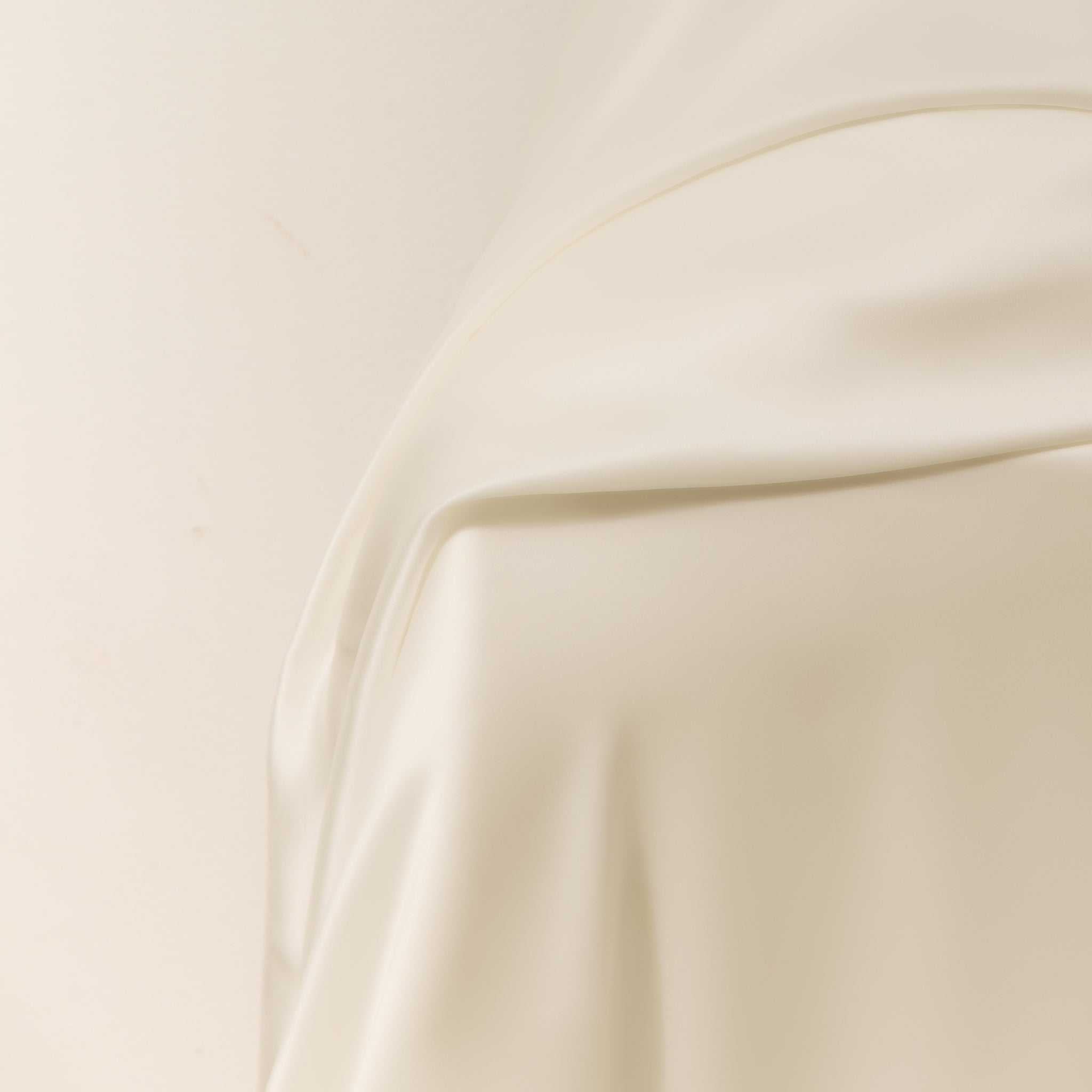
Silk fiber, once its origins is understood, retains its uniqueness and its excellent chemical and mechanical properties. Artisanal workmanship and innovation in exclusive, patented padding, ultra-resistant and ultra-soft yarns and fabrics have allowed us to achieve excellence in comfort, performance, naturalness, and well-being for body and mind. The silk used in T.SILK COLLECTION natural silk bedding offers unique benefits for high-quality bedding. making natural silk bedding the ideal choice for high-quality luxury bedding
- Regulates body temperature ( thermoregulatory effect)
- It is highly breathable and prevents moisture deposits
- It is hypoallergenic and antibacterial
- Prevents the loss of hydration from the skin and hair by caring for and promoting repair processes
- It is recommended for the care of sensitive skin and ideal for the care of all skin types.
- It offers an unparalleled feeling of softness and lightness
- It allows for real respect for the environment and promotes the reduction of CO2
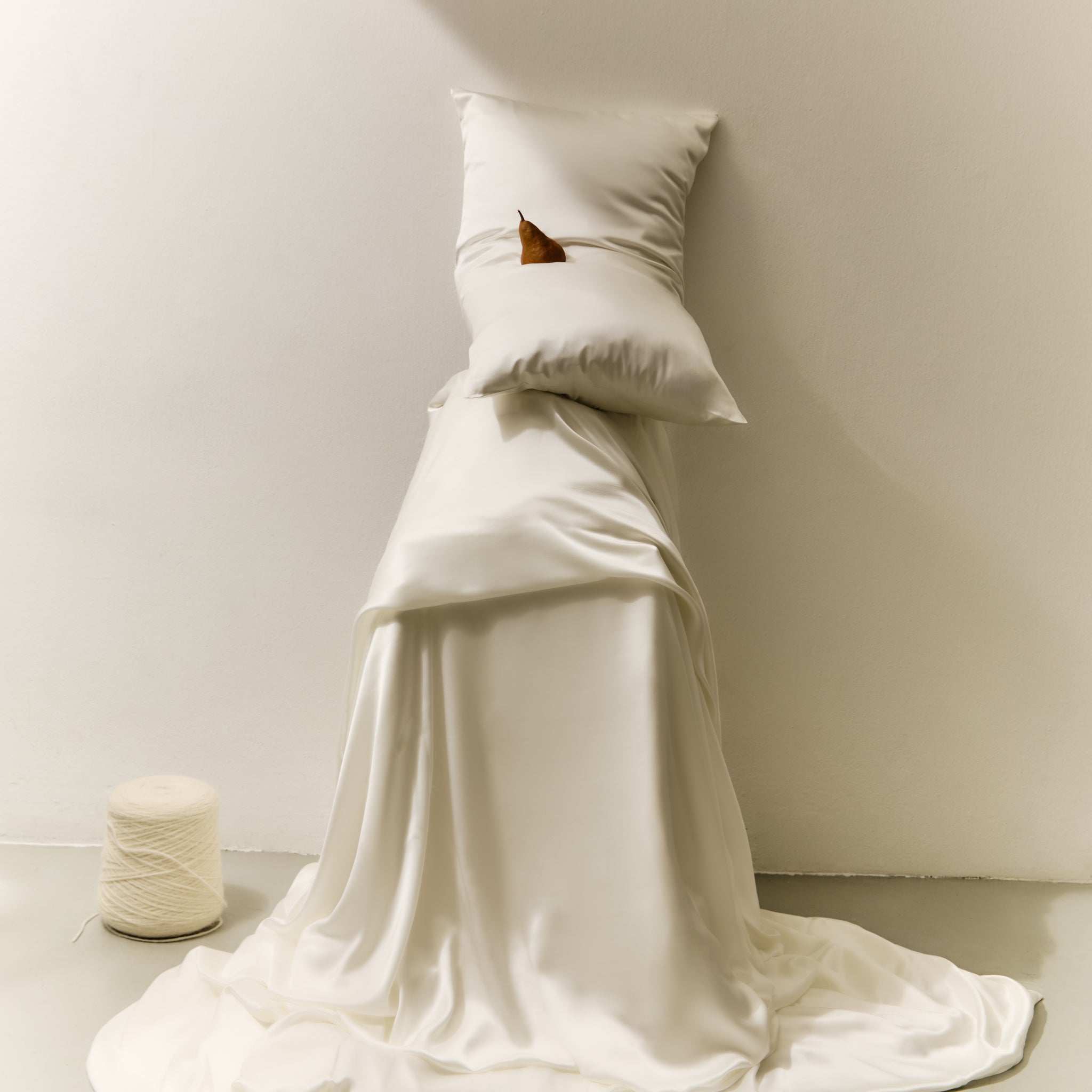
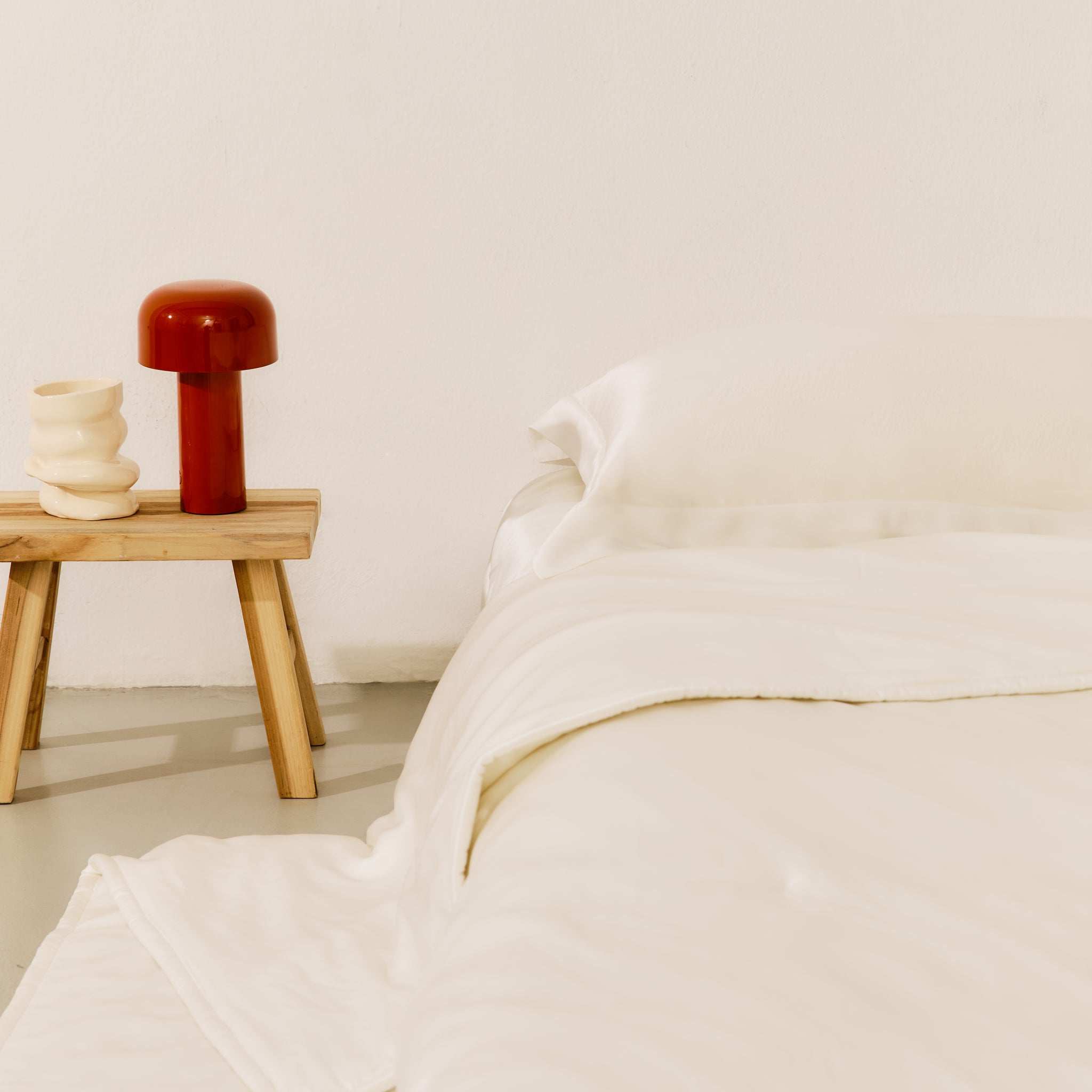
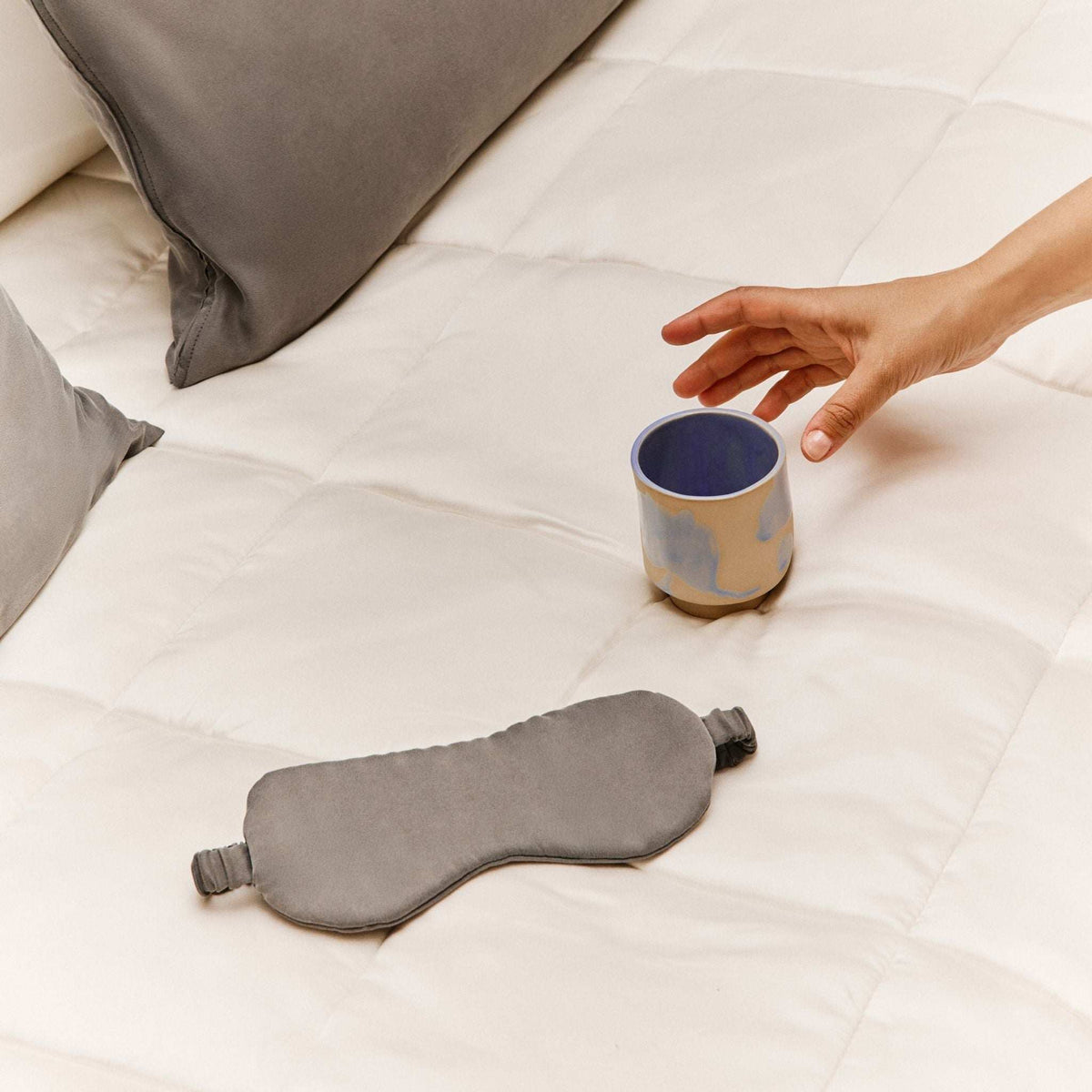
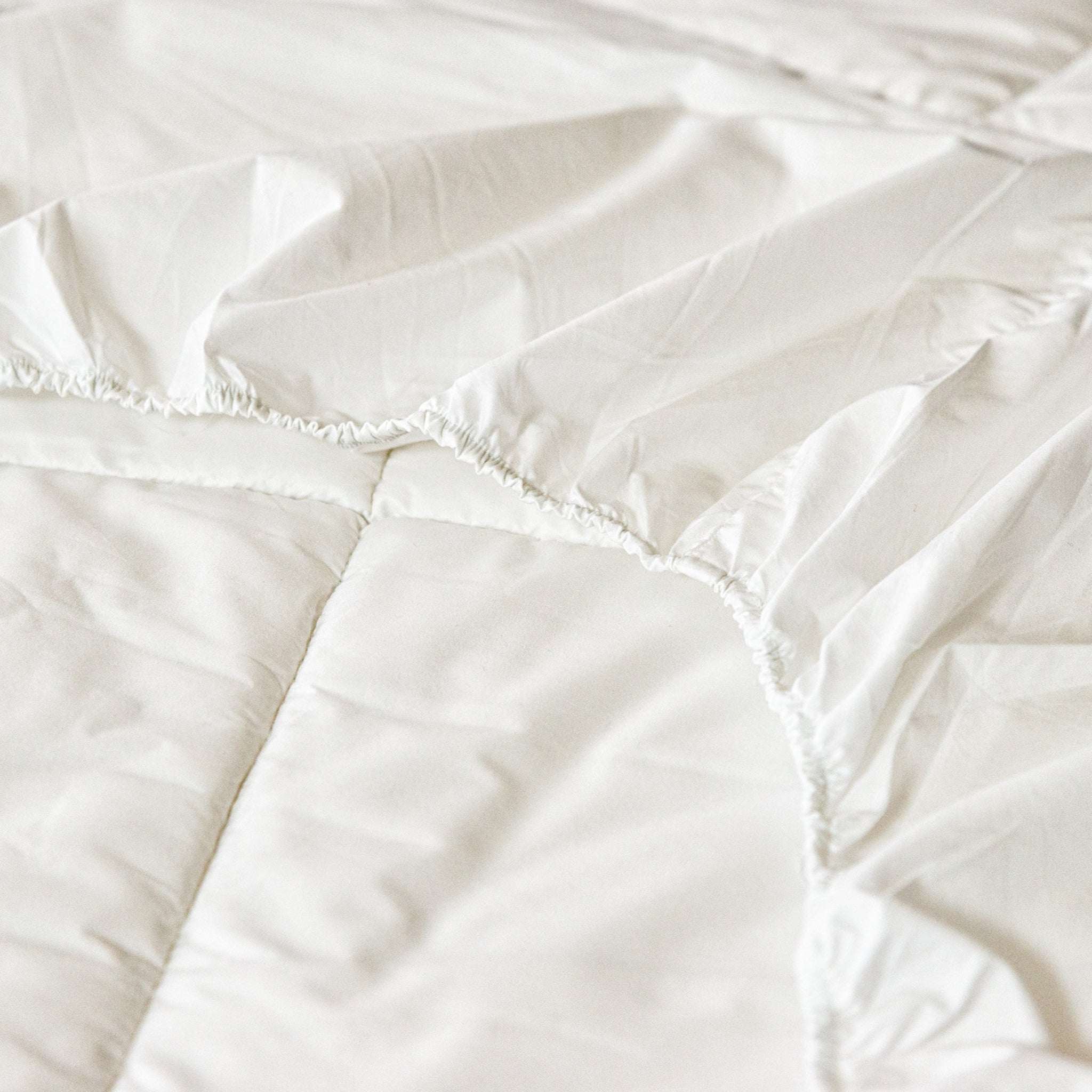
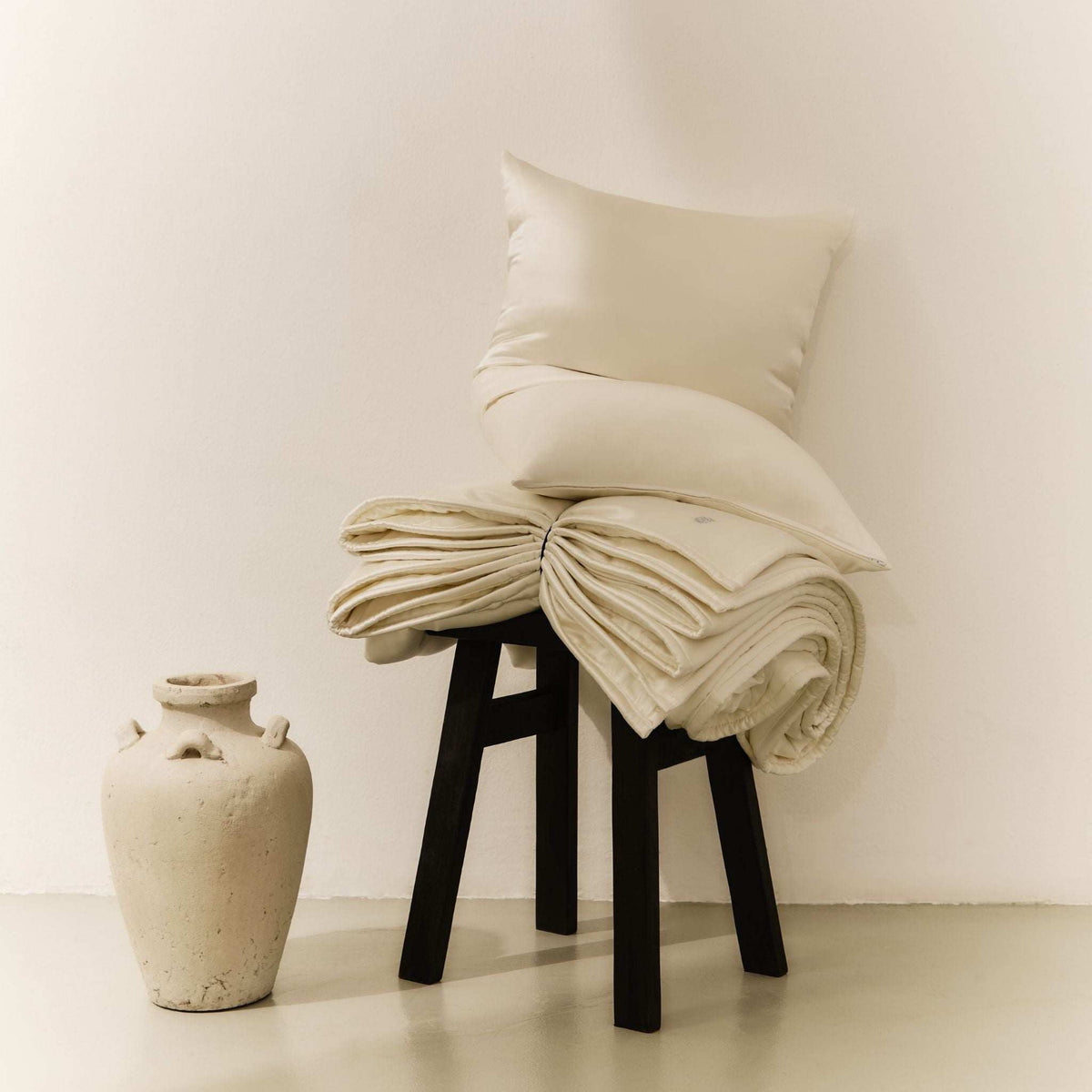
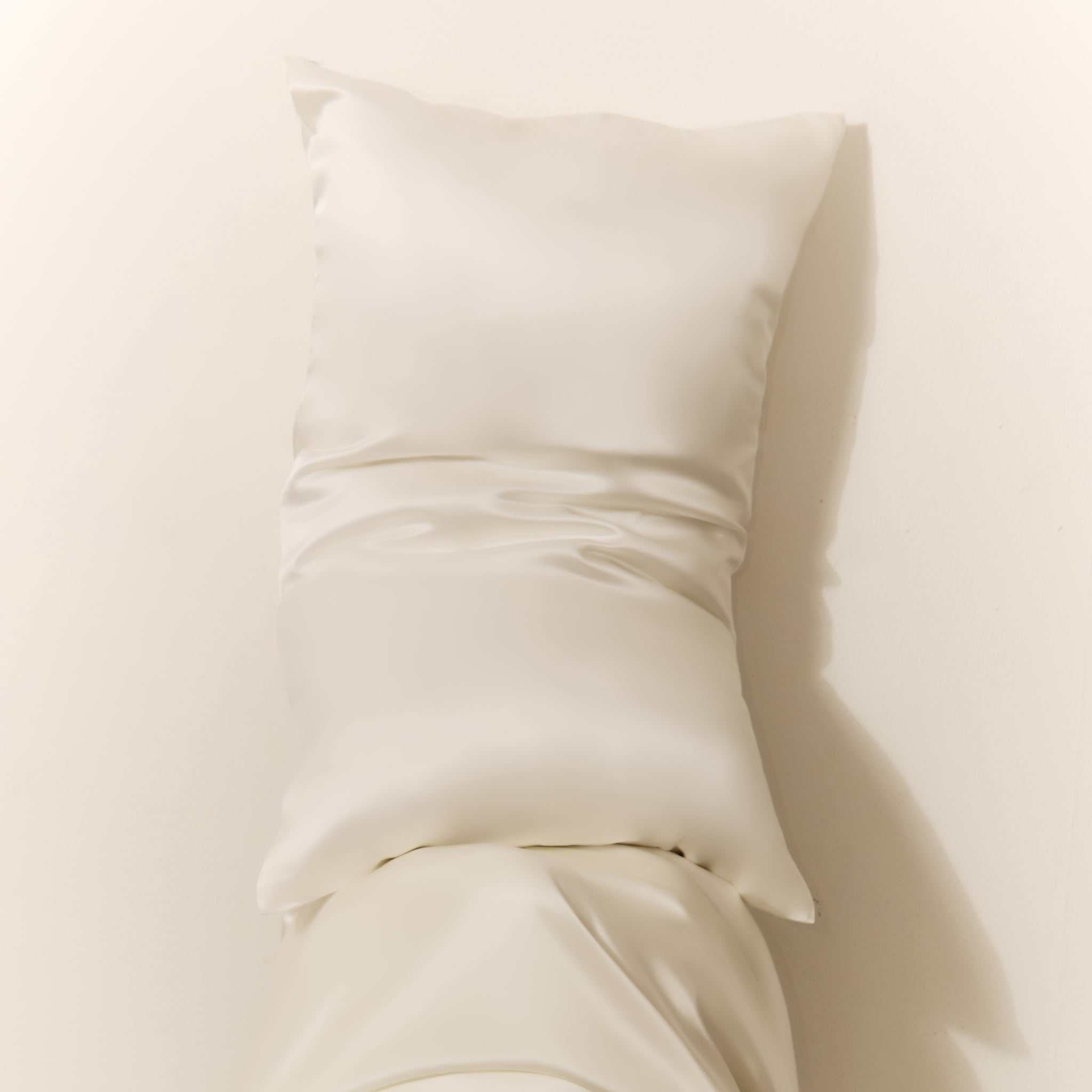
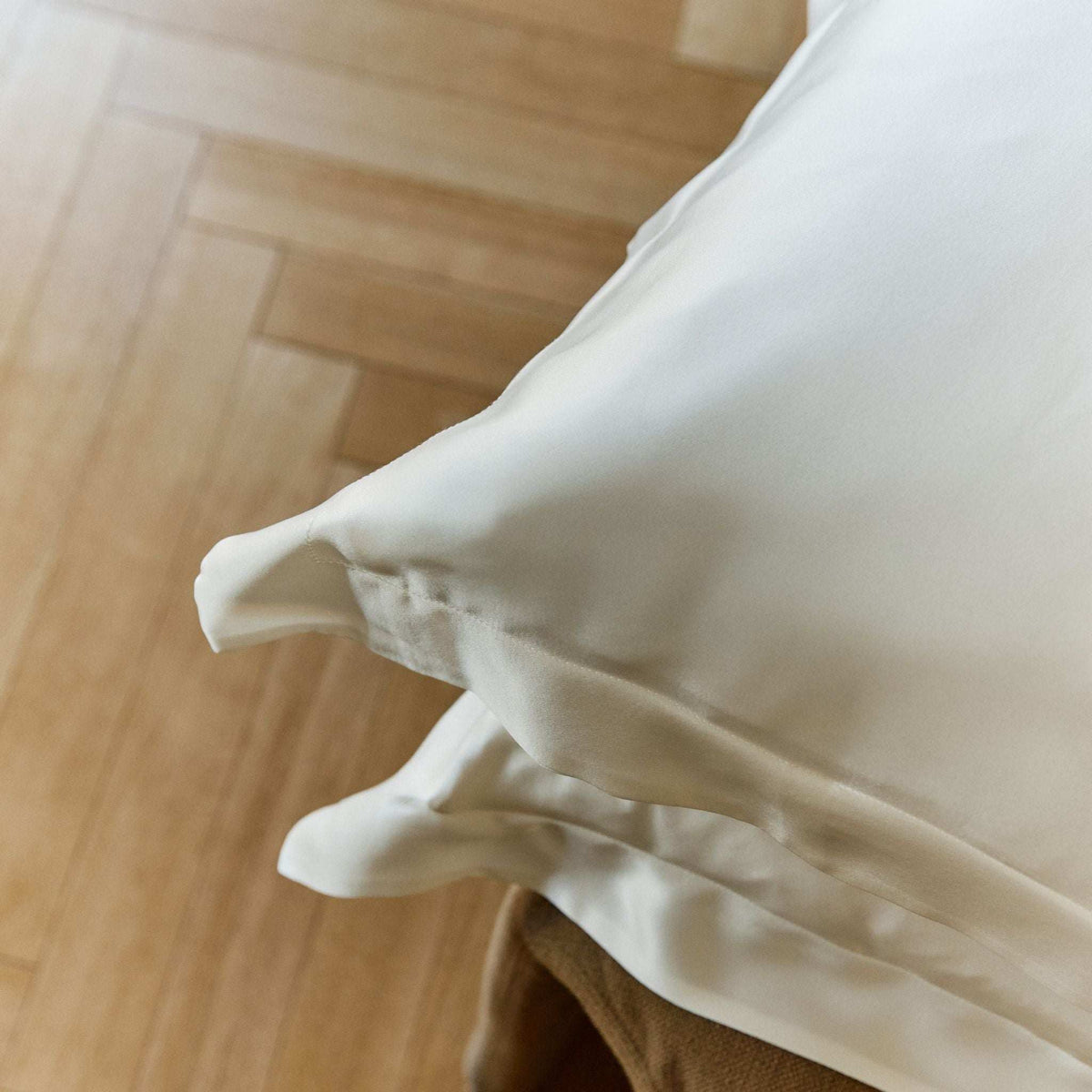
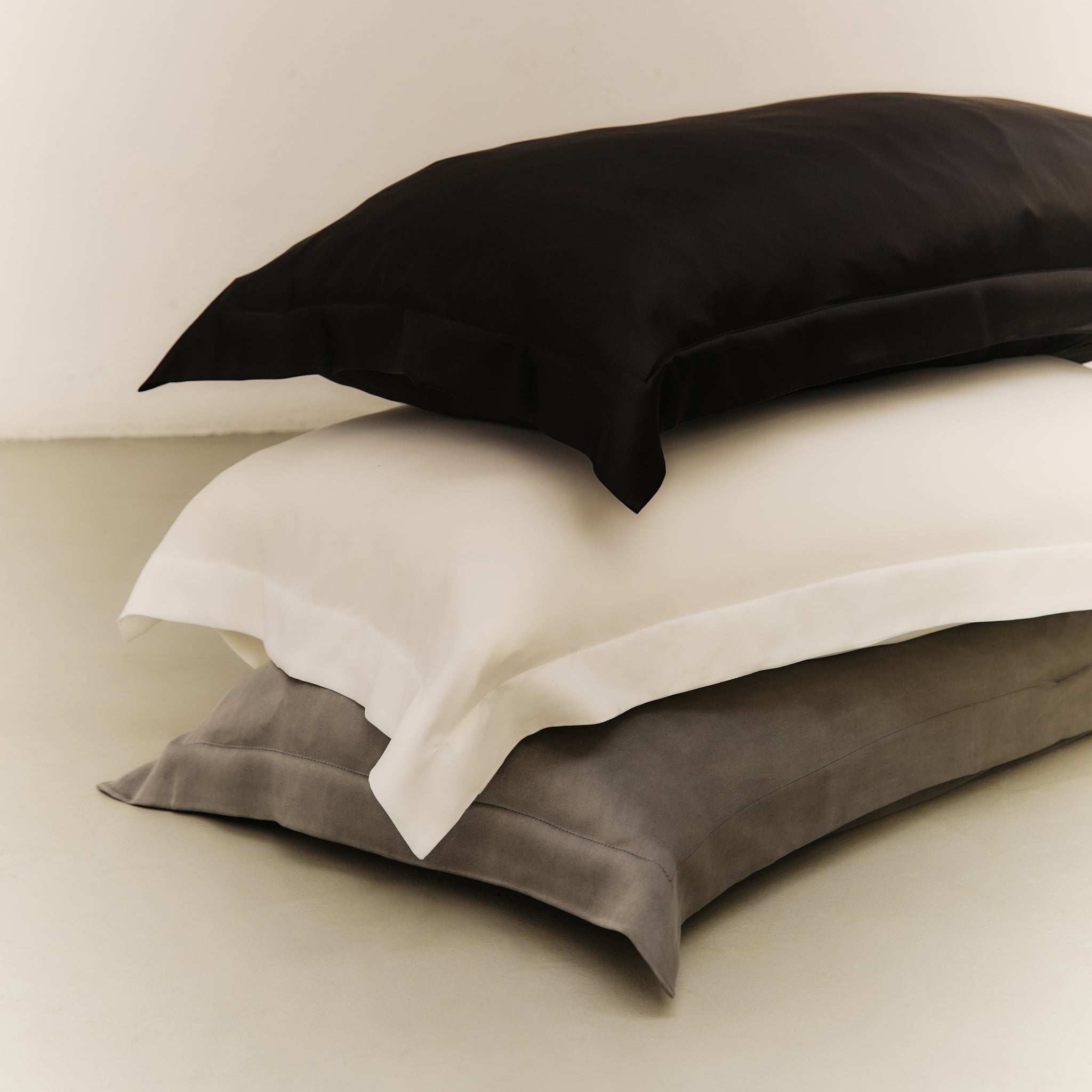
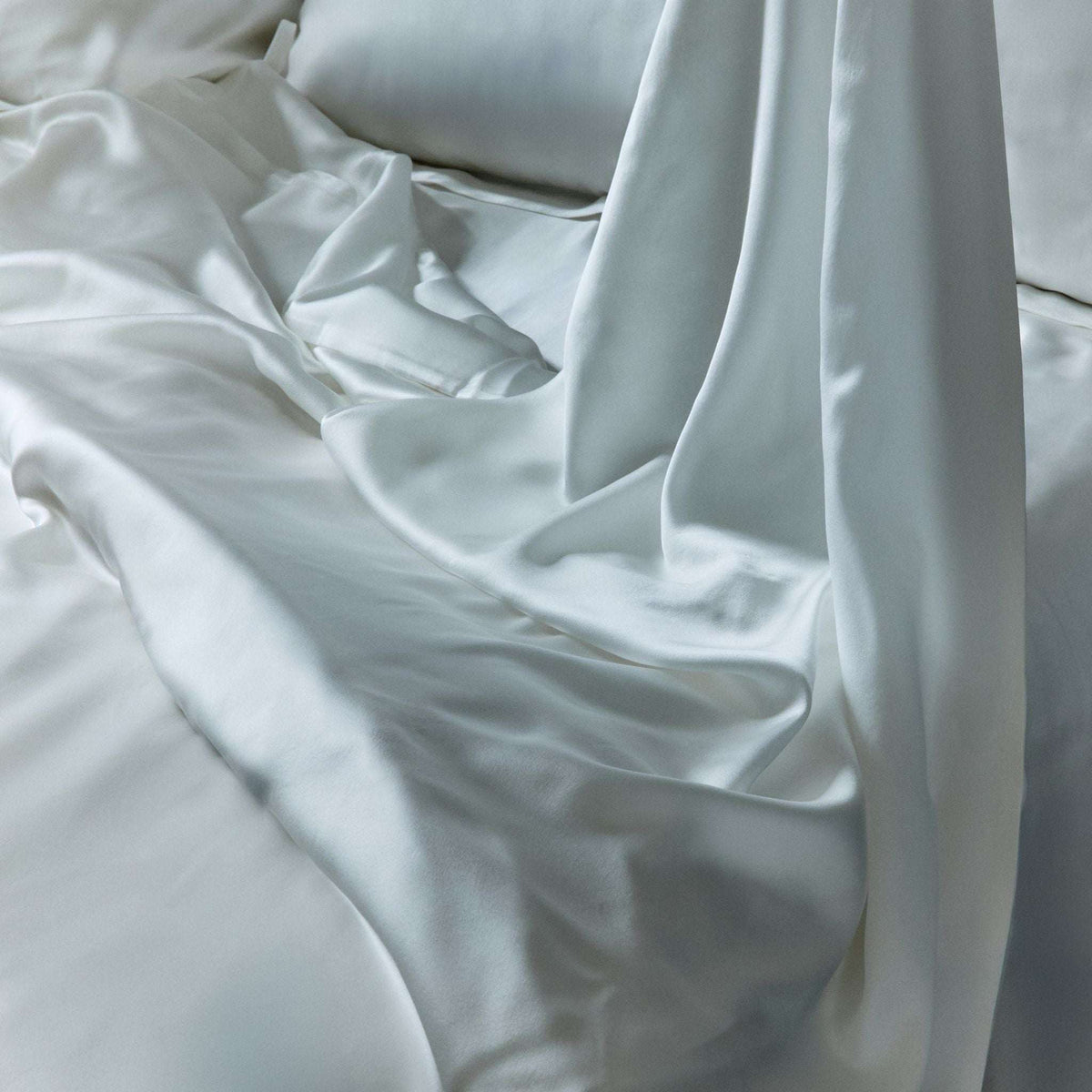
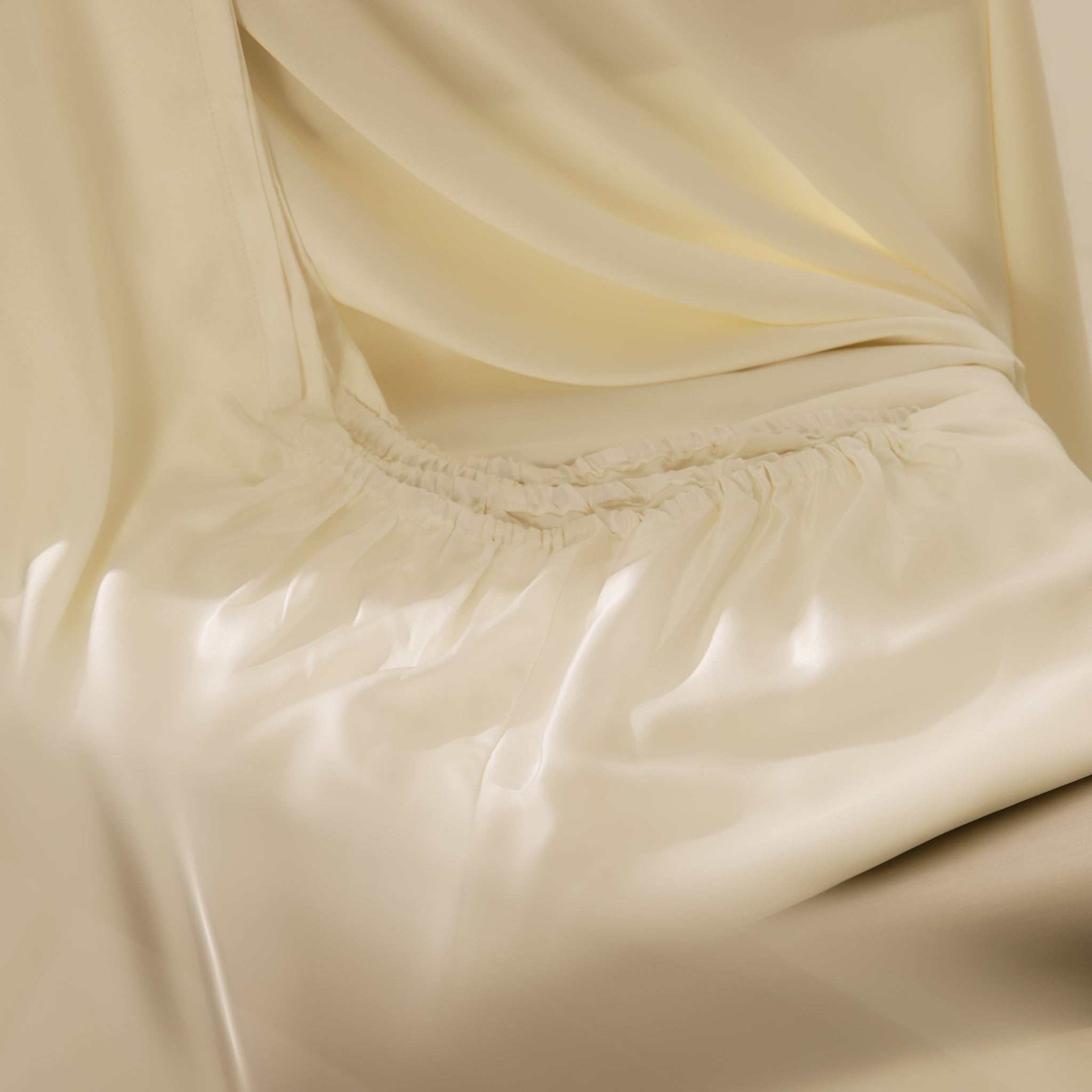
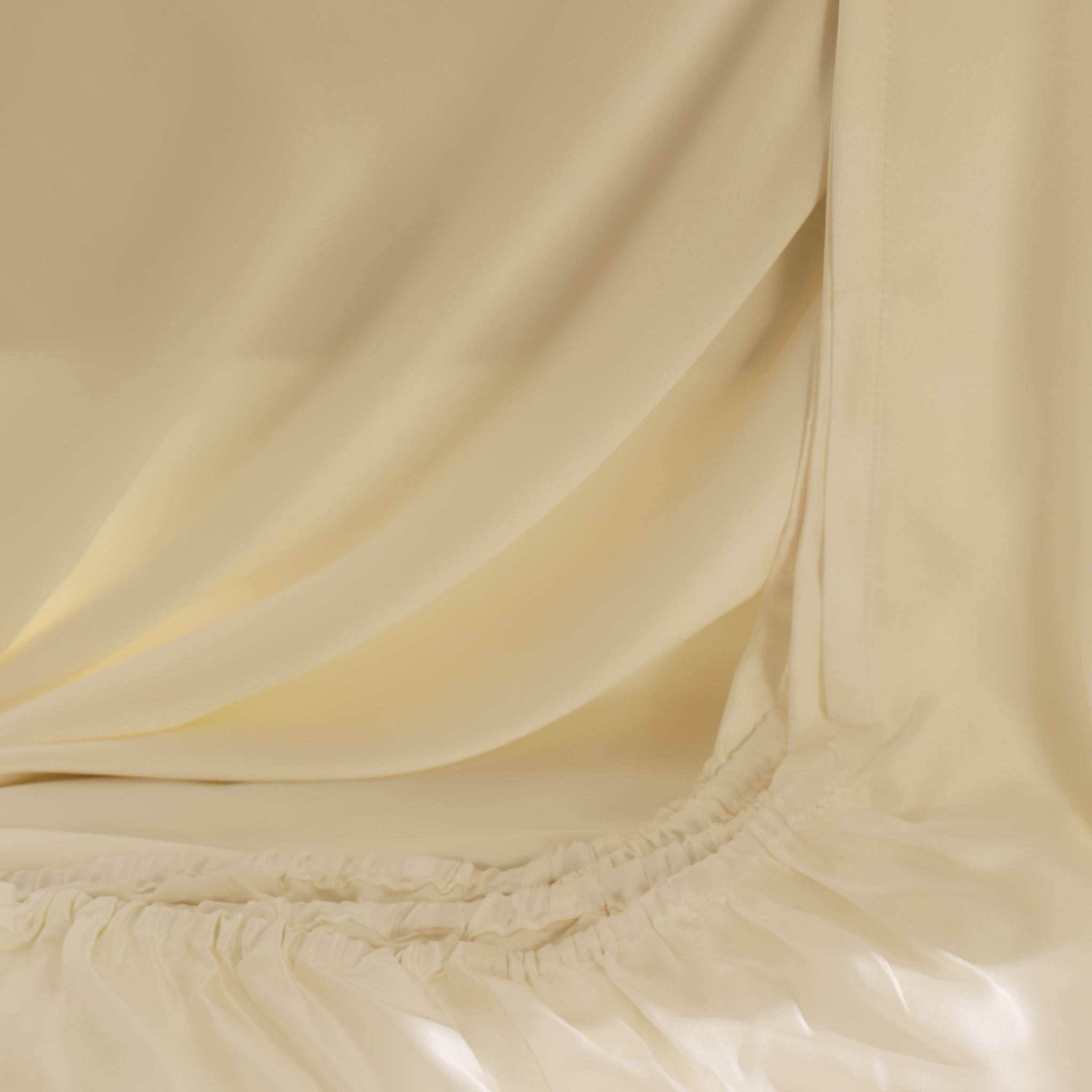
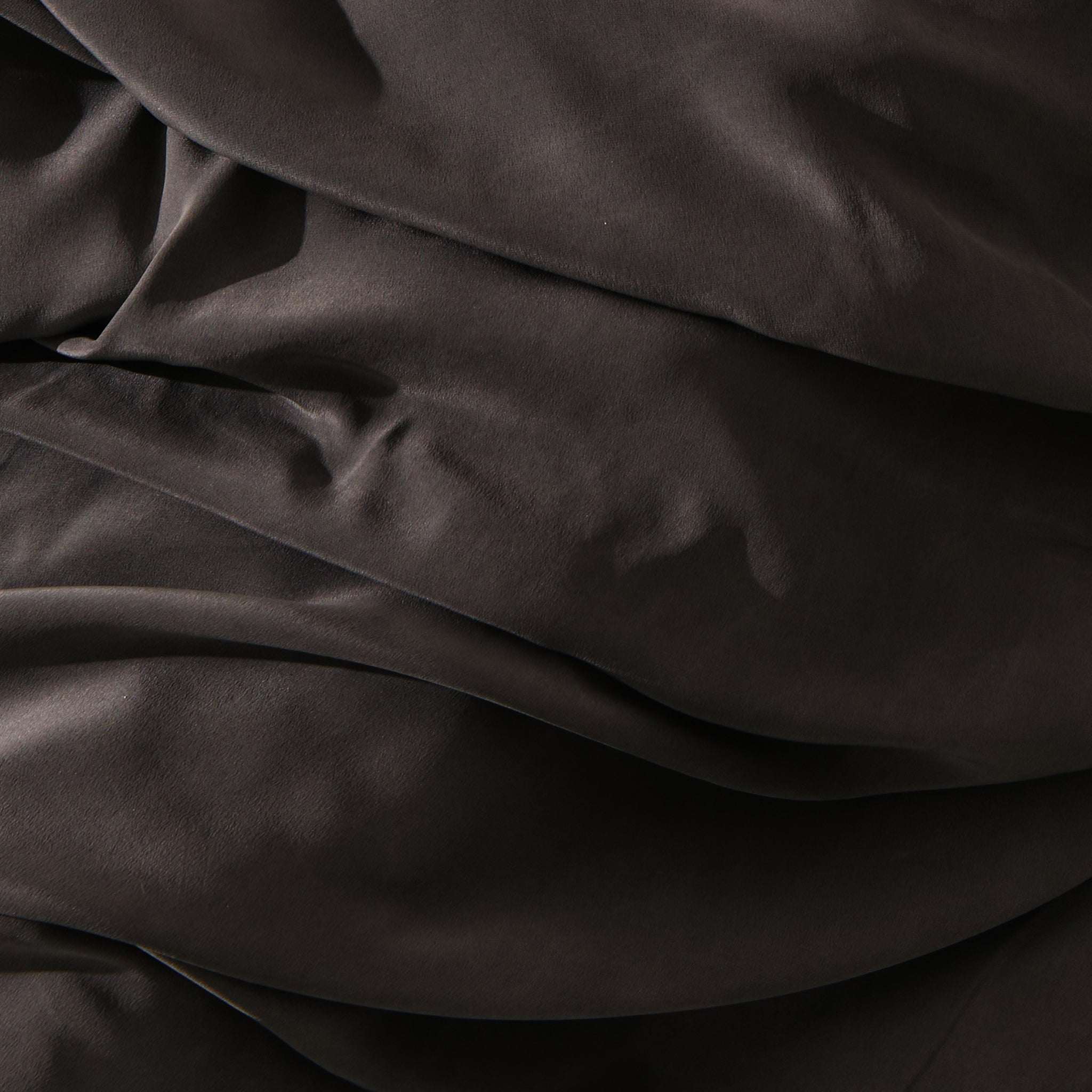
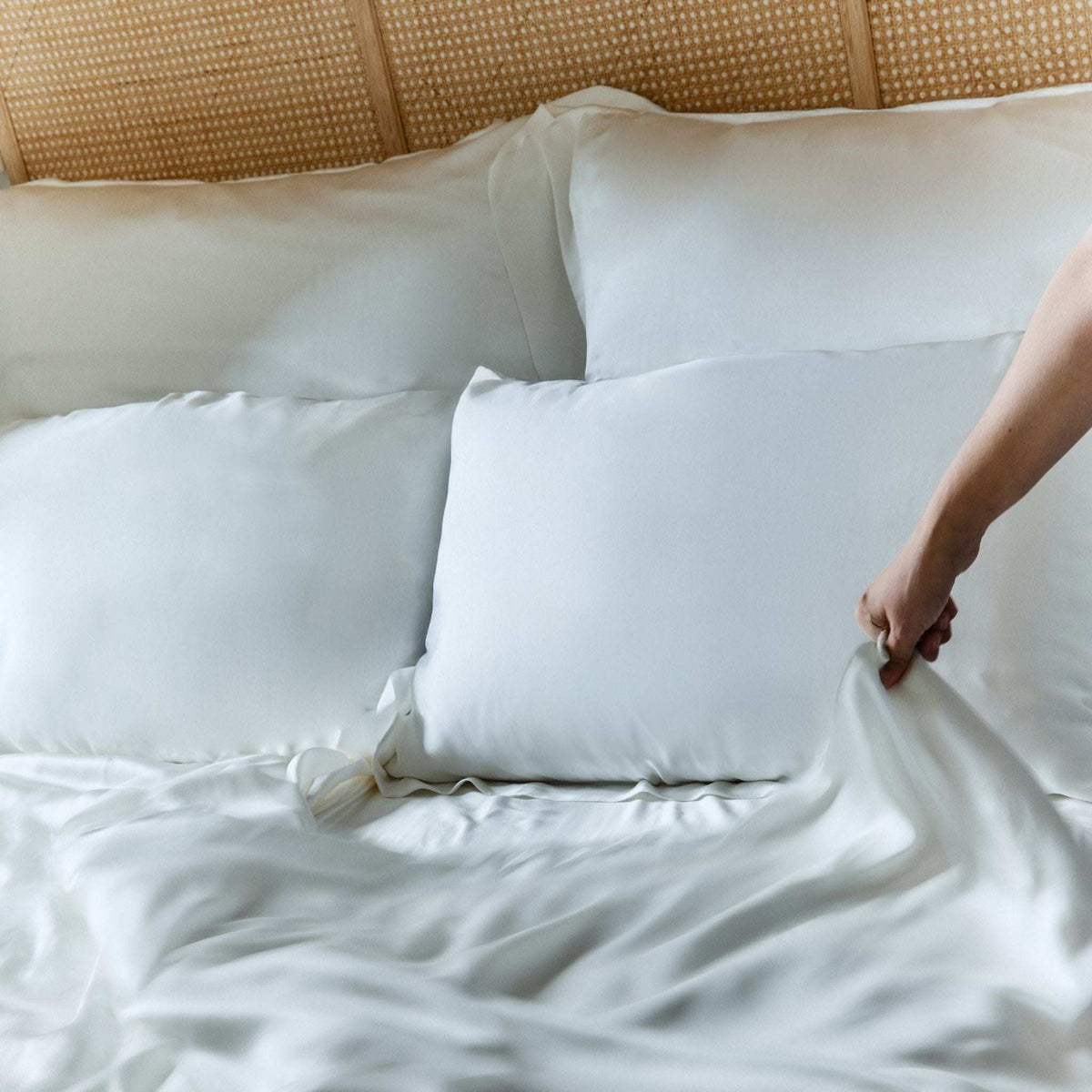
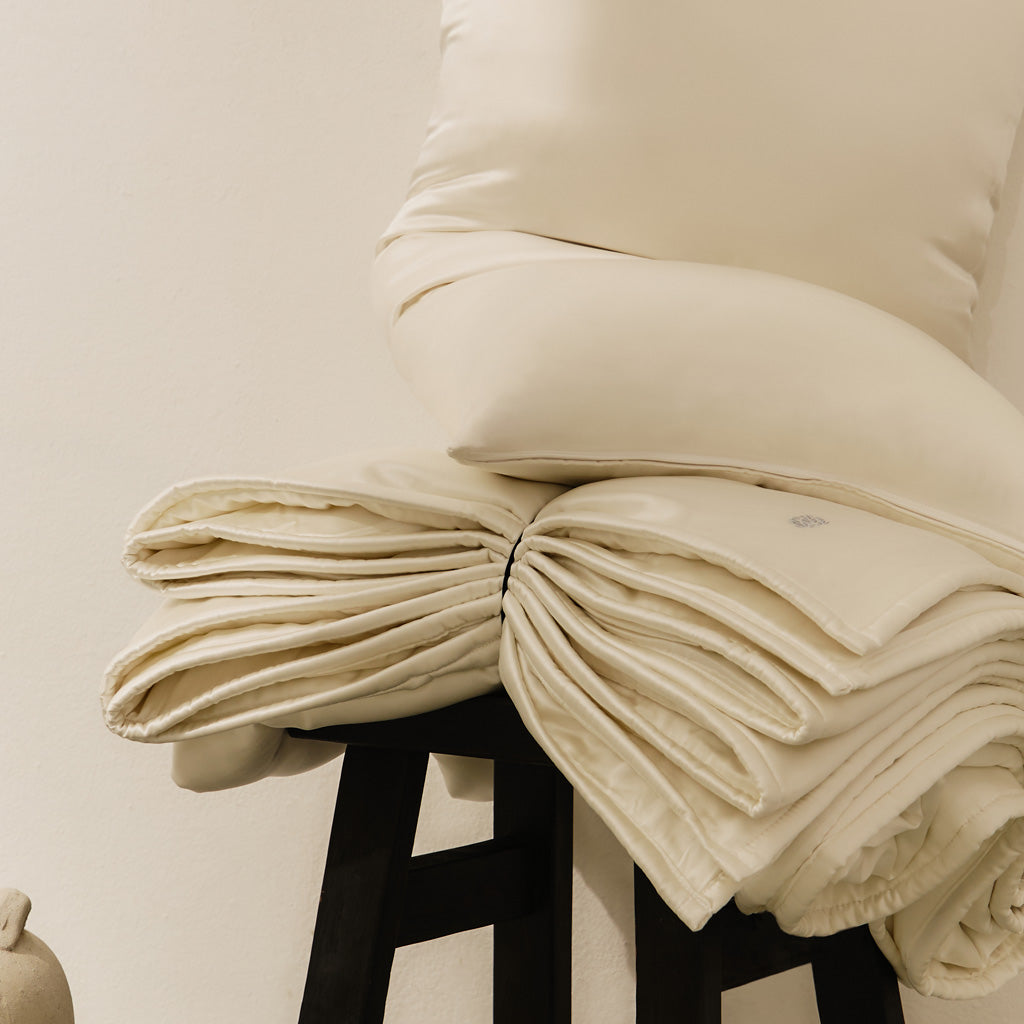
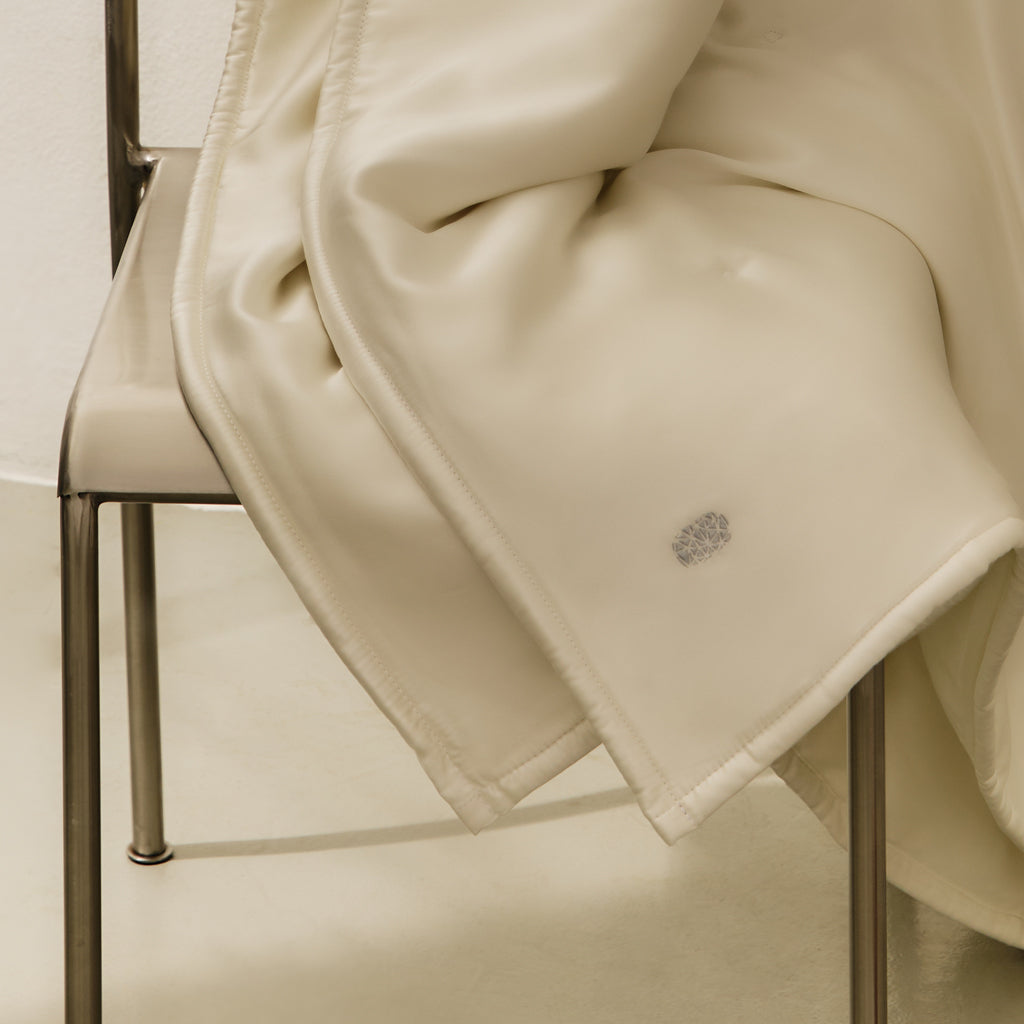
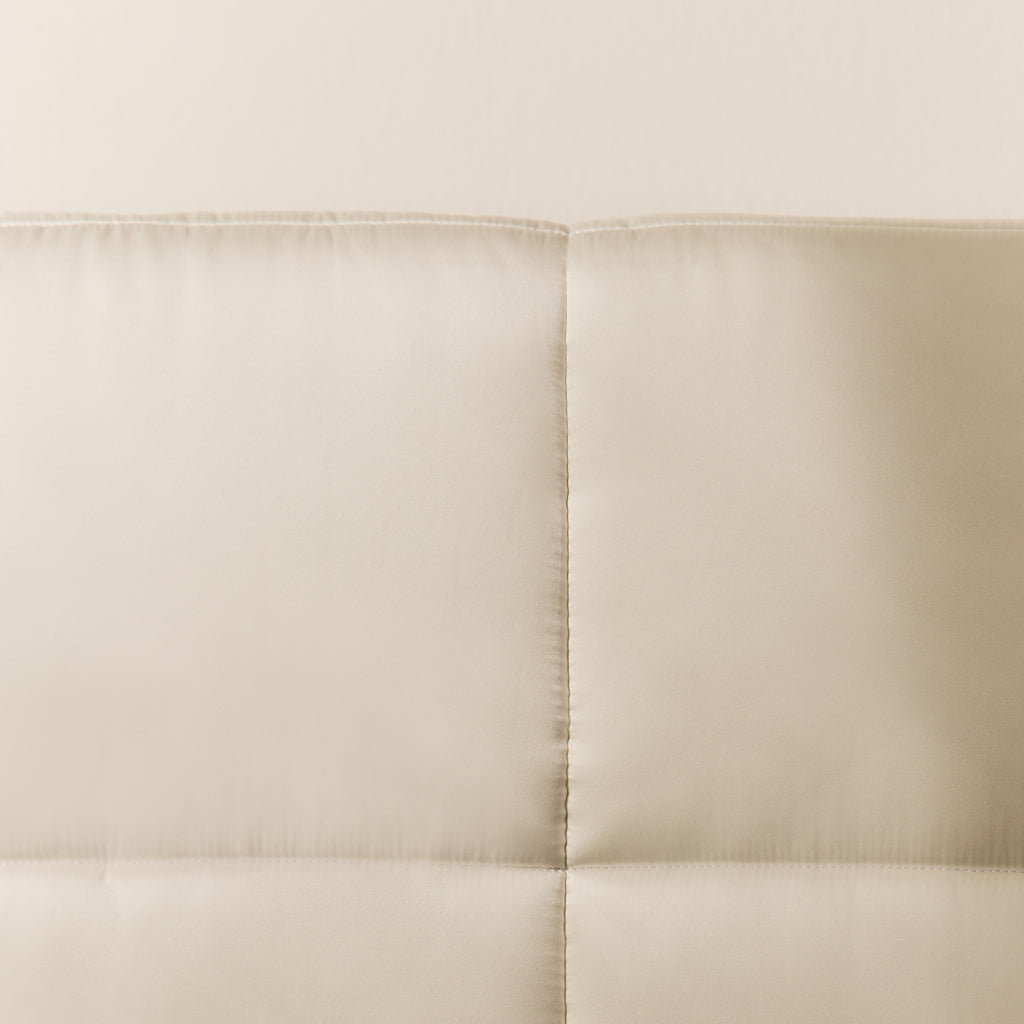
Our natural silk is the ideal fiber for luxury silk bedding and natural silk bedding: luxury silk duvet, silk sheets, silk pillowcases.
T.SILK COLLECTIION natural silk bedding use only natural silk , with zero-mile processing and tailoring that respects the continuity of the silk thread to ensure comfort and durability.
Innovation and sustainability: the future of silk origin
The T.SILK COLLECTION approach and philosophy combine tradition, respectful of the ancient silk origin, and innovation, applying studies on:
- Natural silk microfiber
- Low environmental impact , ethically sustainable productions
- Natural and ecological finishing techniques
- Supply chain control and traceability
- Regenerated silk fiber projects.
The goal is to create a flexible fiber for a sustainable natural bedding, where natural silk bedding preserves the historical value of silk but gives value to the needs of contemporary well-being.
This vision of sustainable silk T.SILK COLLECTION represents the modern evolution of Italian natural silk, born from the awareness of the origin of silk, capable of combining comfort, luxury and environmental responsibility.

Cosetex and T.SILK COLLECTION: the culture of silk Made in Italy
More than a hundred years of history are nothing compared to the history and origins of silk , but for over a century, Cosetex has safeguarded the Italian silk tradition, developing advanced production techniques and innovative solutions for natural silk fibre .
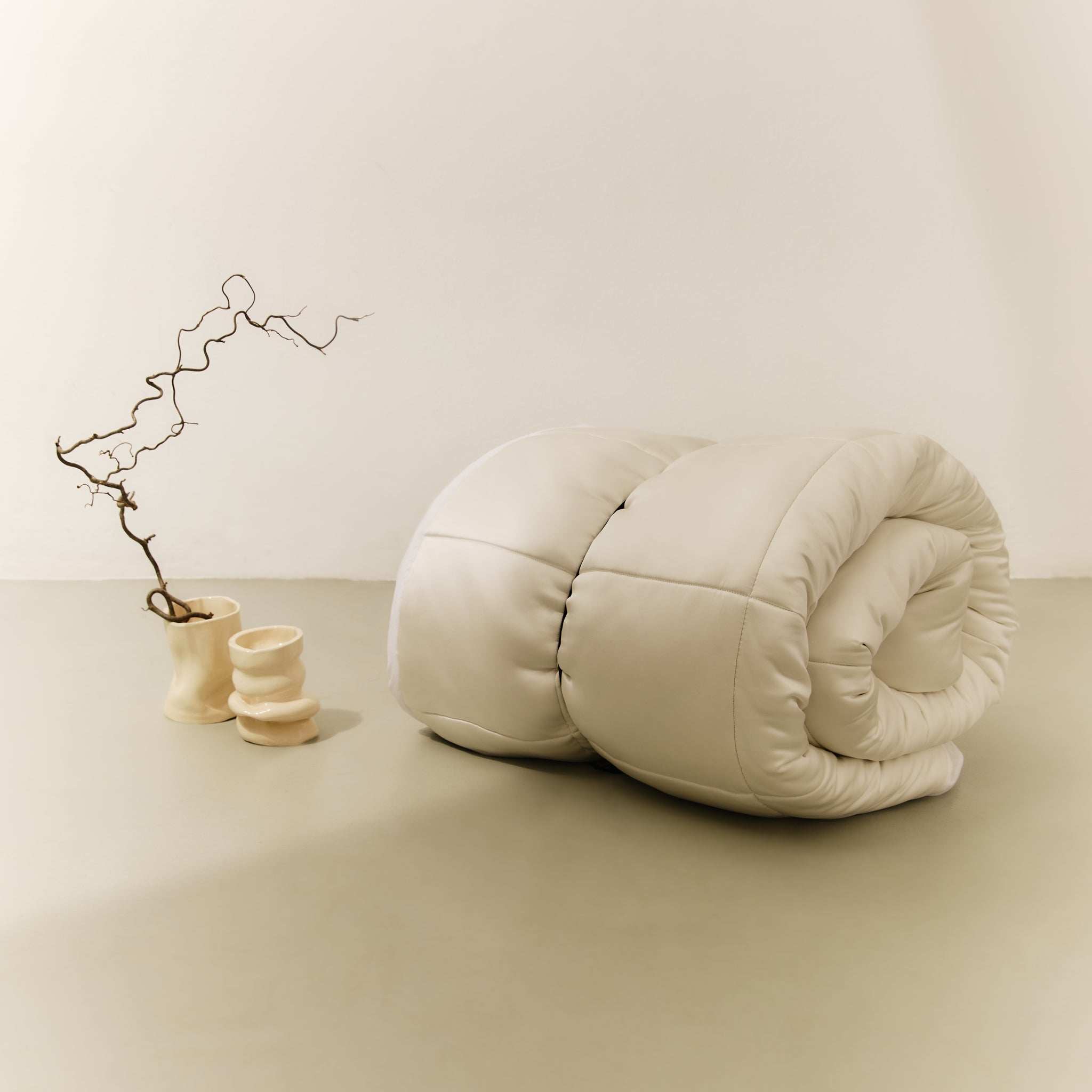
With the T.SILK COLLECTION project , the knowledge and origin of silk have become products for the world of rest, creating silk bedding solutions, including natural silk bedding, silk-padded King duvets and silk-padded topper that represent the modern evolution of the ancient silk art .
T.SILK COLLECTION is now an ambassador for natural silk bedding Made in Italy, where the millennia-old history of the silk origins intertwines with comfort and contemporary design.
The silk of the past thus becomes the material of the future : a perfect balance between the origins of silk , meaning, history, technique and comfort Made in Italy.