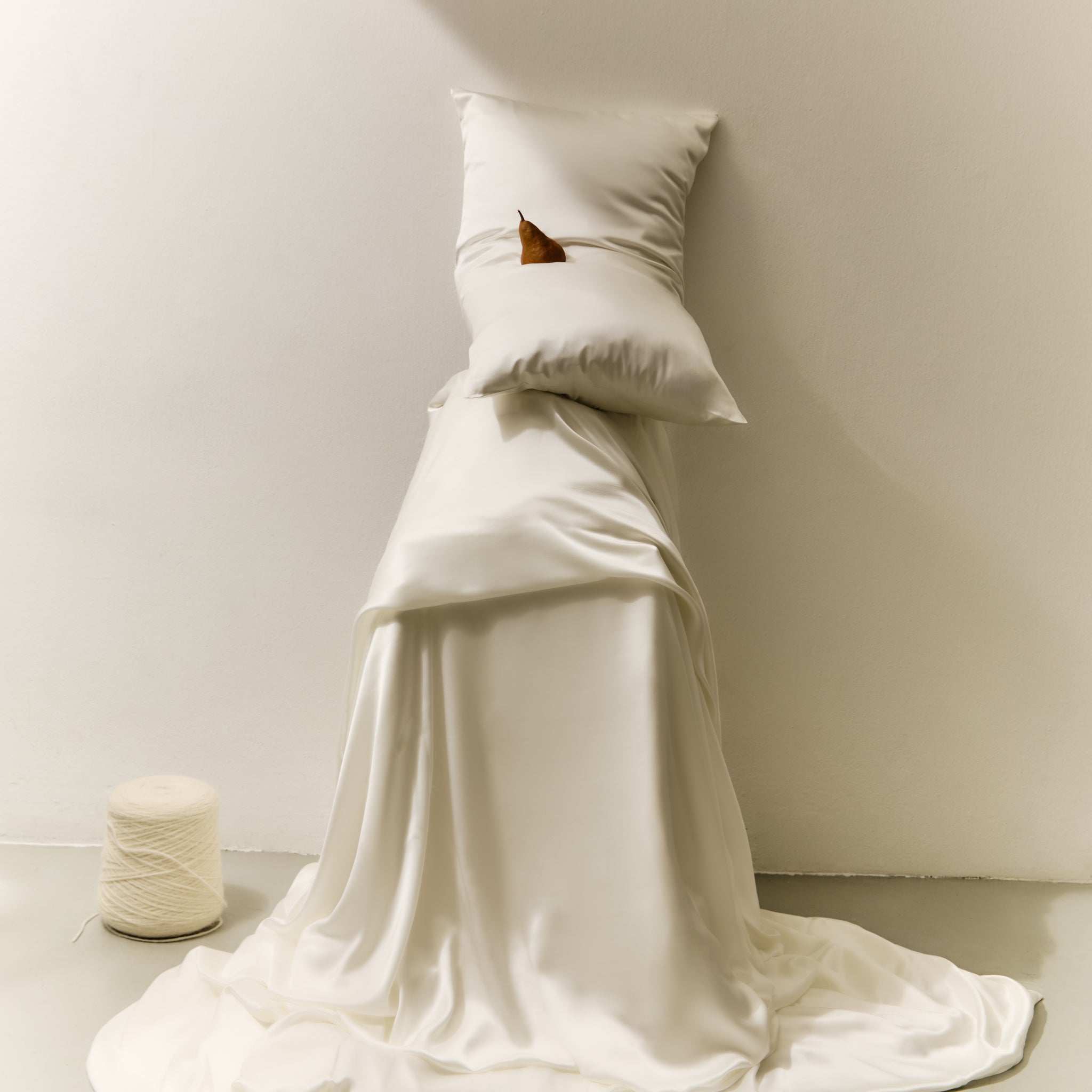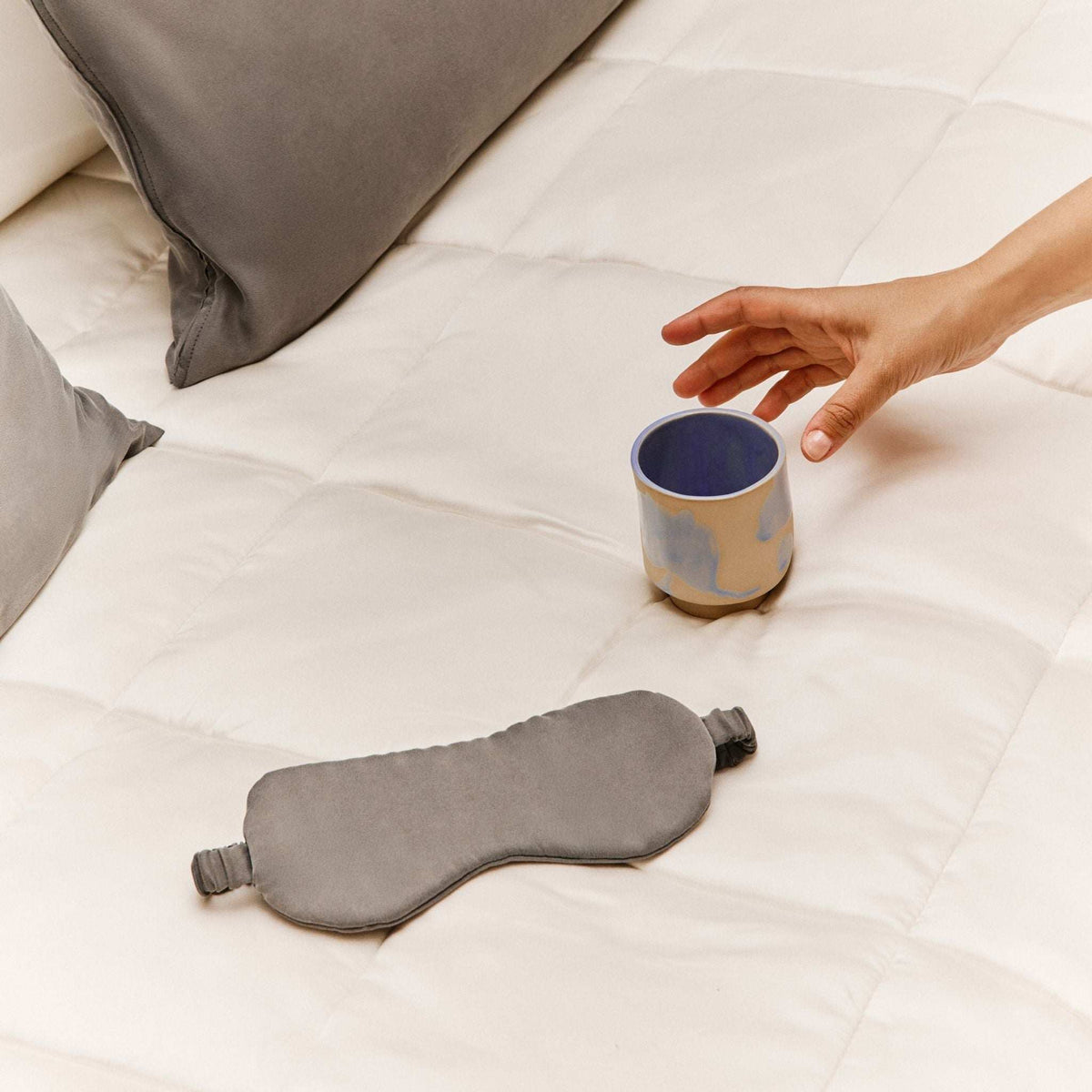




How to wash silk bedding without ruining it: complete care guide
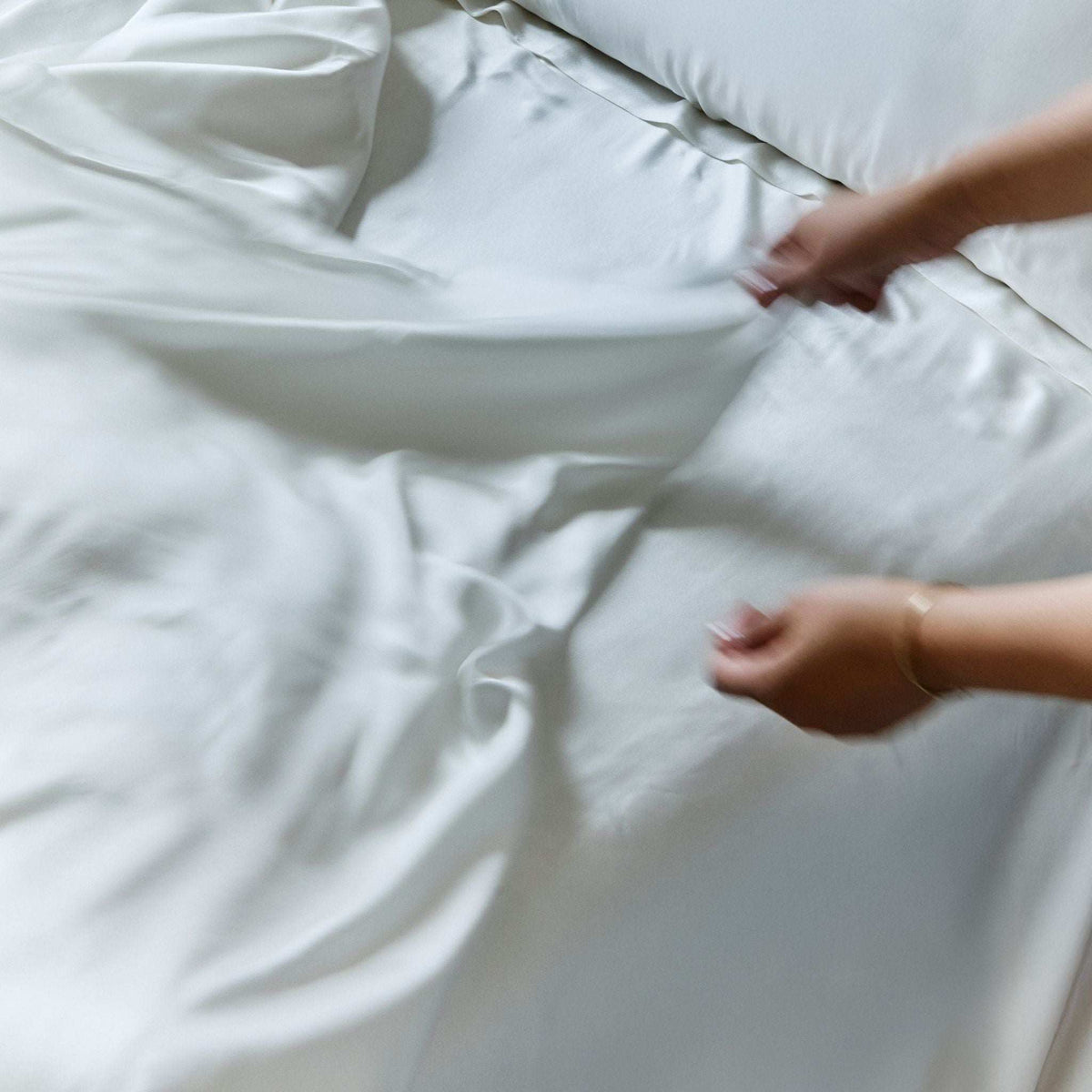
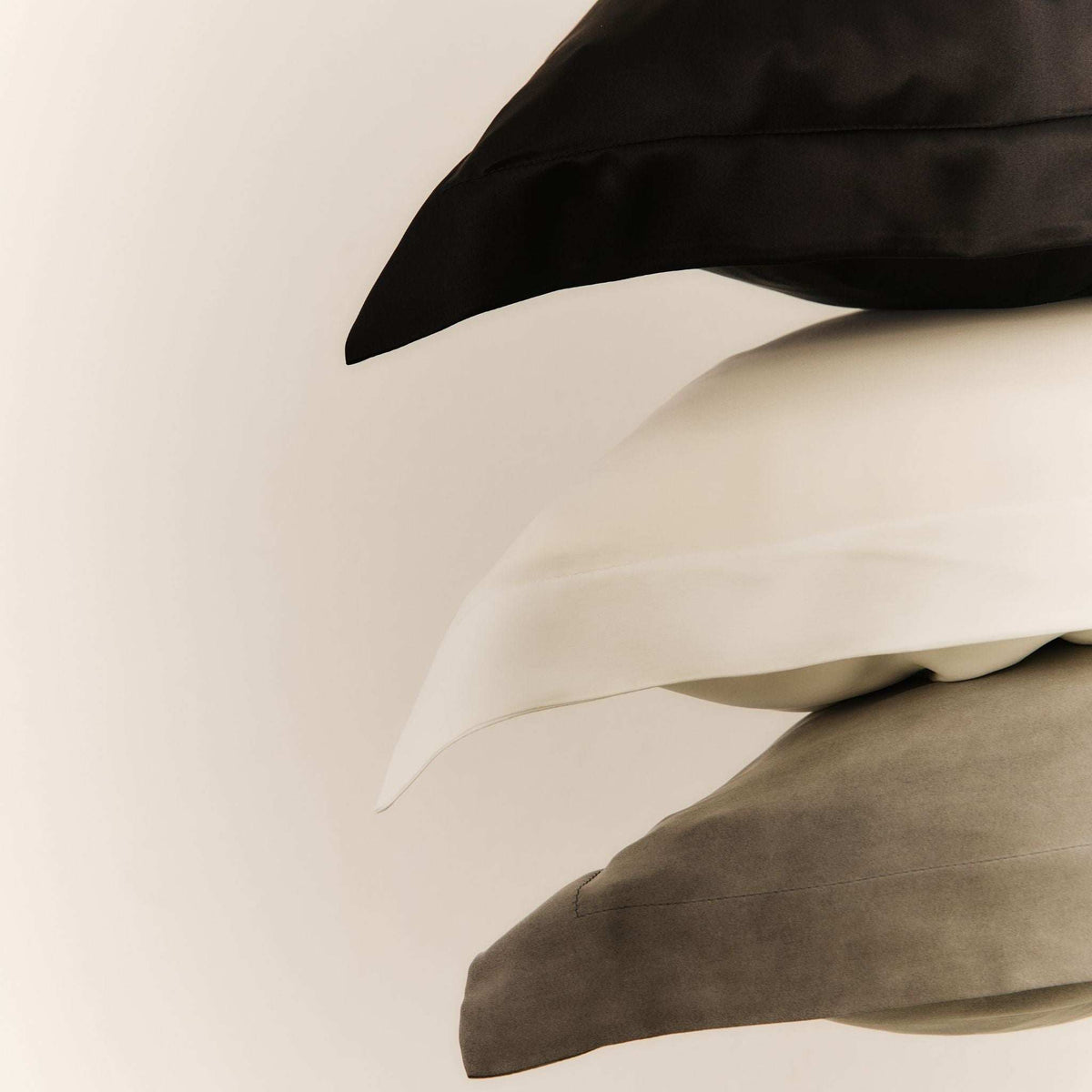
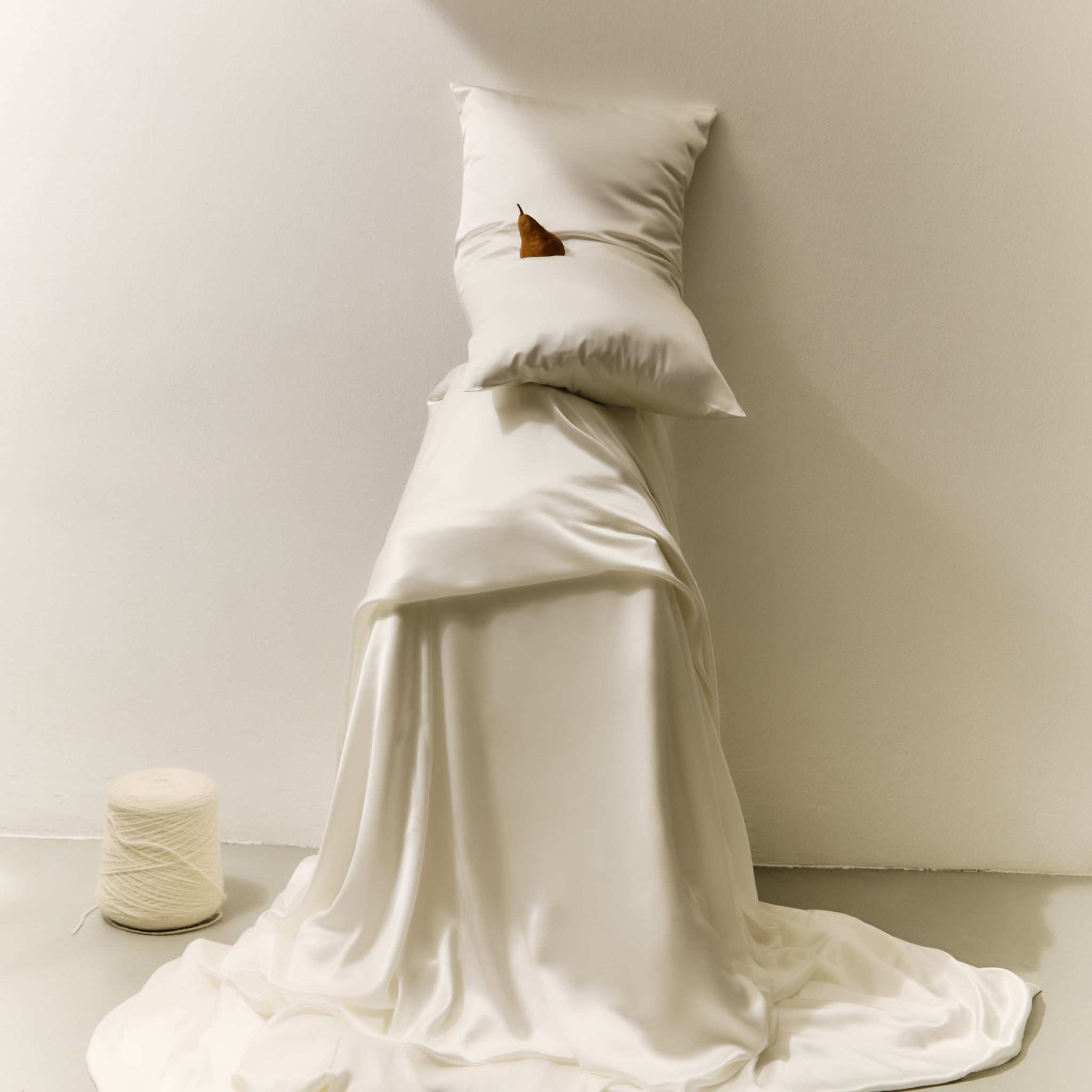
Natural silk bedding can be safely hand washed or machine washed up to 30°C without losing its shine, softness, or thermoregulating comfort, provided certain simple care rules are followed. Using low temperatures, gentle detergents, and avoiding excessive heat helps preserve the softness, breathability, and elegance of silk sheets, pillowcases, silk duvet, duvet covers and natural silk bedding for years.
In this silk bedding care guide you will learn:
- how to safely hand wash silk bedding
- how to safely machine wash silk sheets, silk duvet covers and pillowcases
- the best detergent for washing natural silk
- the correct temperature for washing silk
- how to dry and iron silk safely
- which mistakes to avoid when washing silk
- how to preserve softness and shine over time
To preserve the quality, durability, comfort, and elegance of natural silk bedding over time, it is important to understand the characteristics of the fiber and the correct silk washing techniques.
Why natural silk requires delicate washing
Silk is a natural protein fiber with a complex chemical and molecular structure characterized by high performance, comfort, breathability, and strength. This structure allows it to be:
- strong yet gentle on the skin
- naturally breathable
- thermoregulating in all seasons
- elastic and durable over time
- able to naturally adapt to the body
Proper silk care and gentle washing techniques help preserve the fabric’s natural softness, durability, shine, and thermoregulating comfort.
Fibroin and Sericin: Why Silk Needs Gentle Care
Silk is composed of two natural proteins: fibroin and sericin.
Fibroin gives silk products comfort, strength, and elasticity.
Sericin is a cohesive protein that externally protects fibroin, contributing to its natural softness. Sericin is sensitive to heat, friction, and harsh chemicals.
During processing, part of the sericin is partially removed to make the fiber more workable. The correct balance between fibroin and sericin determines the quality of the yarn, fabric, or filling, influencing washing and maintenance possibilities.
Proper silk maintenance allows you to:
- preserve the structure and natural properties of the fiber
- enhance the physico chemical characteristics of the natural microfiber
- maintain breathability and lightness
- extend the lifespan of silk products.
Washing silk correctly means protecting its natural structure and preserving the luxurious comfort that makes silk bedding unique over time, both in delicate silk washing and in proper silk treatment.
Silk properties to preserve during washing
How to wash silk, how to prepare silk for washing, and the methods and times depend on the molecular structure of silk, characterized by:
- high tensile strength
- high flexibility
- stretchability exceeding 25%
- resistance to abrasion and breakage
- structural stability even under stress.
Proper silk maintenance is essential to preserve these characteristics over time.

How to keep silk bedding soft, shiny, and breathable
To maintain the softness, comfort, and luminosity of natural silk over time, it is important to follow some simple daily habits.
Silk care begins with simple rules: airing, avoiding direct sun exposure, and properly storing silk bedding. These practices help preserve the comfort, lightness, and natural properties of the fiber itself, preparing it for proper delicate silk washing.
Air out silk bedding regularly
Silk fiber naturally maintains a moisture level of 11%.
Its ability to absorb water vapor and quickly release it externally allows for excellent thermoregulation and relative humidity balance, promoting comfort during rest.
To maintain these properties, it is advisable to air out silk bedding at least once a week, outdoors, for a quick rebalancing of internal humidity. This ensures natural lightness, softness, and airiness, preparing the fabric for a correct hand wash.
Avoid direct sunlight when airing or drying silk bedding
Contact with external air is fundamental for all silk products, and especially for bedding. Direct and prolonged exposure to sunlight should be avoided because it can stiffen the fiber and alter its natural shade, causing loss of shine and color variations.
Especially when drying silk outdoors, it is always recommended to keep silk in shaded and well-ventilated areas, ensuring correct silk drying.
How to Store Silk Bedding Properly
The qualities of silk bedding are maintained over time even during periods of non-use:
- Store in dry and ventilated environments
- Avoid damp or extremely dry areas, cellars, or attics
- Do not use plastic bags or wardrobes with plastic linings
- Use the pure breathable cotton bags provided for perfect silk care
- Do not use vacuum bags that limit breathability

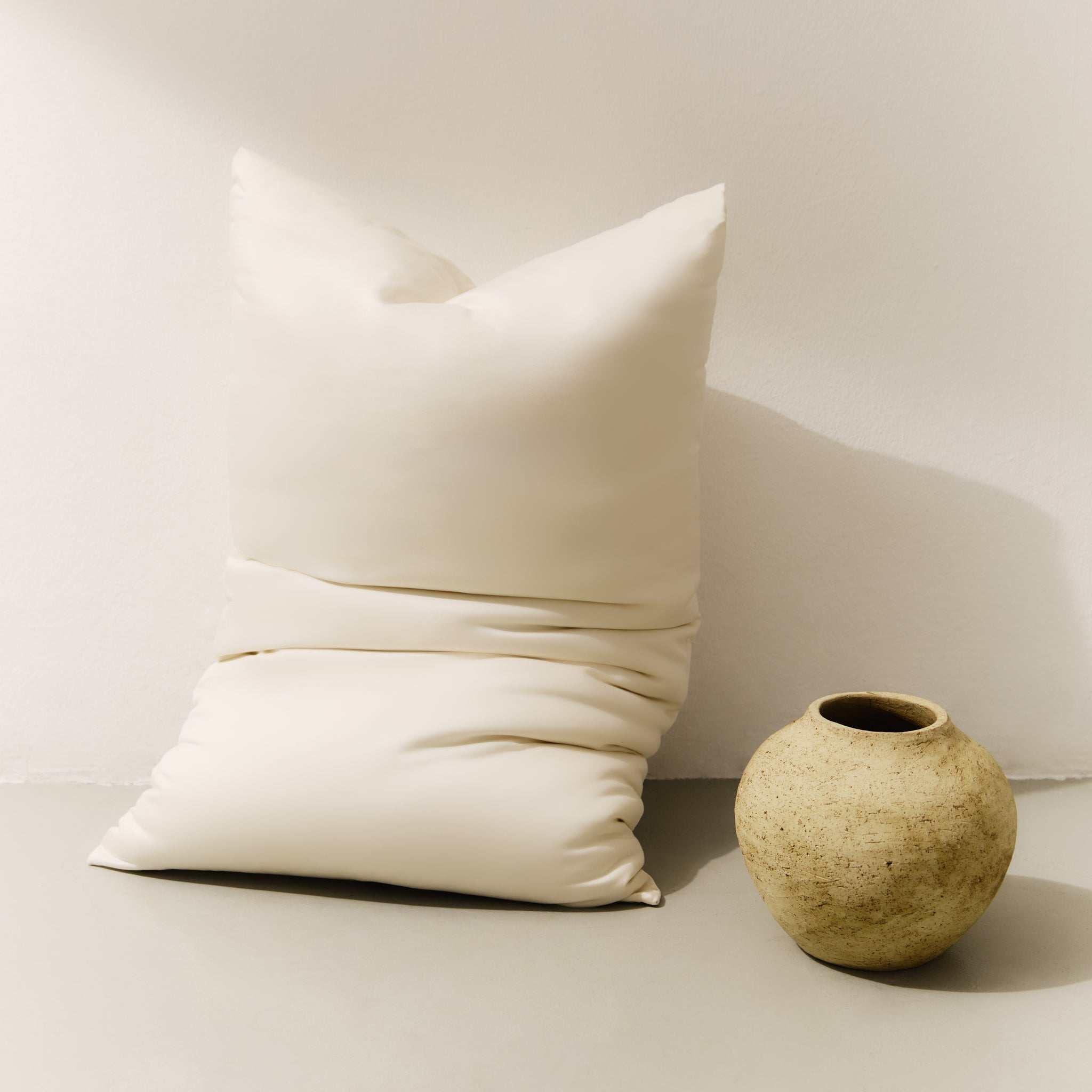
How to care for T.SILK COLLECTION silk bedding
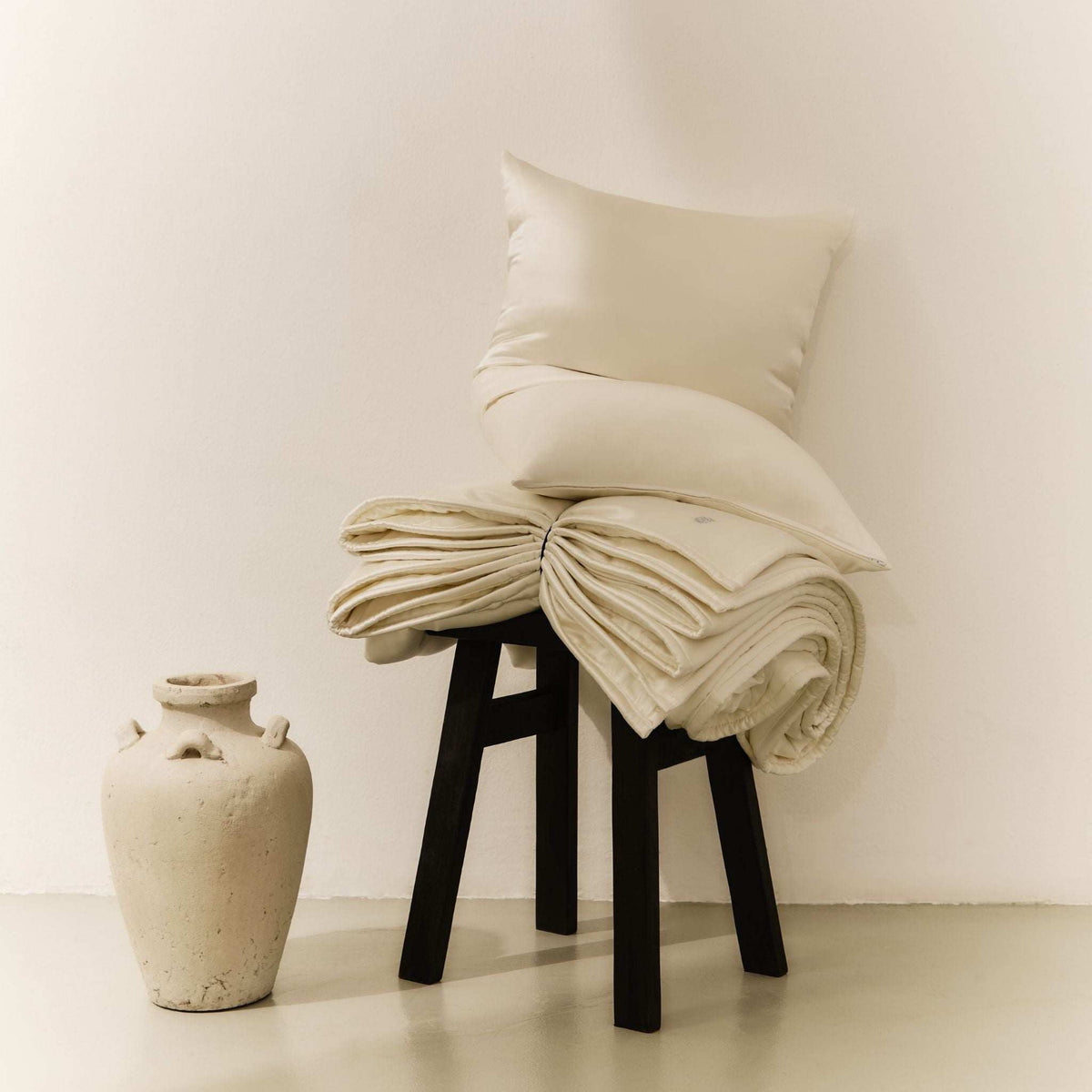
The exclusive products from the T.SILK COLLECTION line:
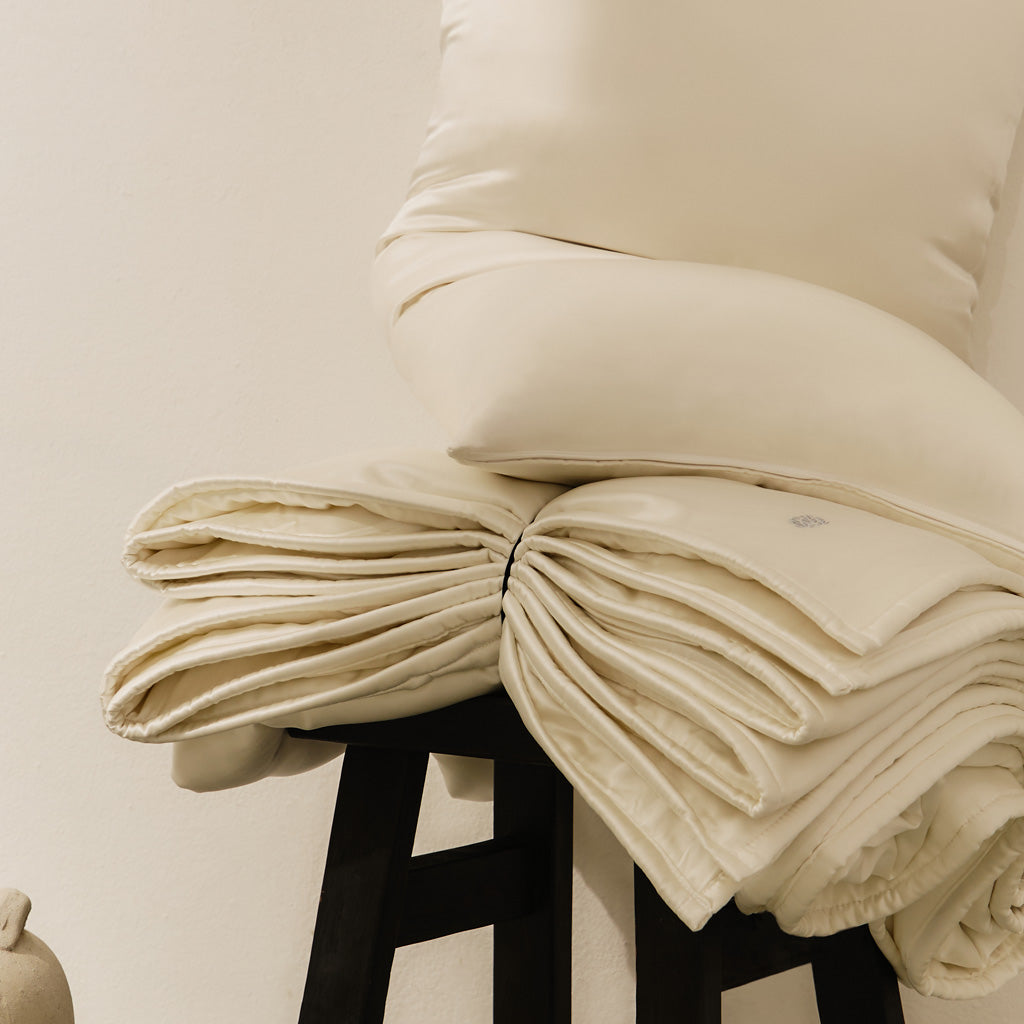
- natural silk duvet and natural silk topper
- silk sheets, silk duvet cover
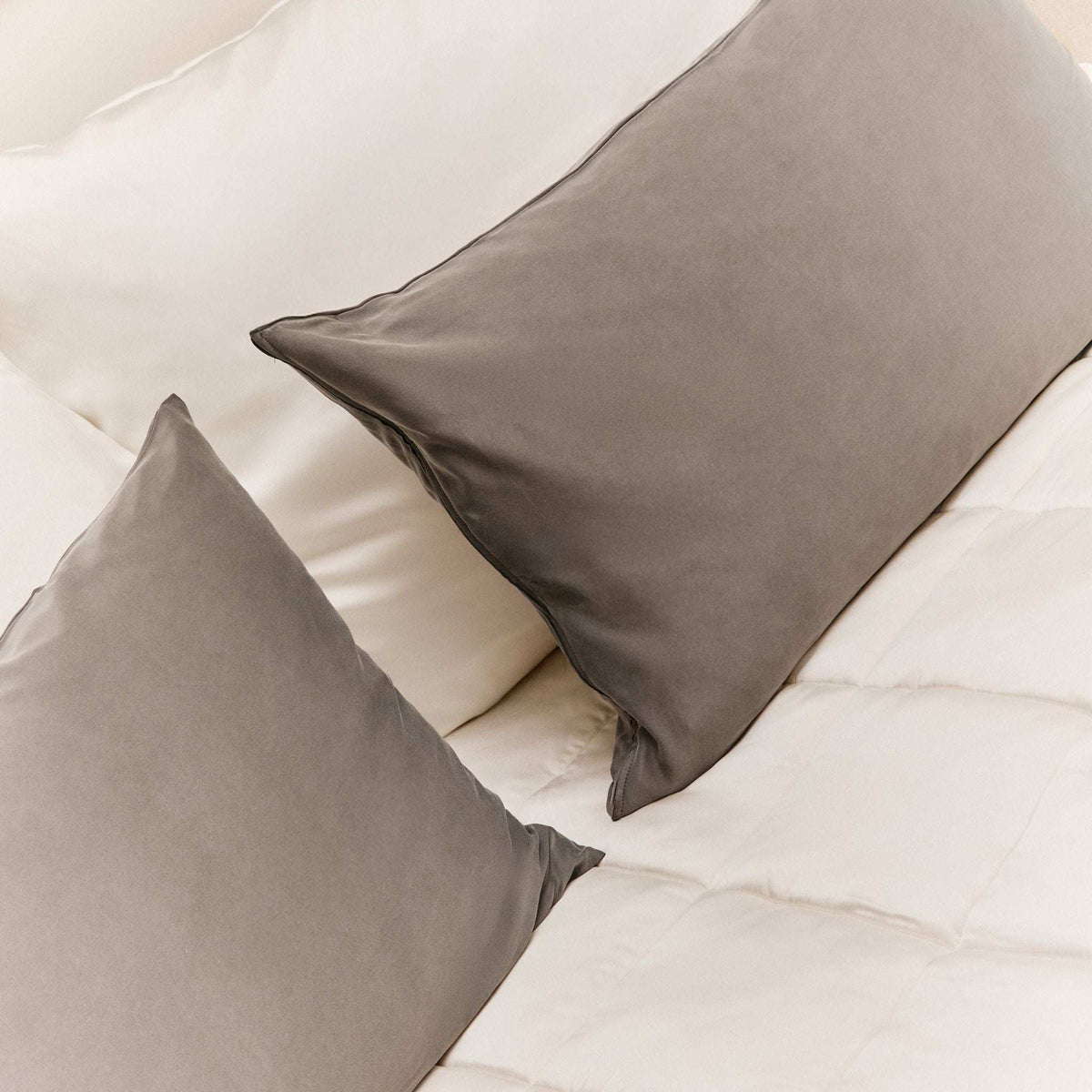
- silk pillowcase, silk-filled pillow
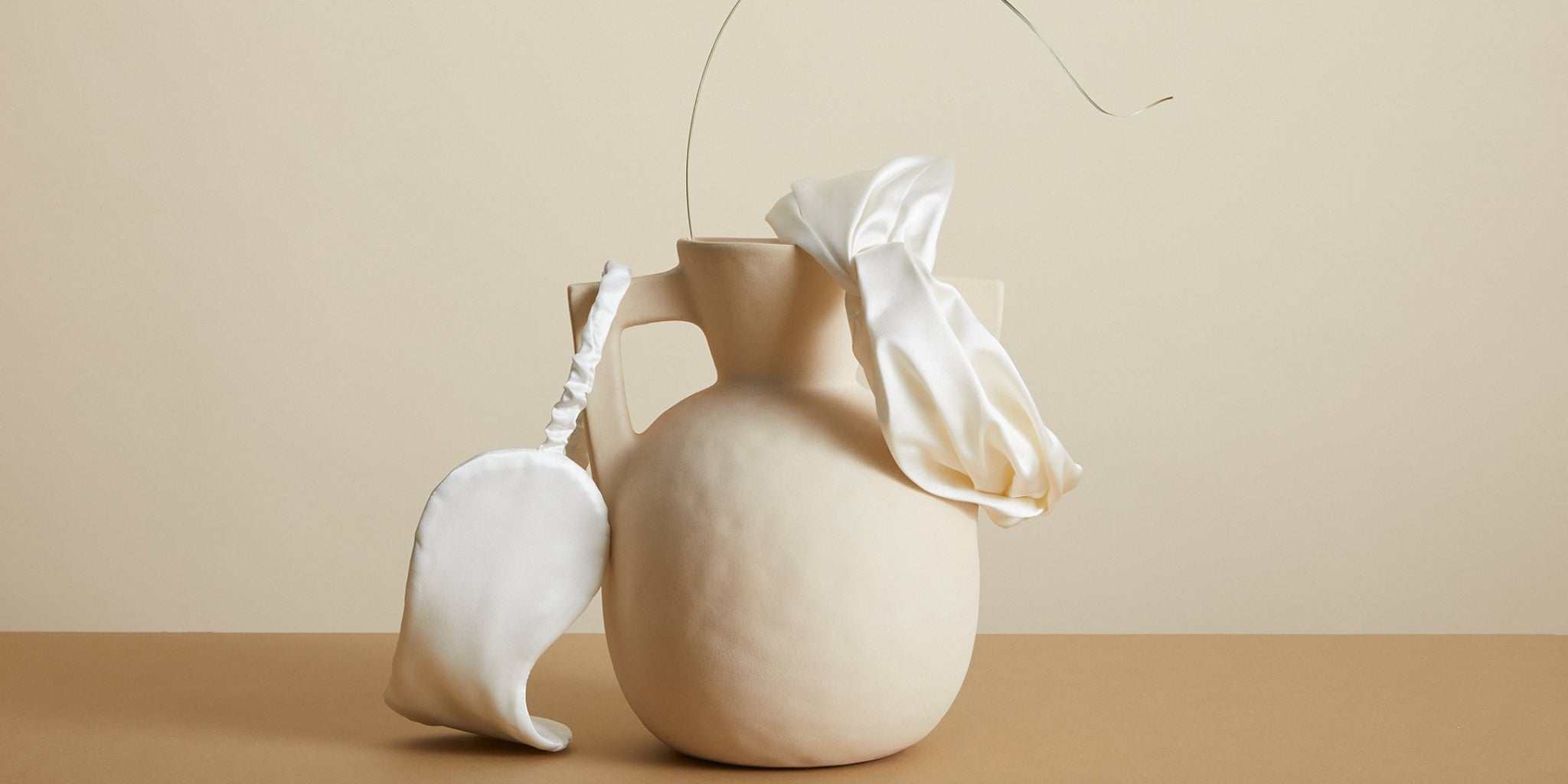
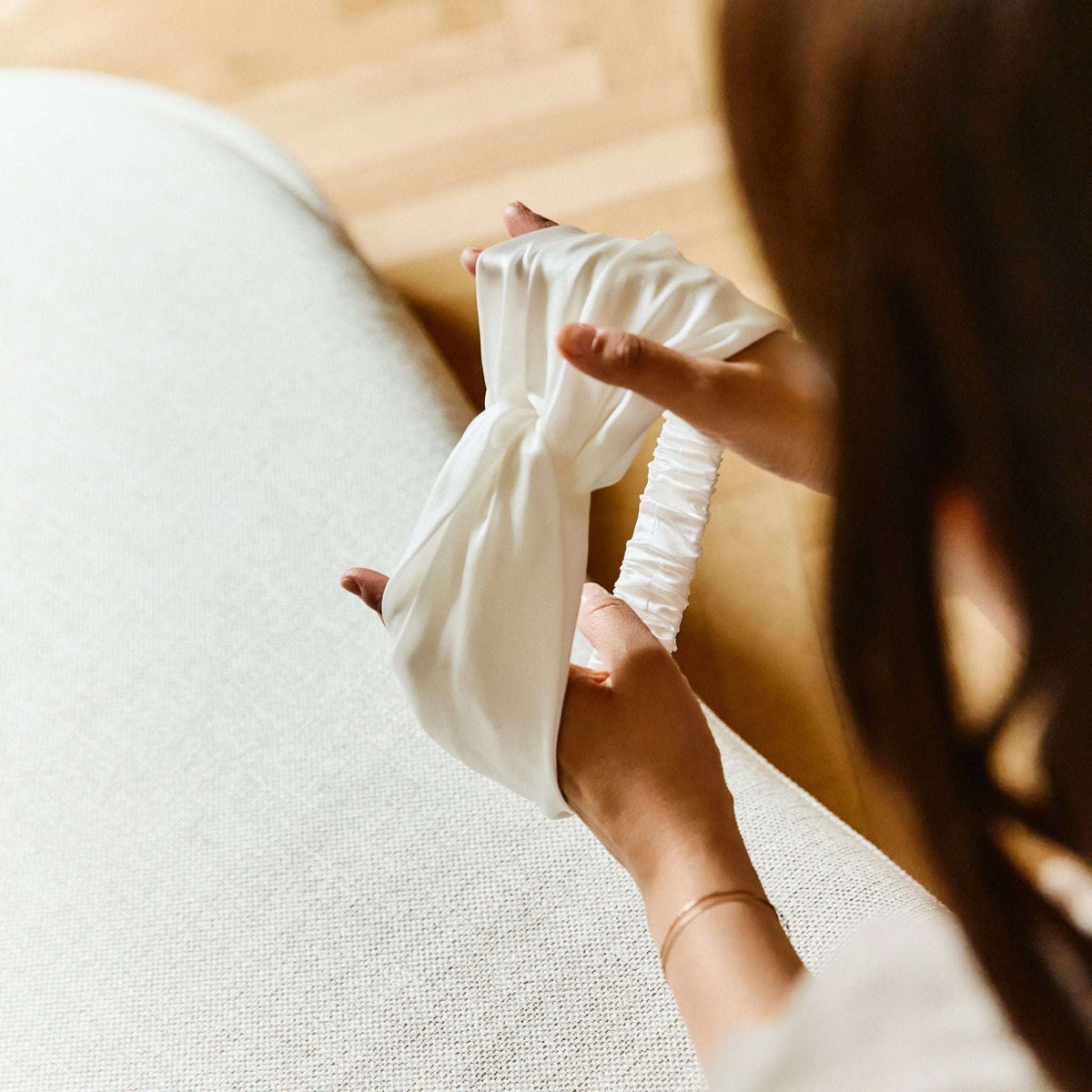
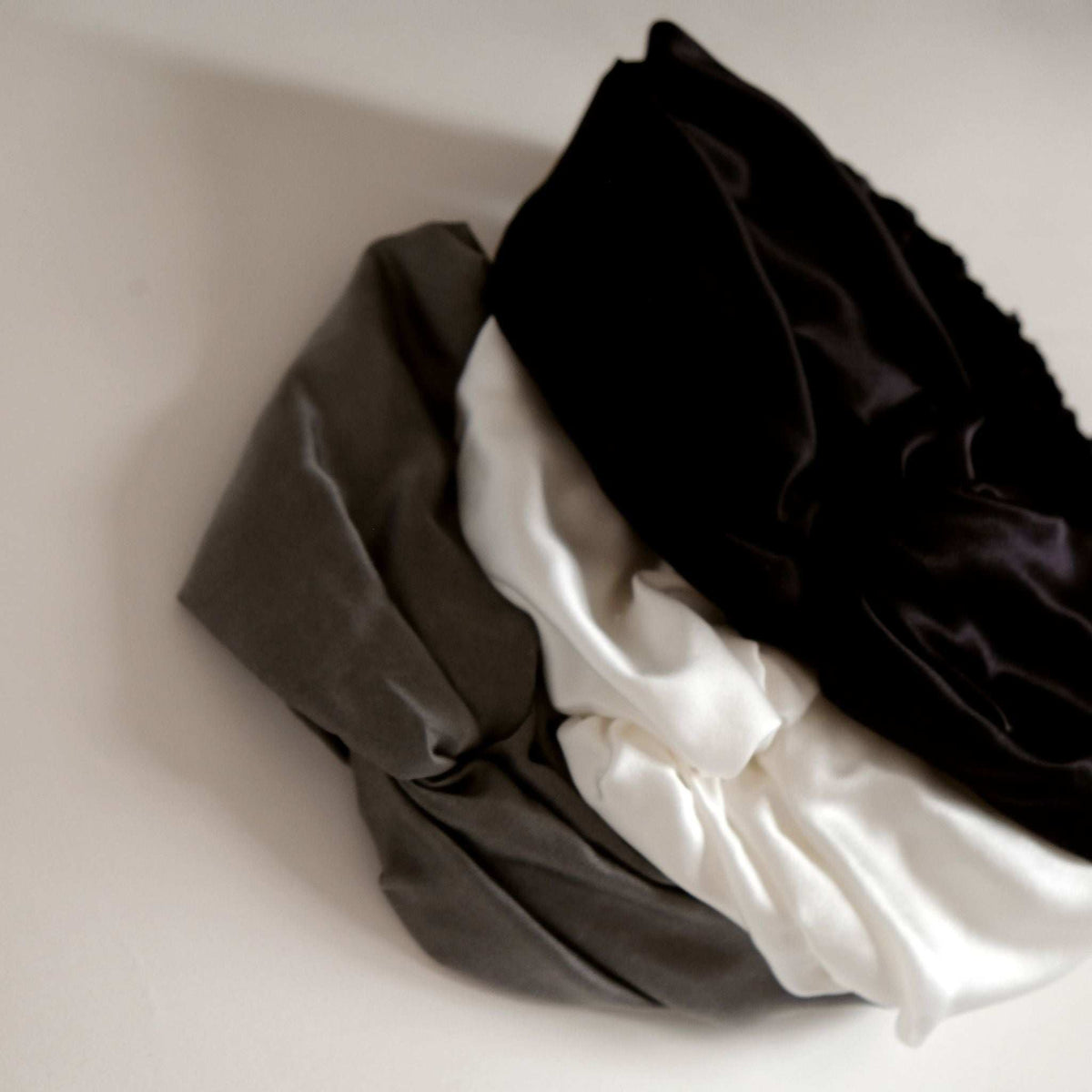
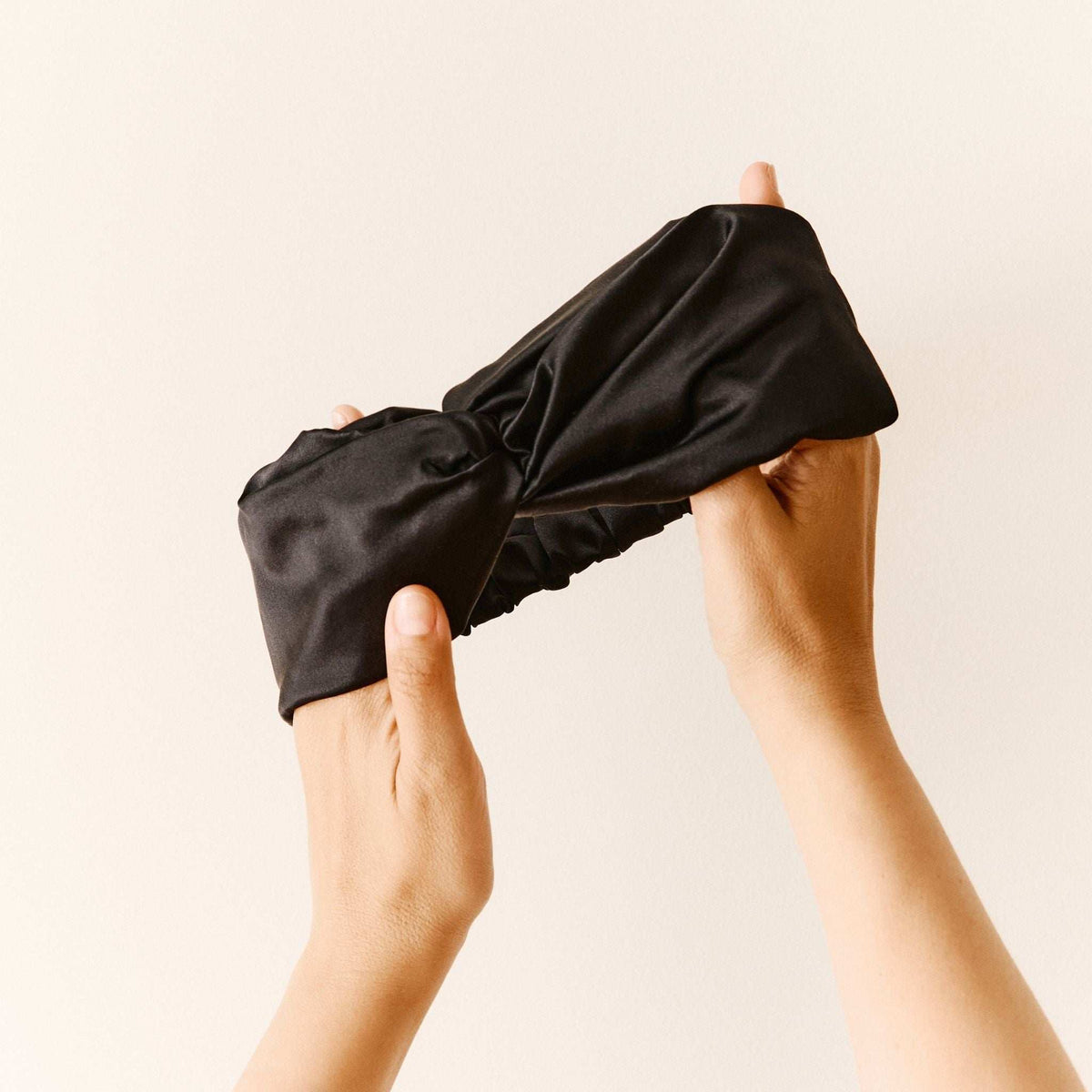
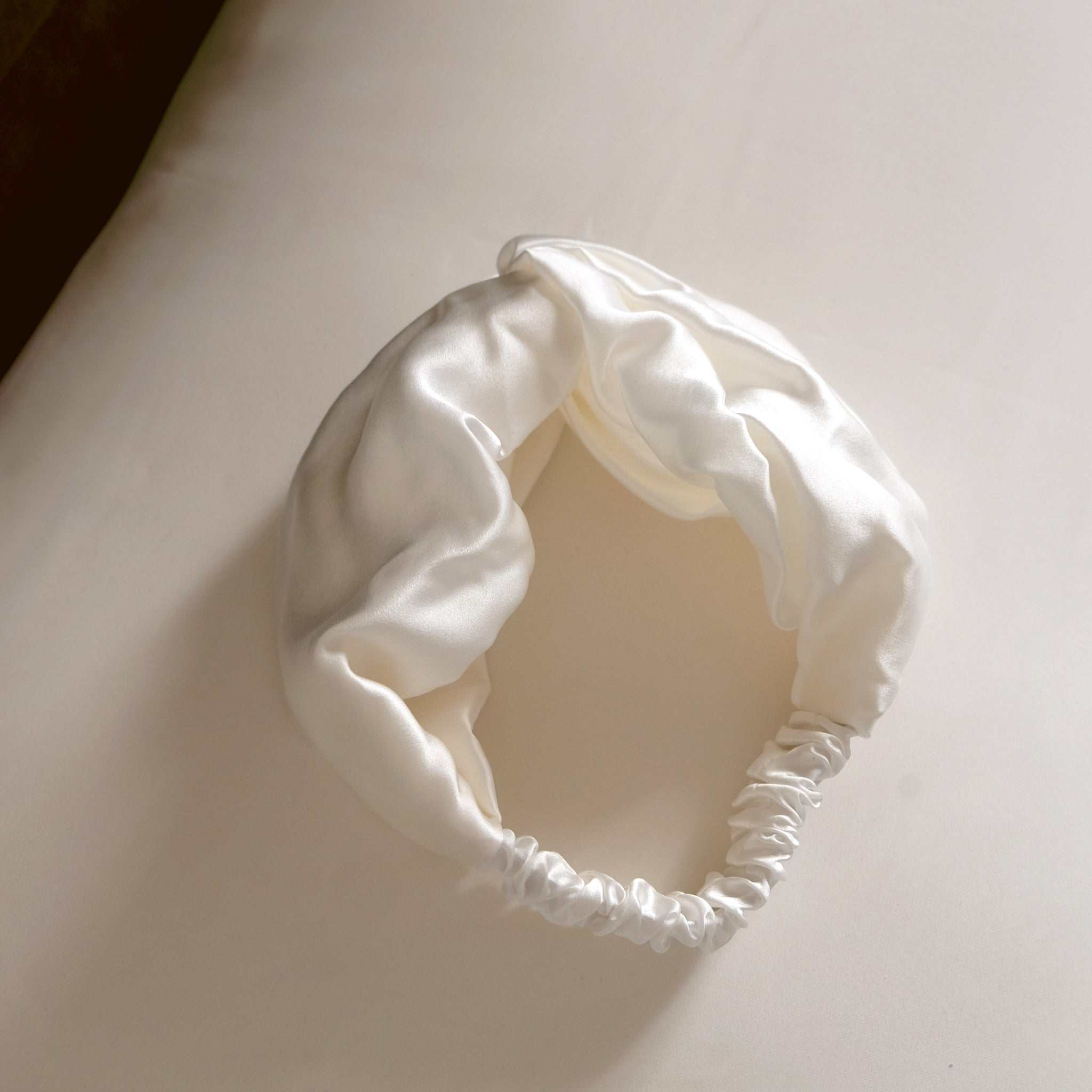
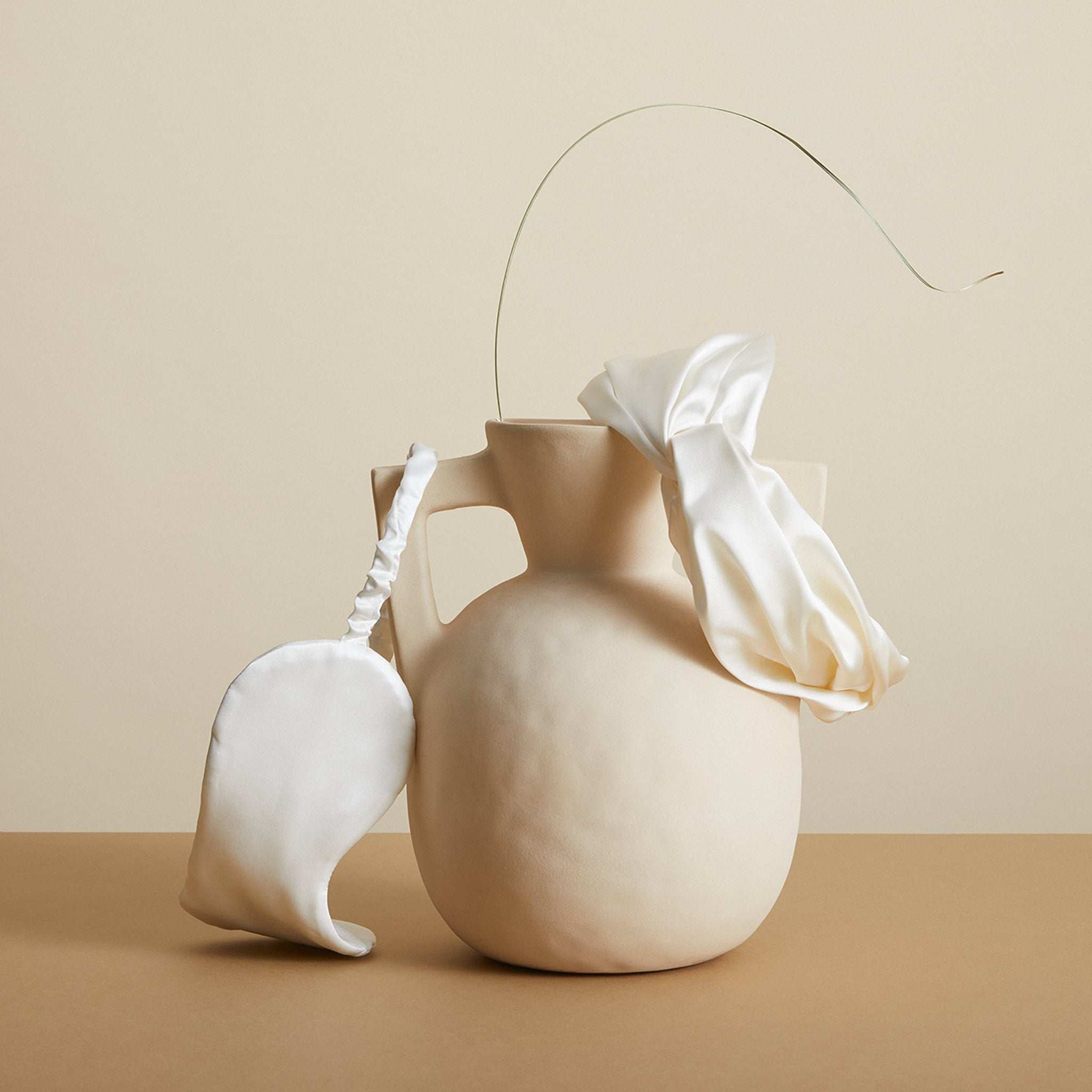
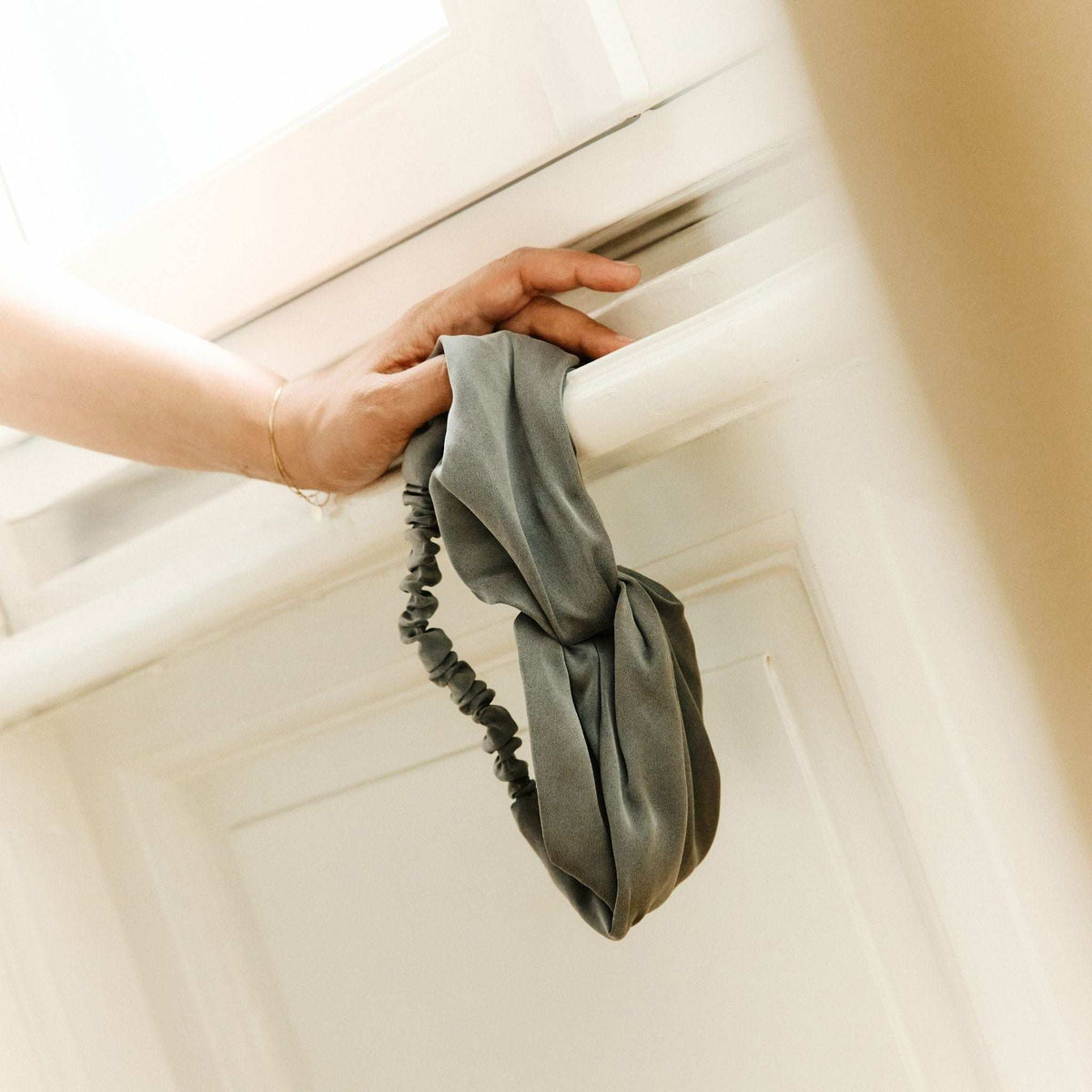
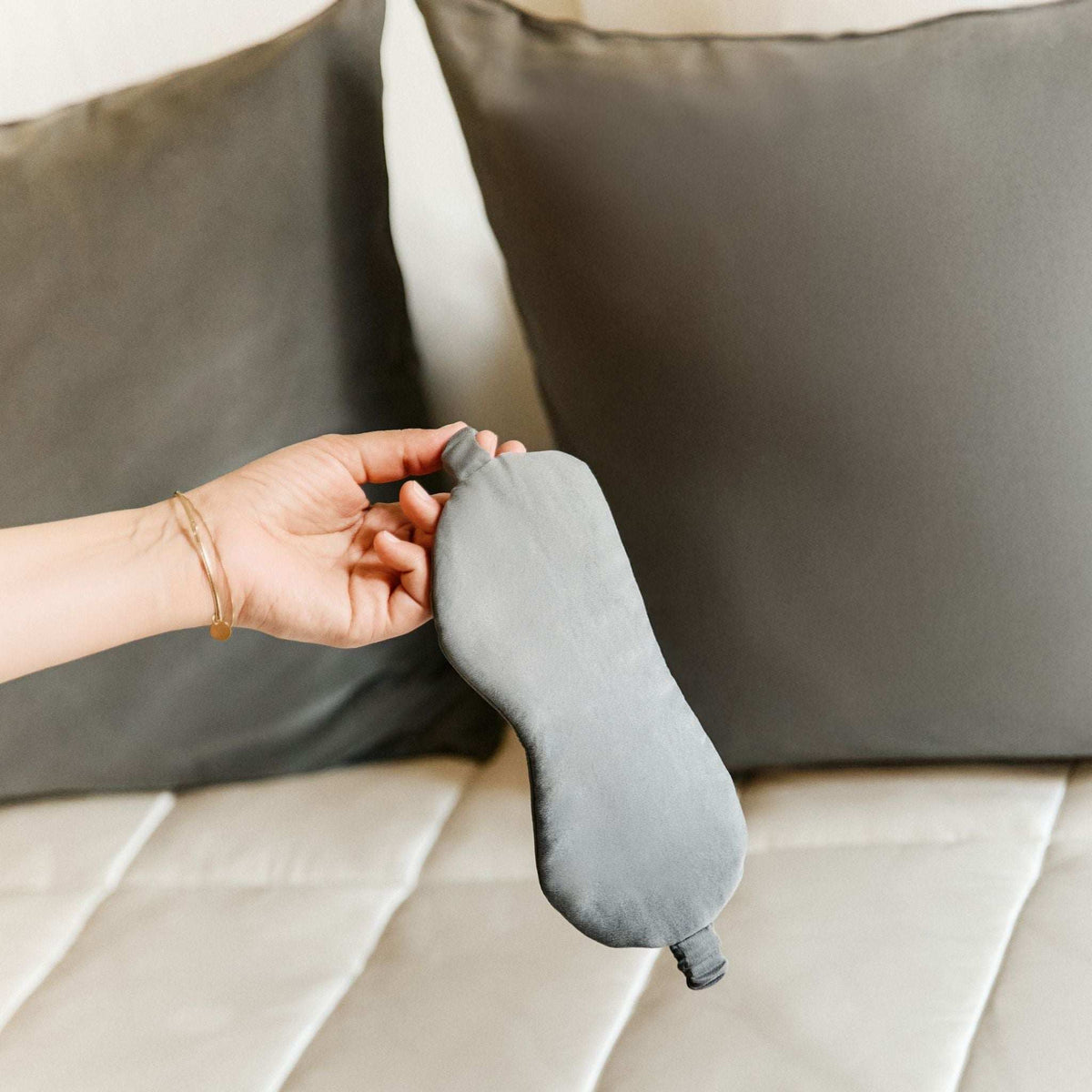
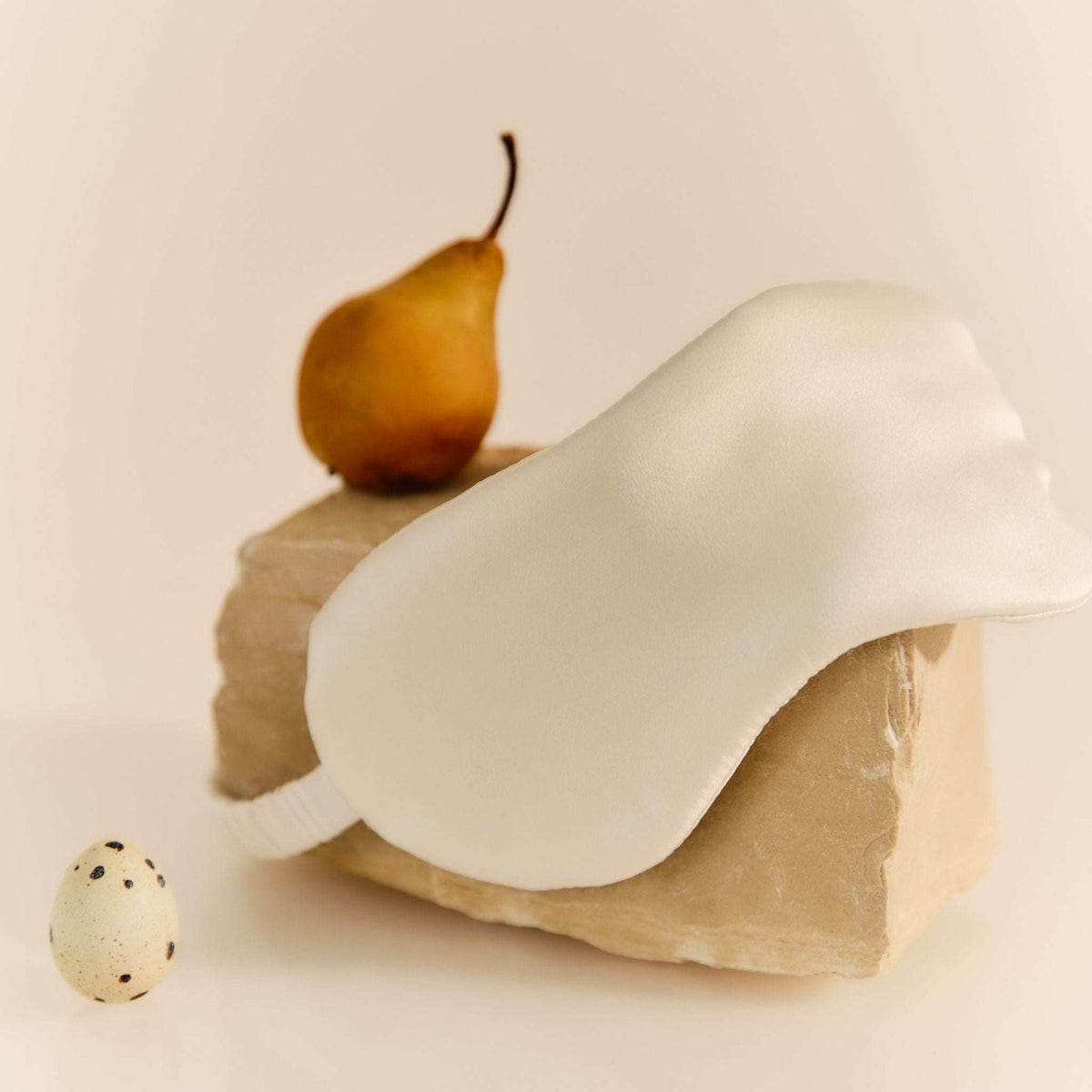
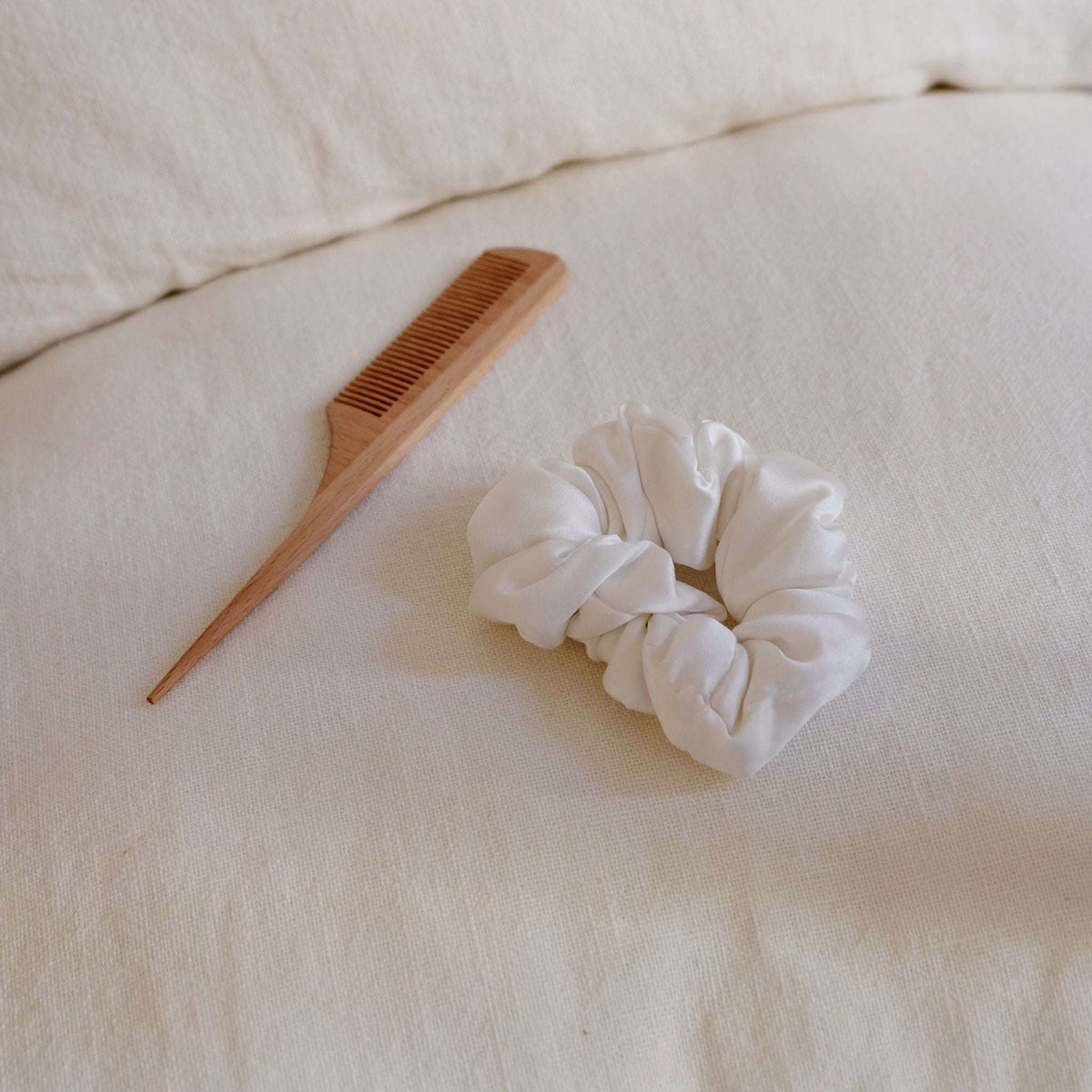
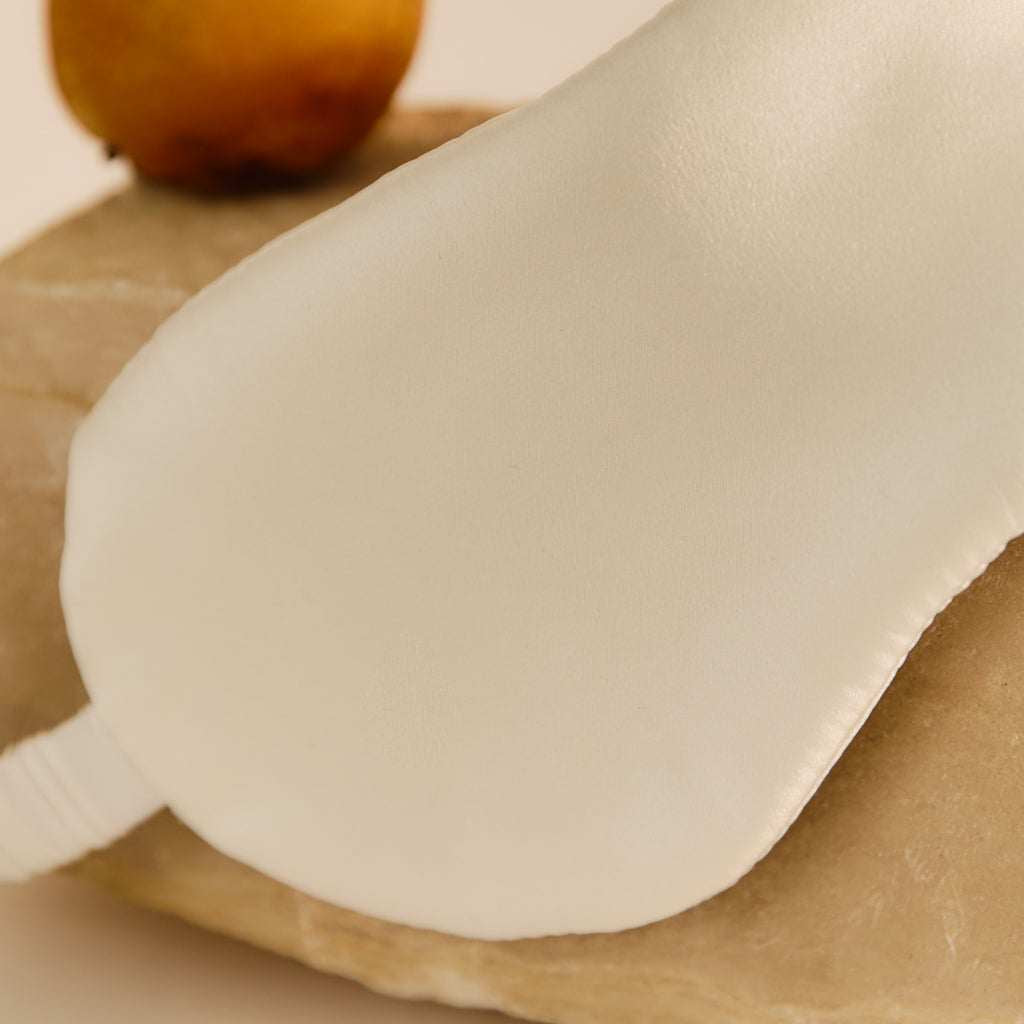
- silk accessories (silk-filled night eye mask, hair band, silk scrunchies)
maintain their exceptional characteristics of comfort and well-being over time by following the correct washing and maintenance rules developed by our experts
FAQ - How to wash and care for silk bedding
How to wash silk without ruining it?
Silk bedding can be hand washed or machine washed at 30°C with delicate cycle and detergents designed for delicate fabrics. Natural silk is durable but it remains sensitive to:
- very hot water and mechanical action – Preferably wash in lukewarm/cold water without mechanical action
- hot water and non-delicate detergents
- presence of other fibers, especially synthetics, and high spin speeds
Silk should be handled gently rather than aggressively to preserve its softness and shine. Proper delicate silk washing preserves its softness and shine.
What are the mistakes to avoid when washing silk?
Mistakes to avoid when washing silk:
- water that is too hot
- high spin speed
- tumble dryer
- bleach
- harsh detergents
- direct sun exposure
- vigorous rubbing
Even high-quality silk can lose softness and shine if subjected to overly aggressive treatments.
Can silk be machine washed or only hand washed?
Silk can be washed both by hand and in the washing machine. However, some precautions are necessary for machine washing. Machine washing silk is advisable with:
- a delicate or silk wash cycle
- low spin speed,
- a partially filled washing machine
- delicate detergents,
- the use of a protective bag.
- avoid, if possible, washing with other types of fibers, especially synthetics.
Be wary of those who offer products that, without any limitation, can be machine washed. These are usually products that, although declared as silk, contain significant percentages of other fibers, especially synthetic ones.
Hand washing silk remains the most delicate method to preserve the softness and shine of natural silk. Machine washing silk is also possible, provided the rules are followed.
Is dry cleaning silk always mandatory?
No, dry cleaning is not mandatory for silk. It is recommended for large silk bedding and/or particularly structured silk-filled products (silk-filled duvet, silk-filled topper, silk sheets, silk duvet cover). For other products (silk pillowcases, silk headbands, silk sheets), hand washing or machine washing is possible, always ensuring proper silk treatment.
Can silk be dry cleaned?
Silk products can be dry cleaned. It is advisable to have dry cleaning done at specialized laundries that can ensure attention and experience, use ecological and environmentally friendly products, and schedule washing in the initial cycles to avoid reaching high temperatures.
At what temperature should silk be washed?
Silk should be washed at low temperatures: maximum 30 °C in the washing machine and up to 35–40 °C when hand washing. Higher temperatures can alter the protein and dimensional structure of the fiber.
What detergent should be used to wash silk?
It is recommended to use a neutral and delicate detergent, specific for silk or natural fibers.
Bleach, fabric softeners, alkaline detergents, and abrasive microbeads should be avoided as they can stiffen or damage the fabric.
Can you put silk bedding in the dryer?
No, silk should never be dried in a tumble dryer. The intense heat and rotational movement of the dryer can weaken the natural silk fibers and compromise the softness of the fabric. The ideal drying method is natural, flat, without wringing, and without direct contact with the sun, following the best silk drying practices.
Be wary of silk bedding products that allow and guarantee tumble drying: they may contain significant percentages of other fibers, especially synthetic or artificial ones.
How to properly dry silk after washing?
After any type of washing, the silk product should be laid flat or, if not filled, hung, avoiding the use of clothes pegs. The garment should not be twisted or wrung out, and should preferably be air-dried in a shaded and well-ventilated environment.
How to Iron silk bedding safely?
Silk should be ironed at a low temperature (max 110 °C). It is preferable to iron it when it is still slightly damp and to use a protective cloth to preserve its natural luster, following the correct silk ironing instructions.
How to remove stains from silk?
Small, light stains can be treated locally by dabbing with a clean, non-synthetic white cloth, sponge, cold water, and delicate detergent. Clean the stain locally, avoiding strong mechanical actions and rubbing with gentle movements without scrubbing vigorously. Prevent the stain from setting. Air dry.
How often should you wash silk bedding?
Silk does not require frequent washing. Thanks to its characteristics, compared to synthetic and artificial fibers, it tends not to retain moisture, mold, and dust mites, it does not allow the deposition of sebum, sweat, and unpleasant odors. Often, airing the garment after use is sufficient. Frequent washing can stress the fiber and reduce its lifespan. Infrequent washing helps the silk filling to maintain constant high levels of thermoregulation over time.
Does silk shrink when washed?
If washed correctly at low temperatures, silk does not shrink. The risk of shrinkage increases with hot water, tumble drying, or aggressive treatments.
Does silk lose its color when washed?
Silk maintains its natural shade if properly and correctly washed. If washed with mechanical action, hot water, harsh detergents, and dried directly in the sun, it can cause streaks, loss of shine, or color variations.
Can silk bedding be machine washed?
Yes, most high-quality natural silk bedding can be machine washed at 30°C using a delicate or silk cycle, low spin speed, and a detergent specifically designed for delicate fabrics. Using a protective laundry bag helps reduce friction and preserve softness and shine.
Washing silk: beauty, comfort, and environmental respect
Understanding how to wash silk and how to wash silk bedding allows us to overcome the mistaken idea of a complex fiber and rediscover the value of careful and conscious care. Proper maintenance allows natural silk to maintain over time:
- natural softness
- breathability
- thermoregulating comfort
- skin well-being
- natural shine
With a few measured gestures, silk maintains its elegance, characteristics, and natural excellences over time, offering an experience of comfort and beauty that transcends trends and time.
Proper care helps natural silk bedding maintain its softness, breathability, thermoregulating comfort, and elegant appearance over time. Compared to synthetic fabrics, natural silk also reduces the release of plastic microfibers into waterways and into the food chain, typical of synthetic fibers.
Discover the T.SILK COLLECTION natural silk bedding
Discover the T.SILK COLLECTION of luxury silk sheets, pillowcases, silk duvet, duvet covers, toppers, and silk-filled bedding designed to deliver breathable comfort, natural softness, thermoregulation, and timeless elegance for every season.