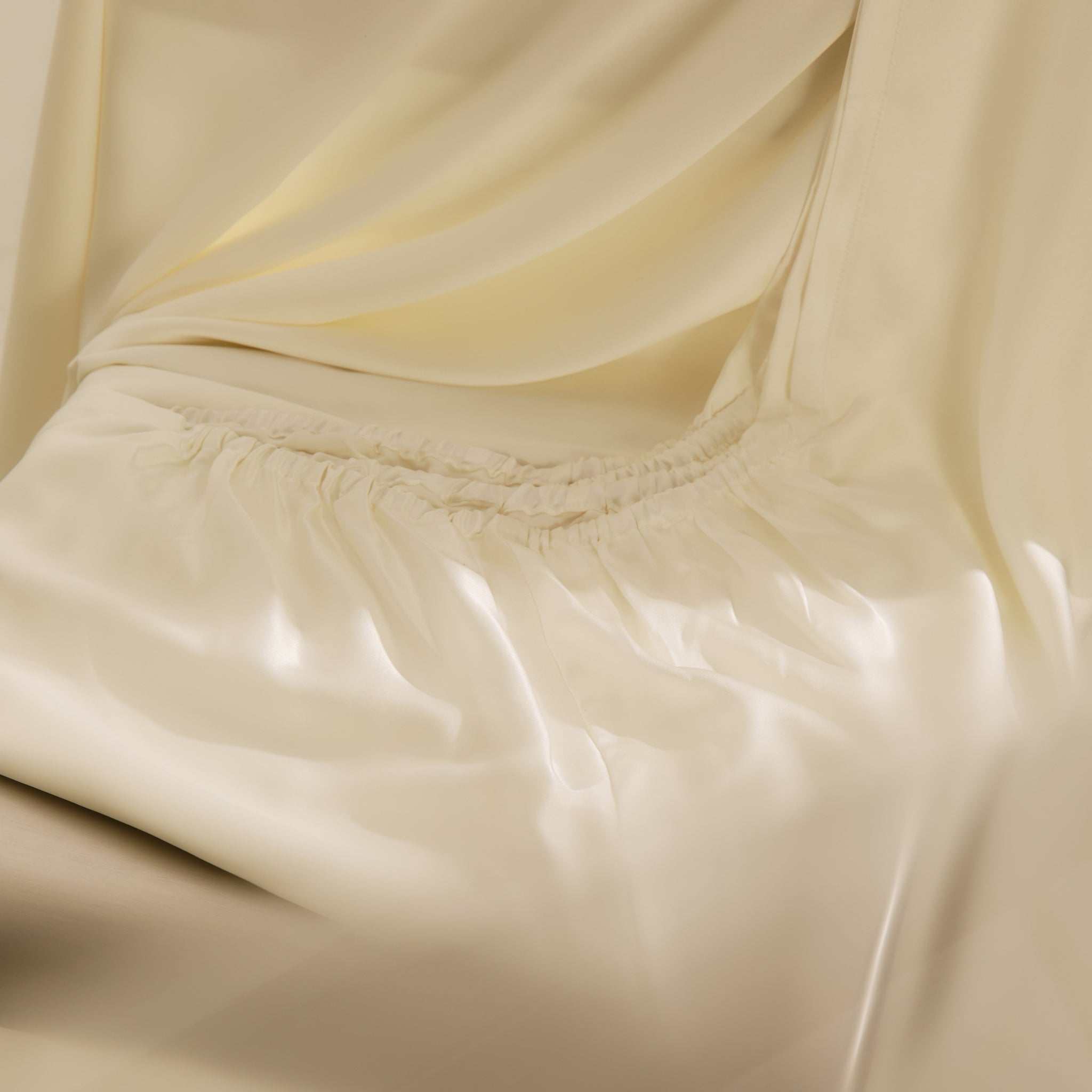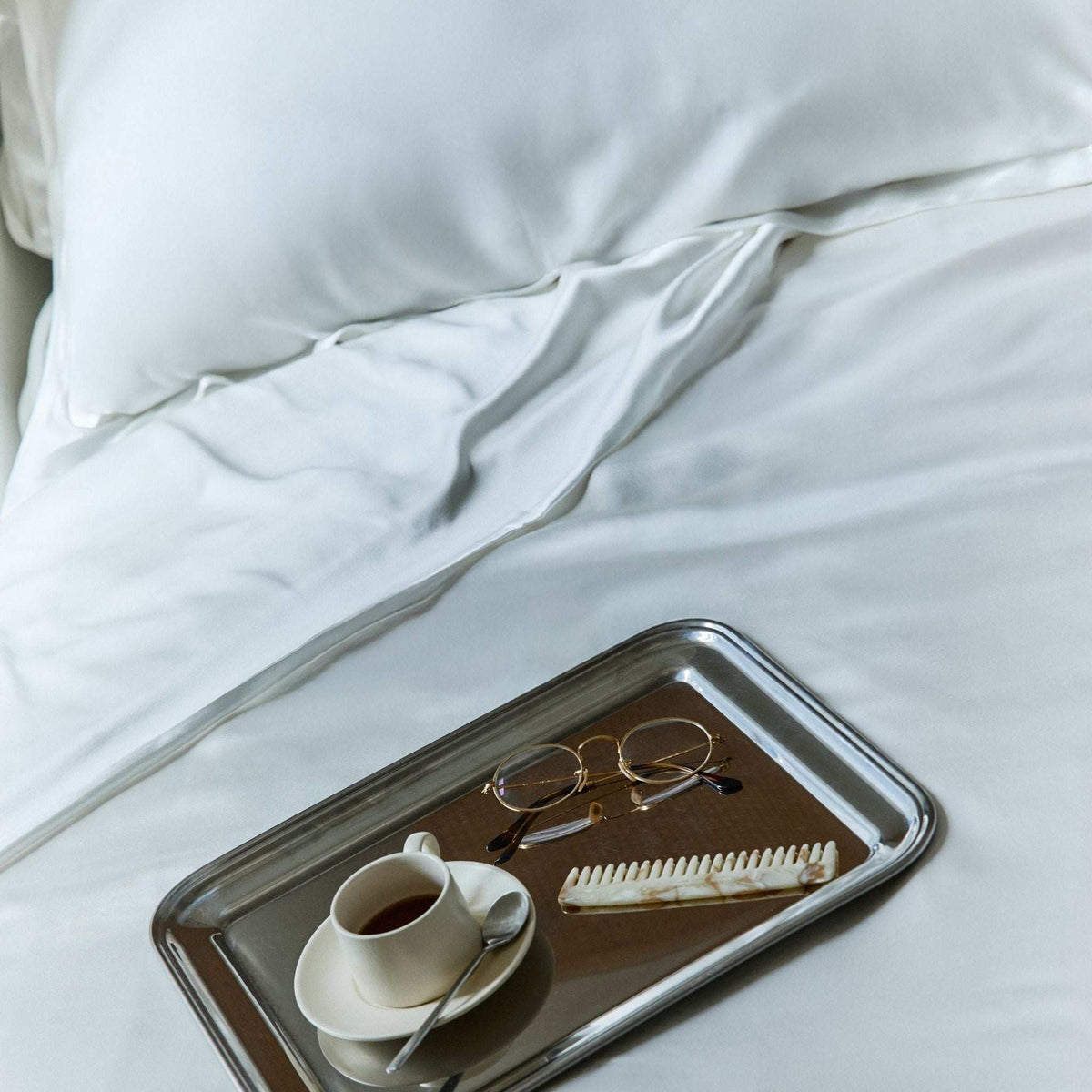



Natural Silk vs Viscose in Bedding: Sleep Benefits, Breathability, and Luxury Silk Bedding
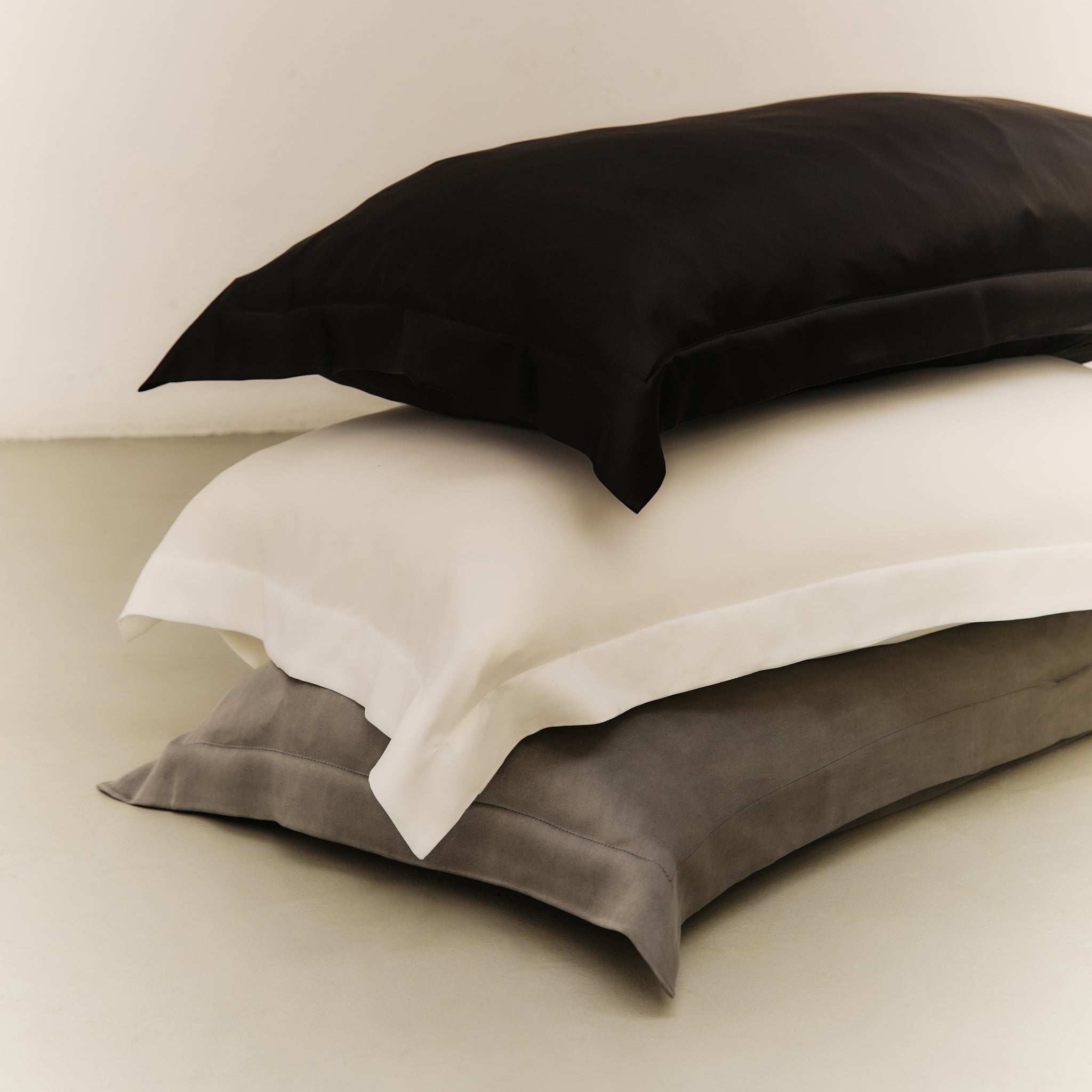
Before choosing silk sheets, Mulberry silk pillowcases, natural silk duvets, or other luxury bedding, products, understanding the differences between natural silk and viscose is essential. Although both materials may appear similar in softness and shine, choosing breathability bedding and temperature-regulating bedding can directly influence sleep quality and overall night comfort.
Materials like natural silk and viscose are often grouped together for their softness and luster, but they exhibit profound differences in terms of technical, functional, and regulatory aspects.
Understanding the real differences between natural silk and viscose for bedding is essential for choosing premium bedding, breathable sleep fabrics designed to improve comfort and sleep quality.
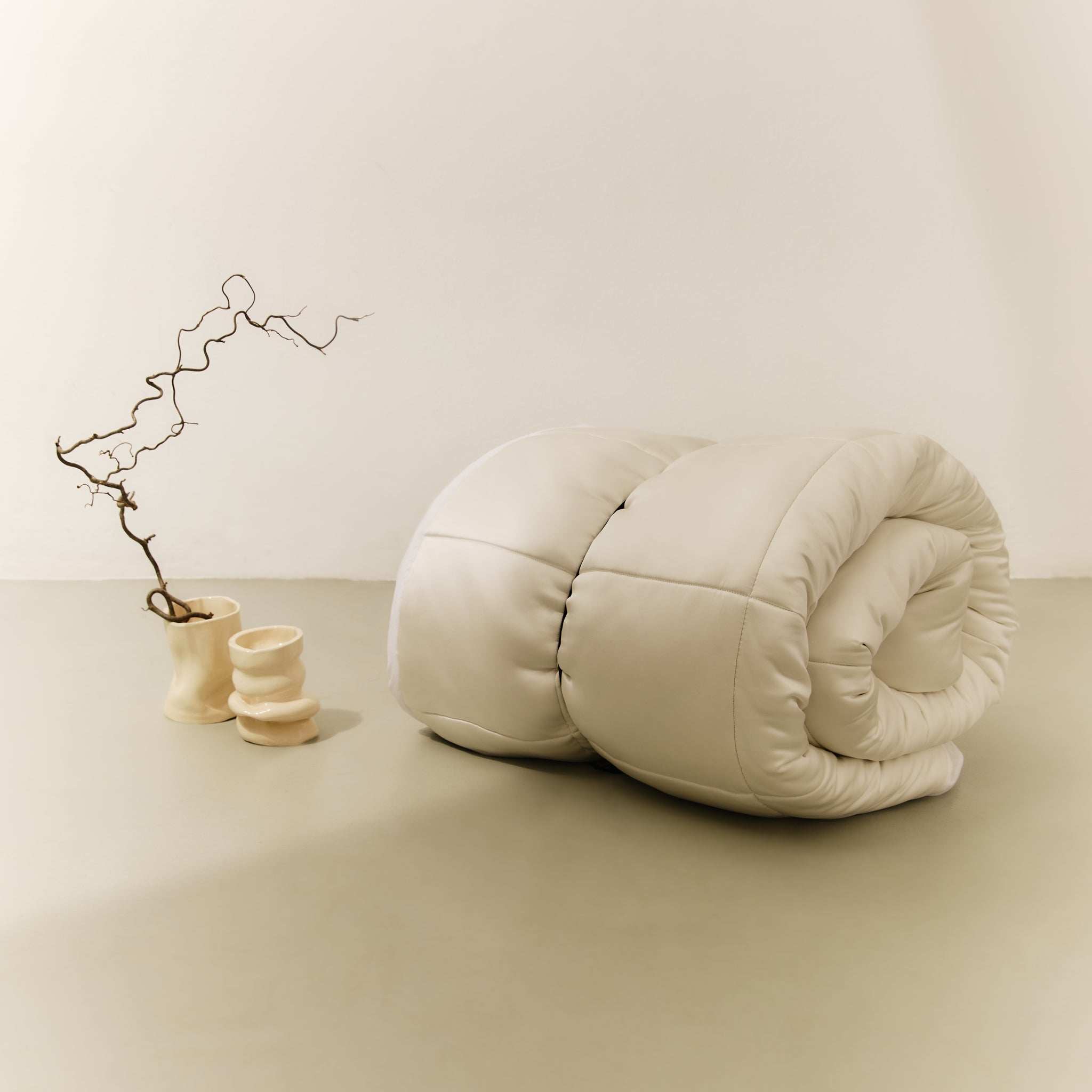
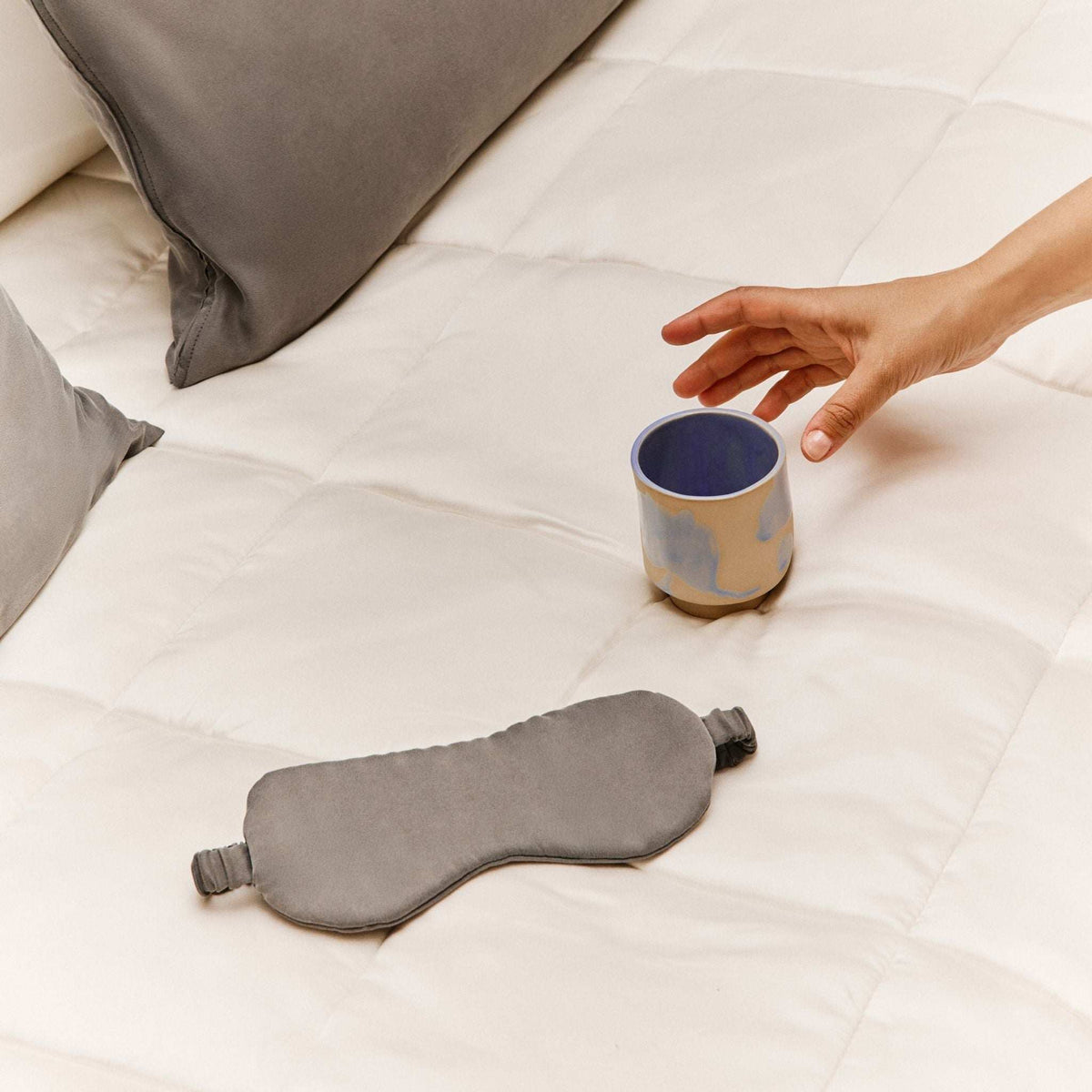
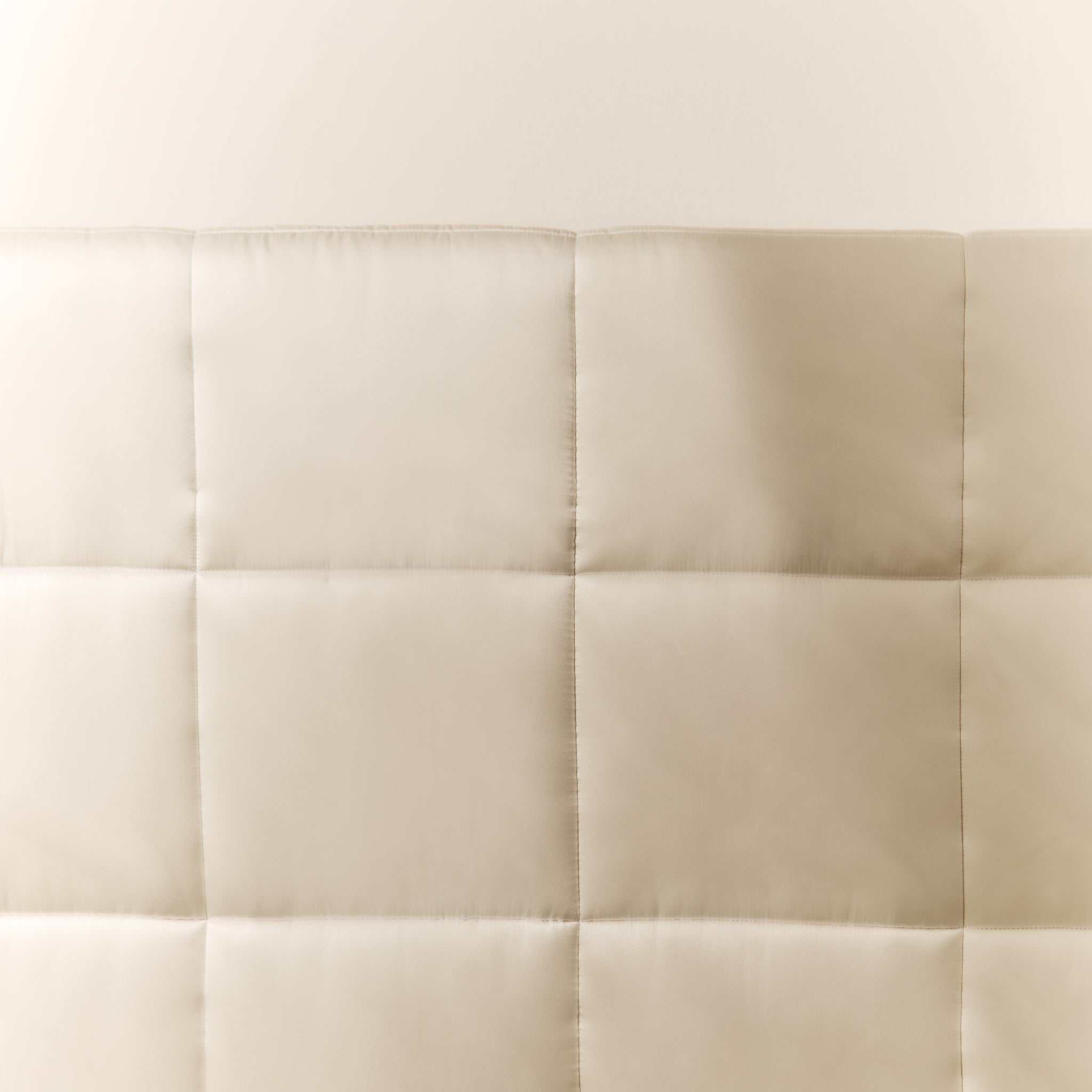
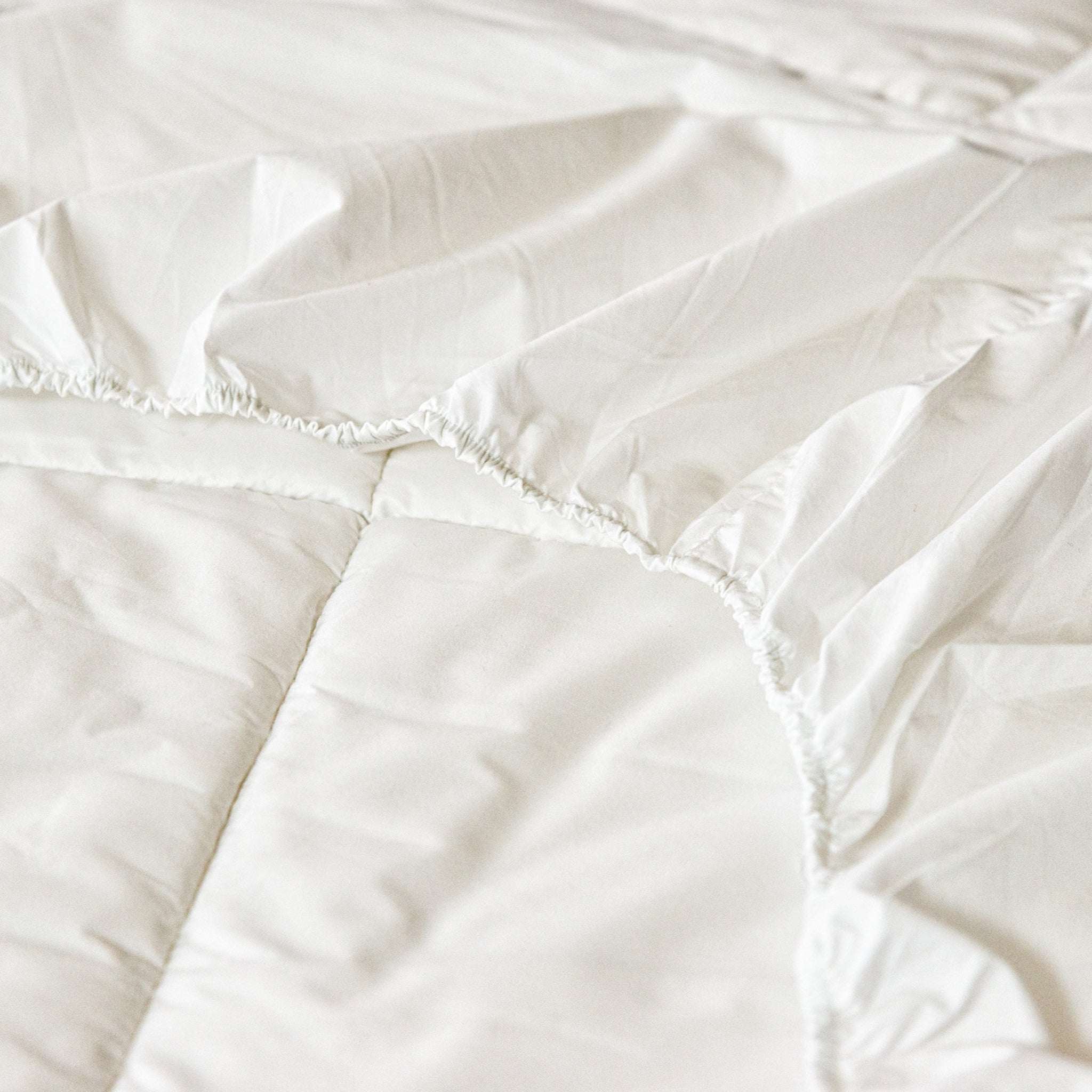
Silk sheets, mulberry silk pillowcases, natural silk duvets, silk comforters, silk bed sheets and silk-filled mattress toppers offer profoundly different characteristics in luxury bedding products, compared to viscose fabrics and synthetic fillings. The main differences relate to temperature-regulating bedding, thermal comfort, breathability, heat quality, and skin well-being during sleep.
Differences between Natural Silk and Viscose: Characteristics, Comfort, and Sleep Quality
The bedding fabric and filling we sleep on significantly influence the bed's microclimate, the sleep temperature, the moisture balance and nocturnal well-being and comfort. Natural silk fiber and artificial viscose fiber, despite a widespread perception of similarity created by commercial and marketing policies, are not equivalent materials.
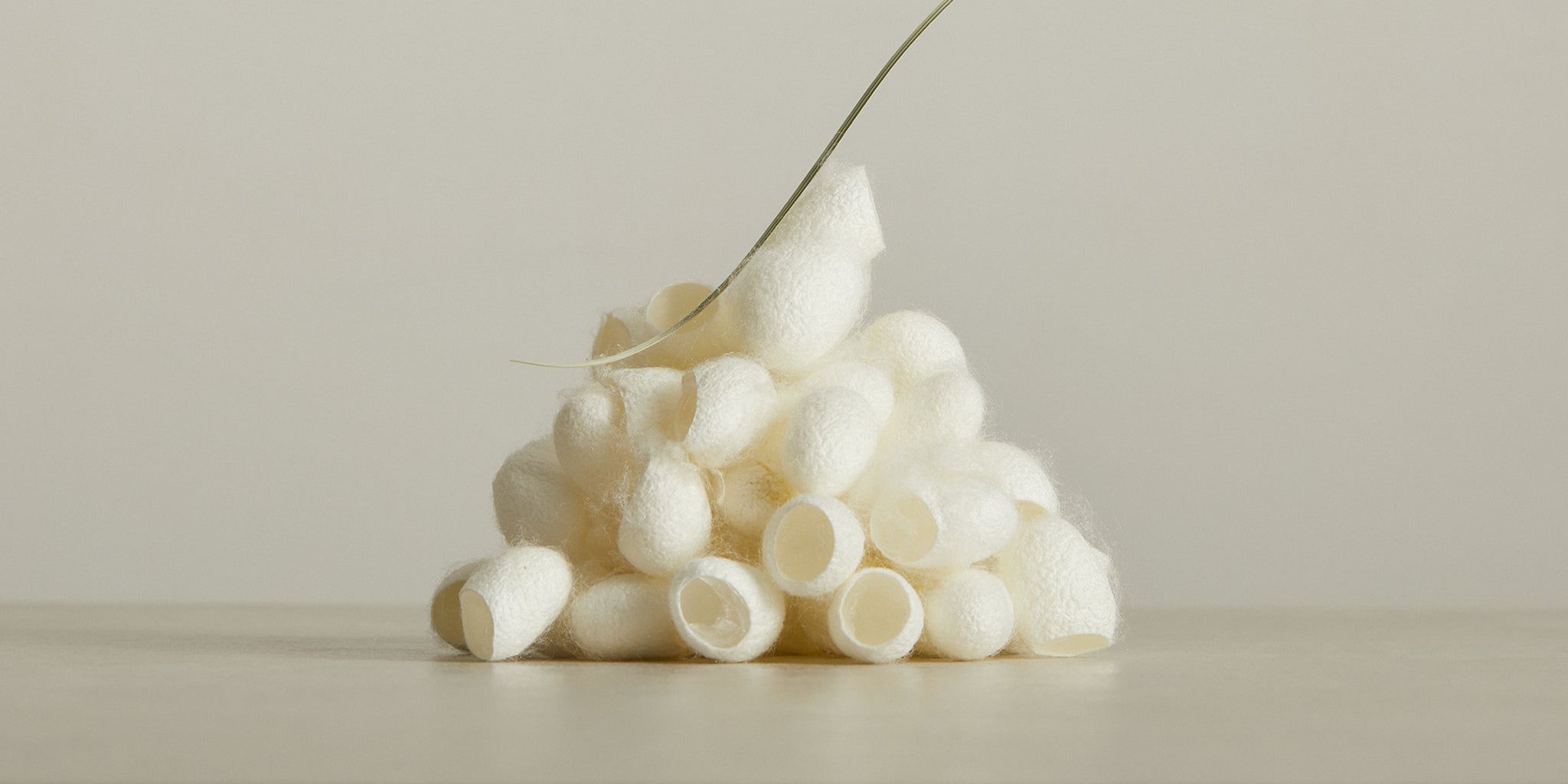
Silk is a natural protein fiber of animal origin produced by the silkworm. Viscose is an artificial fiber obtained through chemical processes of cellulose transformation.
Silk and Viscose: Production, Technical, and Environmental Differences
Comparing natural silk and viscose means comparing two very different bedding materials, sleep fabrics and sleep products with different effects on comfort, breathability, and long-term sleep performance.. Their production process, fiber structure, enviromental protection and long-term sleep performance directly influence comfort and sleep quality..
The main differences concern:
- origin of the textile fiber
- production process,
- raw materials used
- molecular structure
- thermoregulating properties
- durability
- environmental sustainability
- comfort during sleep
The differences between natural silk and viscose become particularly evident with the daily use of silk bed sheets, Mulberry silk pillowcases, natural silk duvets, and pillows or bedding sets intended for prolonged contact with skin and hair.
A transparent technical analysis of the differences between silk and viscose in bedding allows for:
- informing the consumer,
- protecting real freedom of choice,
- creating an ethical system that values quality fibers based on their real characteristics
- ensuring transparency throughout the textile supply chain.
Application Experience in the Fiber and Bedding Sector
More than 120 years of textile experience and innovation developed by Cosetex and the craftsmanship of T.SILK COLLECTION in luxury bedding provide practical expertise in understanding how natural fibers behave in real sleep environments. it is possible to concretely observe the differences between silk and viscose in bedding that emerge in daily rest.
Mulberry silk used in premium bedding and luxury silk bedding collection is appreciated for maintaining performance and comfort over time. Benefits of Mulberry silk in bedding include:
- Thermal comfort
- Natural breathability
- Softness amd shining
- Moisture balance
- Cooling comfort
- Skin comfort
- Sustainability and environmental protection
- Dimensional stability
- Aesthetic quality
- Functional technical and mechanical characteristics
Viscose initially offers a soft and shiny feel, but it tends to lose aesthetic and functional performance more quickly with prolonged skin contact, after repeated washing, and continuous use.
In applications such as fibers, yarns, fabrics, fillings, and bedding, silk maintains dimensional stability, comfort, sustainability, and aesthetic appeal longer.
Viscose is characterized by softness and luster, with a very rapid functional decline, especially in conditions of irregular humidity and temperature, with mechanical stress from friction typical of nocturnal use.
Natural, Artificial, and Synthetic Textile Fibers: Differences and Characteristics

The classification of textile fibers is important for understanding the behavior, comfort, performance, and durability of materials used in sleep fabrics and bedding. Understanding textile fiber classification helps explain why bedding fabrics behave differently in terms of softness, breathability, durability, and sleep comfort.
Natural Fibers
Fibers of animal or vegetable origin such as silk, cotton, linen, and wool.
Artificial Fibers
Fibers obtained through chemical transformation of natural raw materials, such as viscose, rayon, and modal.
Synthetic Fibers
Fibers derived from petrochemicals such as polyester, nylon, and acrylic.
Silk is a natural protein fiber of animal origin
Viscose is an artificial chemical fiber
Silk and Textile Fibers according to EU Regulation 1007/2011
The regulatory definition of textile fibers is governed by Regulation (EU) No 1007/2011 of 27 September 2011 on textile fiber names and related labeling and marking of the fiber composition of textile products.
Silk according to Regulation (EU) No 1007/2011

Silk is a natural textile fiber of animal origin, produced by the silkworm (Annex 1 to Article 5 – number 4). The types of silkworms that produce silk are different. The most common and widely used is Bombyx mori, which produces mulberry silk.
Chemical analysis of the silk fiber highlights the presence of two natural proteins: sericin and fibroin.
These natural proteins contribute to silk's unique characteristics:
- high breathability
- softness
- thermoregulating properties
- reduced friction on skin and hair.
According to Regulation (EU) No 1007/2011, the term "silk" can only be used to identify this specific natural protein fiber.
What is Viscose and Why Can't We Call It Silk
Viscose is an artificial chemical fiber listed in Table 2 of Annex 1 of Regulation (EU) No 1007/2011 under point 24 "regenerated cellulose fiber obtained by the viscose process for continuous filament and staple fiber."
Viscose is mainly derived from natural cellulose or other proteins or natural elements. It undergoes a chemical process that profoundly modifies its original structure to the point where it becomes difficult to find even limited percentages of natural elements from the raw materials.
Legislative Differences Between Silk and Viscose
In Chapter 2 – Article 5 – Designation of textile fibers, it is explicitly stated: "The use of the designation ‘silk’ to indicate the particular form or presentation of continuous-filament textile fibers shall be prohibited."
Based on the differing legislative provisions:
- viscose is not a natural fiber
- viscose cannot be labeled or considered silk
- the term "artificial silk" has no technical or regulatory value
These normative and technical differences contribute to defining two textile categories with different characteristics, performances, and market positioning. Two fibers that, in bedding, cater to two distinctly differentiated markets and targets.
Silk and Viscose Bedding: Differences in Comfort, Breathability, and Durability
Silk and viscose are two completely different fibers. This is true from a legislative point of view and a functional point of view. The differences between silk and viscose in bedding are clearly evident in a specialized sector related to performance, comfort, and direct and continuous contact with the human body. Natural silk bedding offers unique properties in terms of comfort, breathability, and sleep quality thanks to the particular structure of the protein fiber.

Silk Bedding and Epidermal Comfort
Natural silk is widely appreciated in luxury bedding because many consumers chose silk pillowcases for hair, silk pillowcases for skin, and the best bedding for sensitive skin and overnight skin comfort.
- smooth and uniform surface
- reduced friction on skin and hair
- minimal mechanical stress during sleep
- natural well-being for sensitive skin and brittle hair
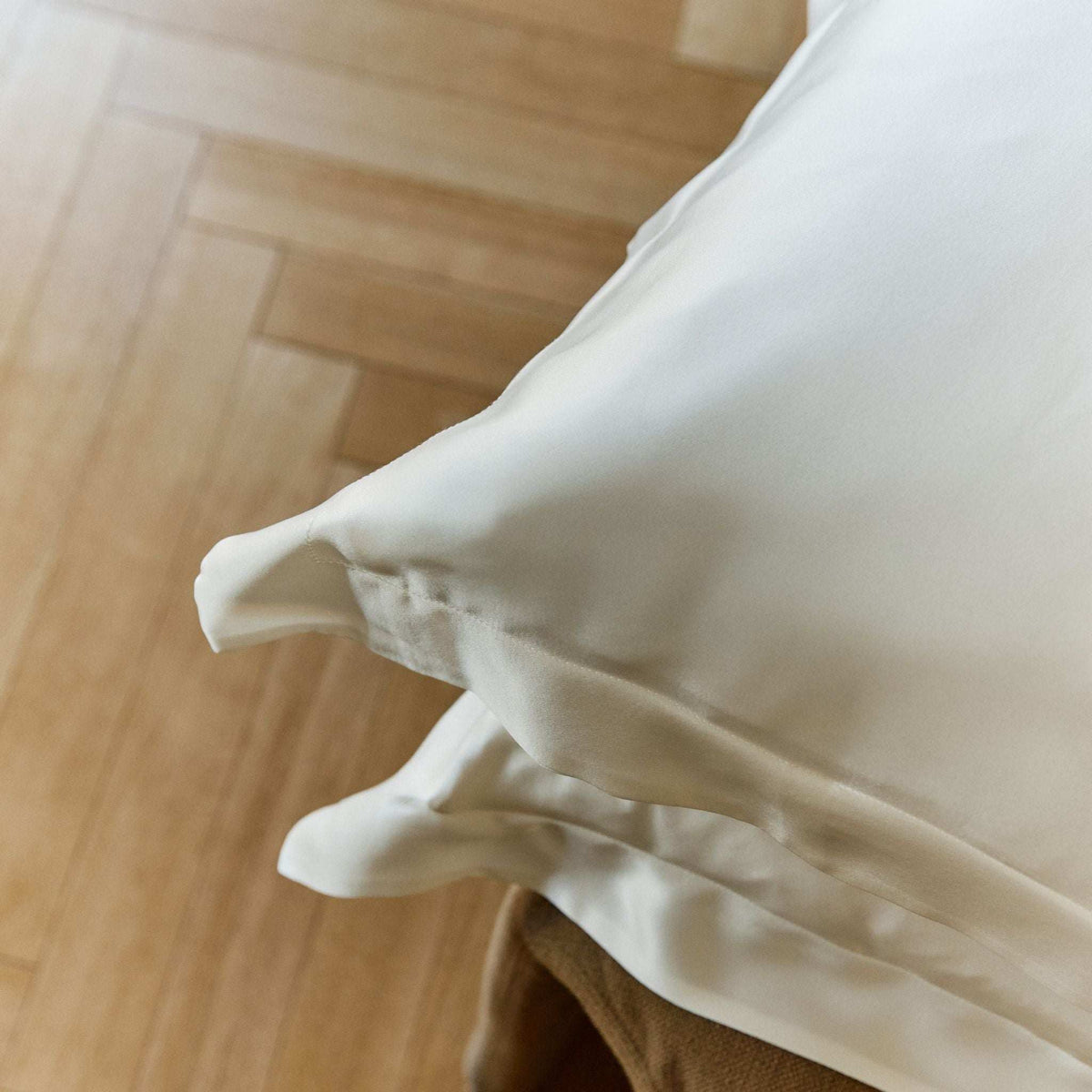
A set of silk sheet offers the delicate touch of a naturally hypoallergenic natural silk fiber highly appreciated in luxury bedding, capable of preventing the proliferation of dust mites, molds, and bacteria.
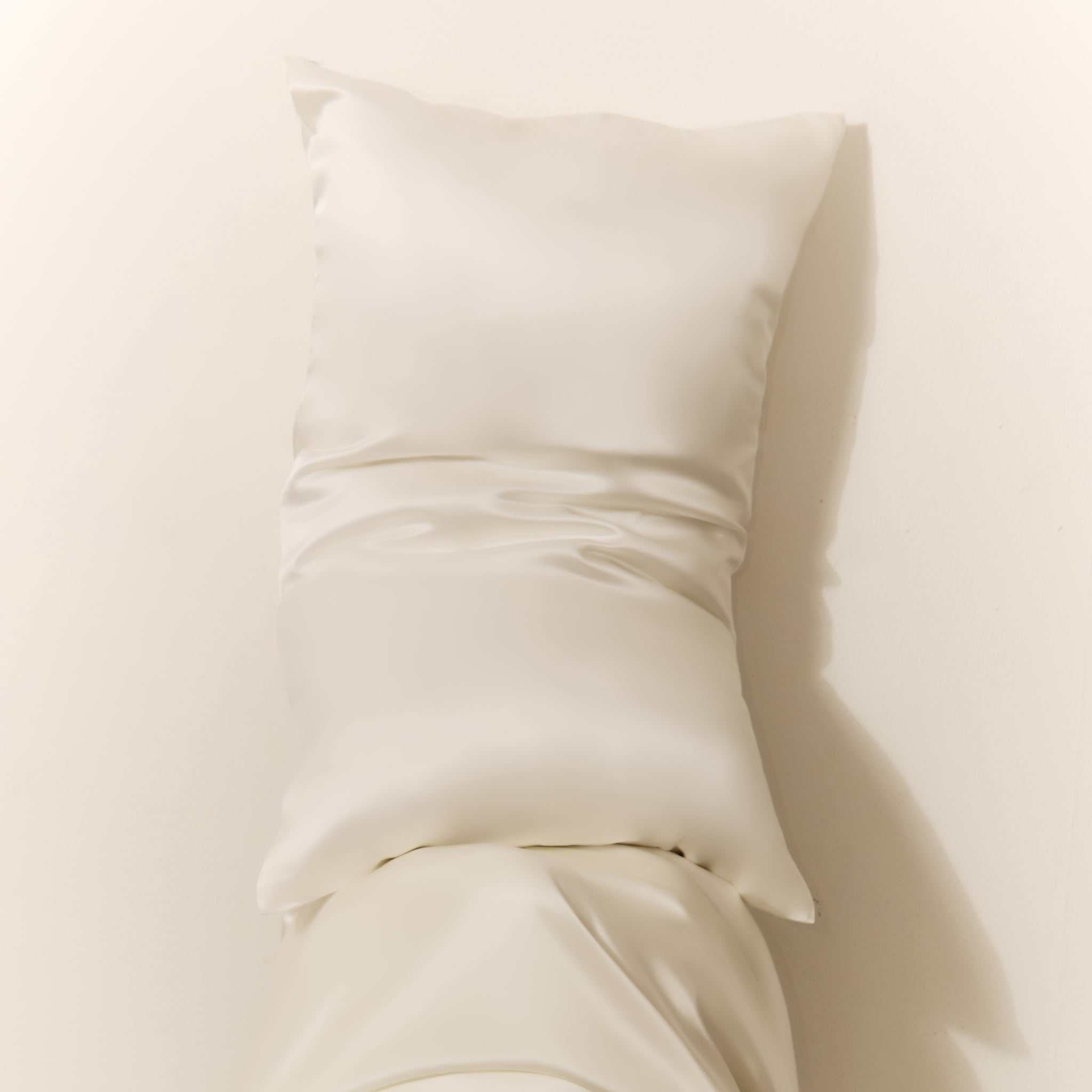
Mulberry silk pillowcases are often selected as anti-frizz pillowcases and among the best pillowcases for hair because they may help reduce overnight friction and hair stress.
Silk bedding and the silk duvet limit bad odors
Natural Silk: Thermoregulation and Moisture Management in Bedding
Natural silk is frequently considered among the best bedding fabrics for hot sleepers, because of its natural temperature regulation, moisture balance, breathable cooling comfort, and ability to act as cooling bed sheets.
- natural thermoregulation
- stable body temperature
- perspiration
- absorbs and releases moisture in a balanced way
- prevents the feeling of wetness or cold during the night
Natural silk is appreciated in both summer and winter due to its ability to adapt to body temperature.
A silk-filled pillow with pure natural silk filling can support sleep comfort while helping maintain comfort for skin, hair, and neck alignment.
Viscose in Bedding: Disadvantages and Limitations
Absorption and Thermal Comfort
In bedding, viscose and silk show different behaviors, especially in moisture management and performance stability over time.
Viscose bedding may initially feel soft and smooth, but long-term bedding performance and sleep comfort durability can differ from natural silk bedding.
Viscose bedding and viscose fabric, despite having a high degree of moisture absorption, due to the chemical treatments it undergoes, loses the natural components of the raw materials, resulting in a poor ability to release moisture to the outside. This causes:
- poor thermoregulation
- accumulation of water vapor
- possible conditions for the proliferation of dust mites, molds, and bacteria
- conditions for the development of bad odors
- reduced nocturnal comfort.
Mechanical Stability and Durability
From the point of view of mechanical resistance and durability, silk and viscose show considerable differences. Viscose exhibits over time:
- loss of wet strength
- tendency to deformation and wear
- shorter service life
- change in softness and luminosity.
Technical Comparison Table: Silk Bedding vs. Viscose
| Technical Parameter | Silk Bedding | Viscose Bedding |
| Fiber Classification | Natural, protein | Artificial, cellulosic |
| Regulatory Reference | Reg. EU 1007/2011 | Reg. EU 1007/2011 |
| Origin | Animal | Regenerated cellulose |
| Molecular Structure | Ordered proteins | Chemically modified |
| Fiber Surface | Smooth and uniform | Less regular |
| Friction Coefficient | Very low | Low but irregular |
| Thermoregulation | Excellent | Limited |
| Thermal Comfort | High | Variable |
| Breathability | Excellent | Medium |
| Microclimate Management | Excellent | Limited |
| Moisture Management | Excellent | With accumulation |
| Wet Strength | Excellent | Low |
| Dimensional Stability | High | Reduced |
| Durability | High | Medium-low |
| Hypoallergenicity | Natural | Not intrinsic |
| Positioning | High-end | Mid-range |
Differences Between Silk and Viscose in Bedding: Final Assessment
The attempt, soon after its discovery, to equate viscose with silk, culminating in the use of the term “artificial silk,” did not achieve successful legislative and commercial recognition, until the prohibition of using the word silk for viscose. The ongoing attempt to portray viscose as a natural fiber, a substitute for silk, with functional and sustainable characteristics, clashes with technical, chemical, and structural incompatibilities.
Natural silk and viscose have profoundly different technical, structural, and functional characteristics, especially in applications dedicated to premium bedding.
From an experiential, technical, and regulatory standpoint, silk and viscose are not comparable materials, and the differences between silk and viscose in bedding are truly numerous and substantial:
- Natural silk bedding and premium bed linen products are frequently selected by consumers looking for luxury sleep products, breathable bed sheets, hotel-quality bedding and long-term sleep comfort. A 360-degree sensory experience
- Viscose bedding is a more accessible alternative only in terms of price, but it has structural and functional limitations that reduce overall performance in continuous applications such as in a bed system.

Why silk is chosen in luxury bedding and premium bed linen
Within luxury bedding, natural silk is often selected by consumers searching for hotel quality bedding, luxury silk bedding, premium bedding collection, breathable bed sheets, and premium sleep products.
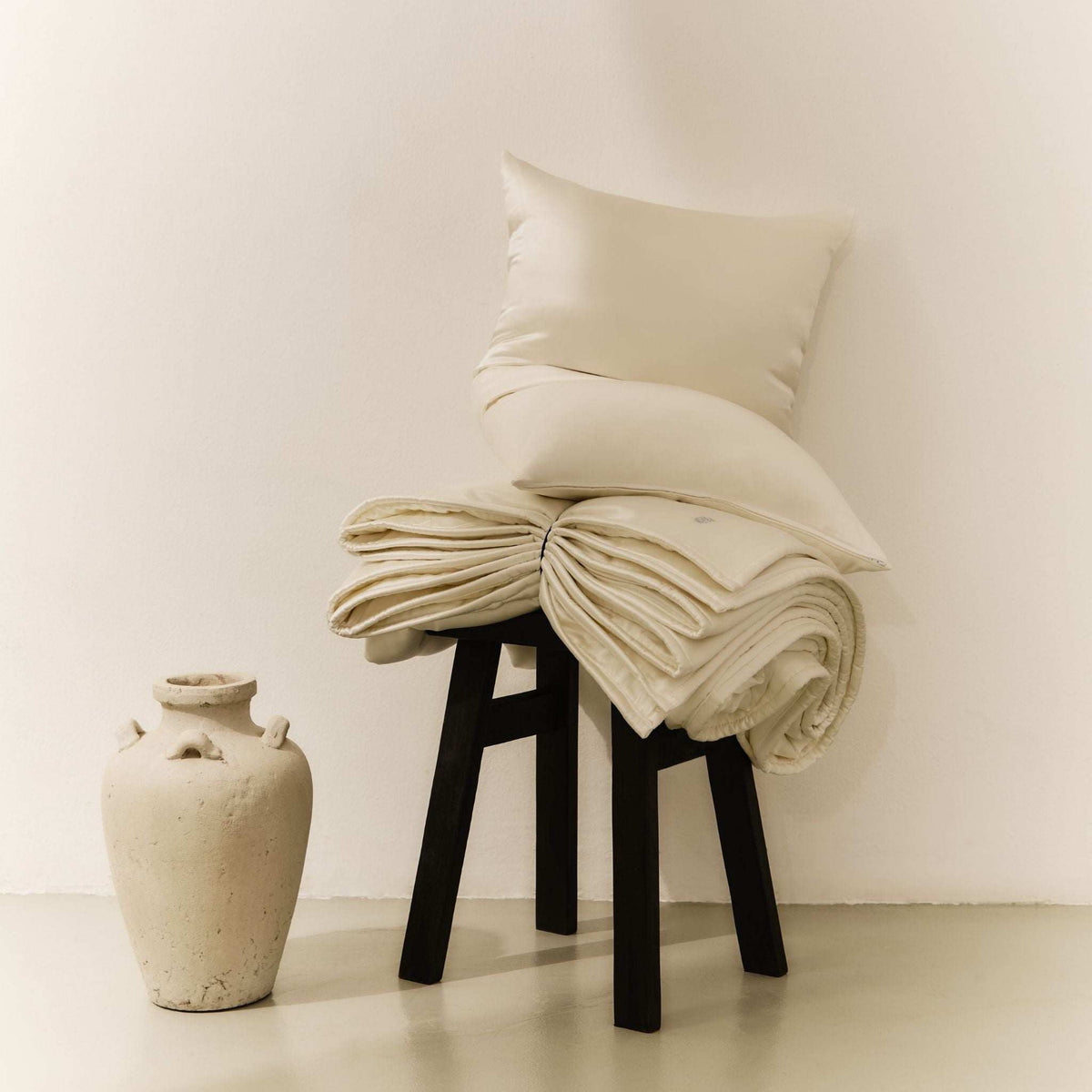
Mulberry silk pillowcases, and silk duvets are commonly selected as premium bed linen products designed for sleep comfort and long-term use.
Frequently Asked Questions about Silk and Viscose
Is viscose silk?
No. Viscose is not natural silk. It is an artificial fiber obtained through chemical processes involving the radical transformation of cellulose. Silk, on the other hand, is a natural protein fiber produced by the silkworm.
Is viscose natural or synthetic?
Viscose is classified as an artificial fiber. Viscose fabric is derived from natural raw materials such as cellulose, but the fiber is transformed through industrial chemical processes that completely alter its original structure.
What is the main difference between silk and viscose?
Natural silk is a natural protein fiber produced by the silkworm, while viscose is an artificial fiber obtained from cellulose.
The differences mainly concern breathability, thermoregulation, durability, skin comfort, and moisture behavior during sleep.
Does silk make you sweat?
No. Natural silk is a highly breathable and thermoregulating fiber. It helps maintain a stable body temperature during sleep and helps limit feelings of hot and cold dampness during the night.
Is silk suitable for sensitive skin?
Yes. The smooth surface of silk reduces friction on the skin and is particularly appreciated by those seeking comfort, delicacy, and well-being during sleep.
Are silk pillowcases good for hair?
Silk pillowcases reduce nightly friction on hair and scalp. Used regularly, they can help limit frizz, tangles, and mechanical stress on hair.
What are the best fabrics for sleeping?
It depends on personal needs and desired comfort level. Natural silk is considered one of the best fabrics for sleeping due to its breathability, thermal comfort, and softness, among the most performing fibers for bedding thanks to:
- breathability
- thermal comfort
- softness
- skin well-being
Is viscose breathable?
Viscose absorbs moisture, but it has lower thermoregulatory capabilities than natural silk and tends to release water vapor more slowly.
Is silk also suitable in summer?
Yes. Natural silk is a thermoregulating and breathable fiber that helps maintain comfort in both summer and winter months. Its smooth, lightweight, and soft structure makes it cooling in warmer seasons.
Is silk hypoallergenic?
Yes. Natural silk is appreciated for its delicate properties and its reduced tendency to promote the accumulation of dust and moisture, which are triggers for allergies and respiratory problems.